Last updated November 21, 2026
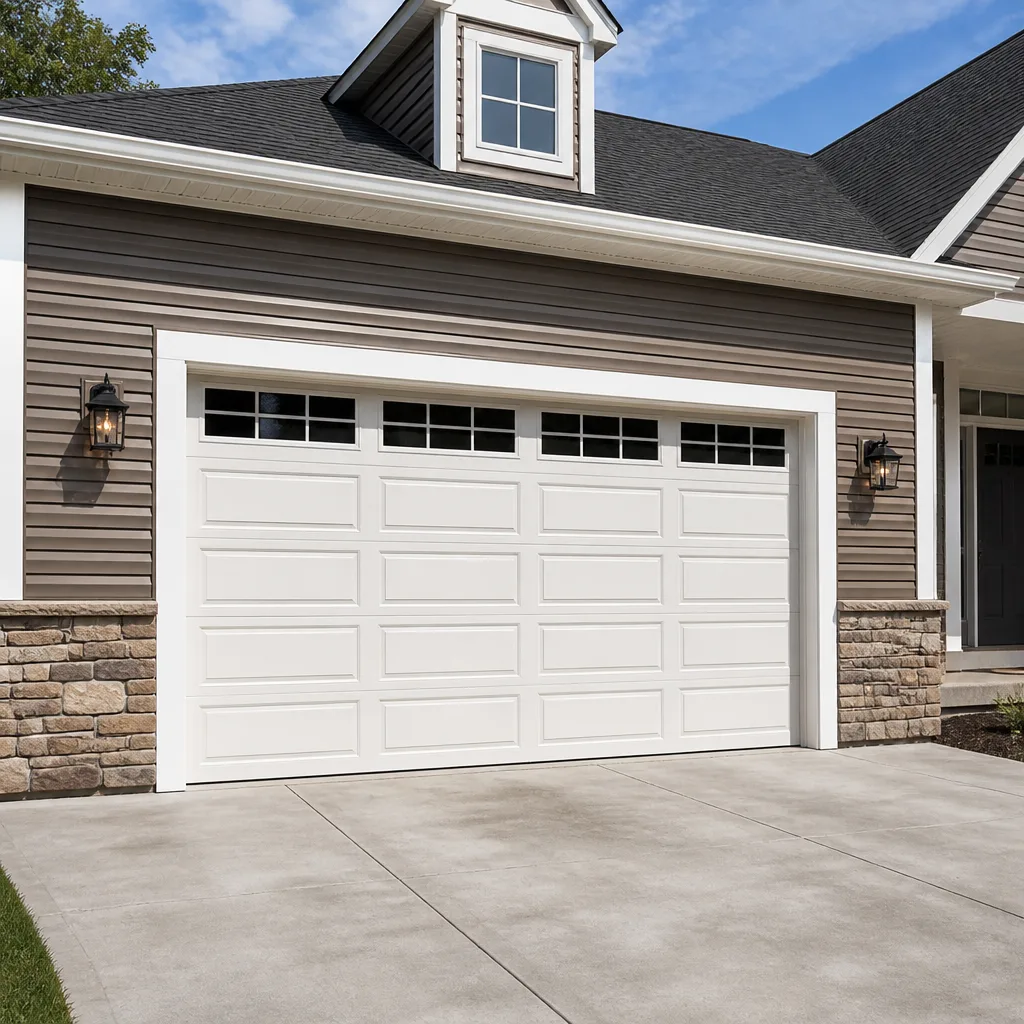 Raised-panel steel
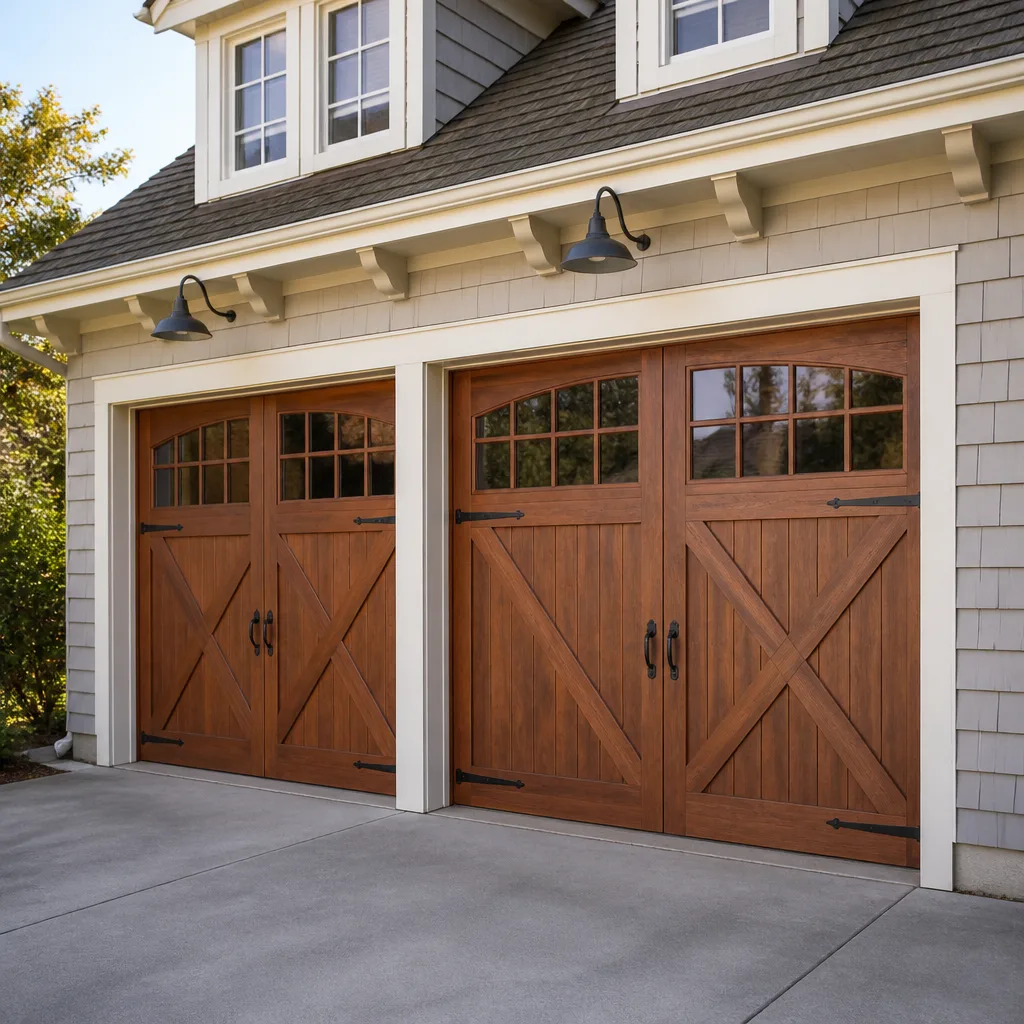 Carriage house
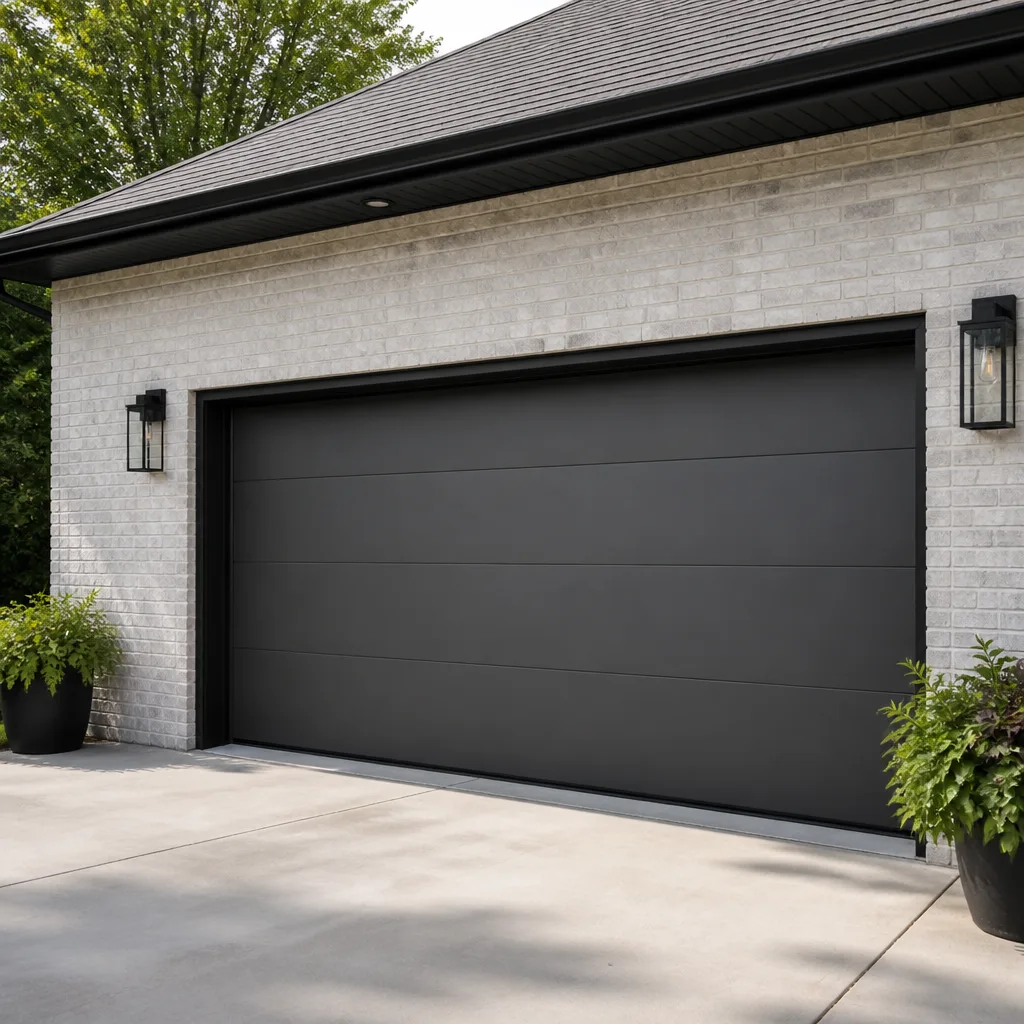 Modern flush
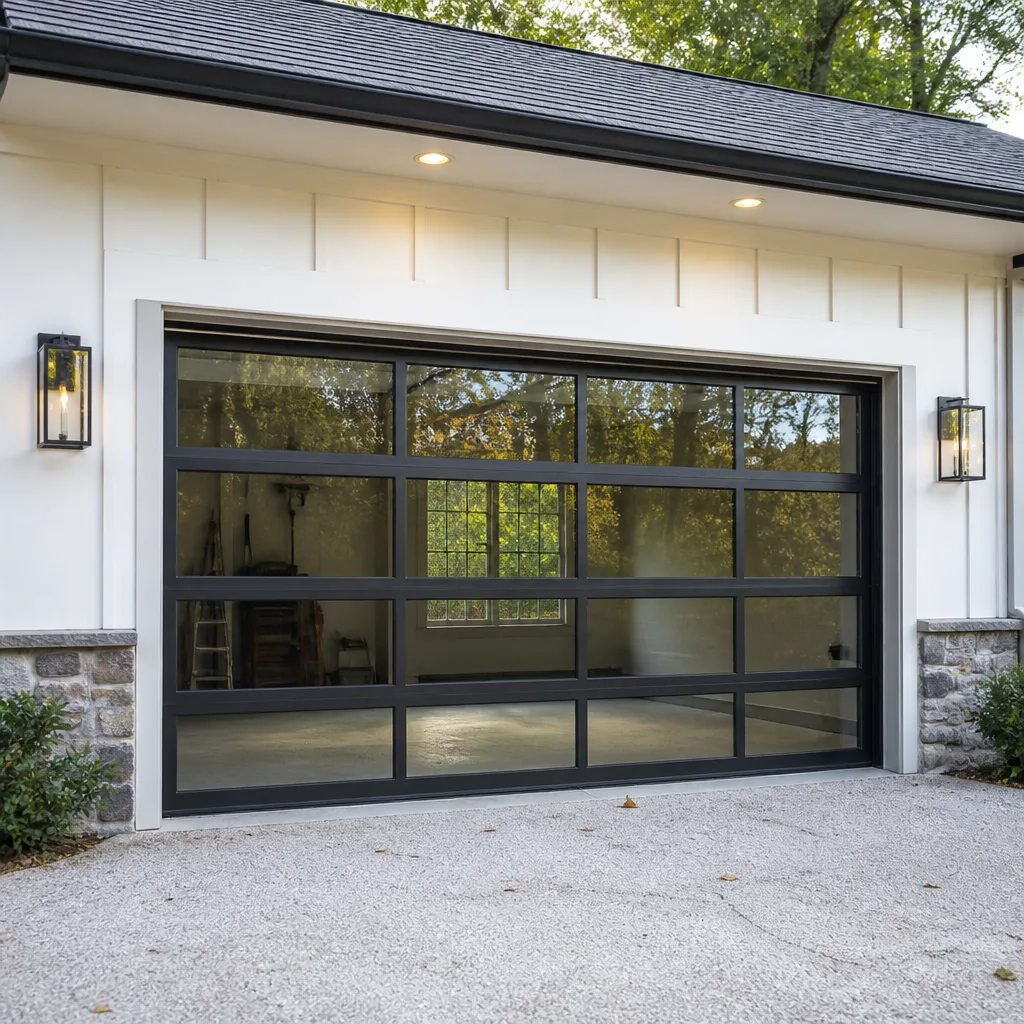 Full-view glass
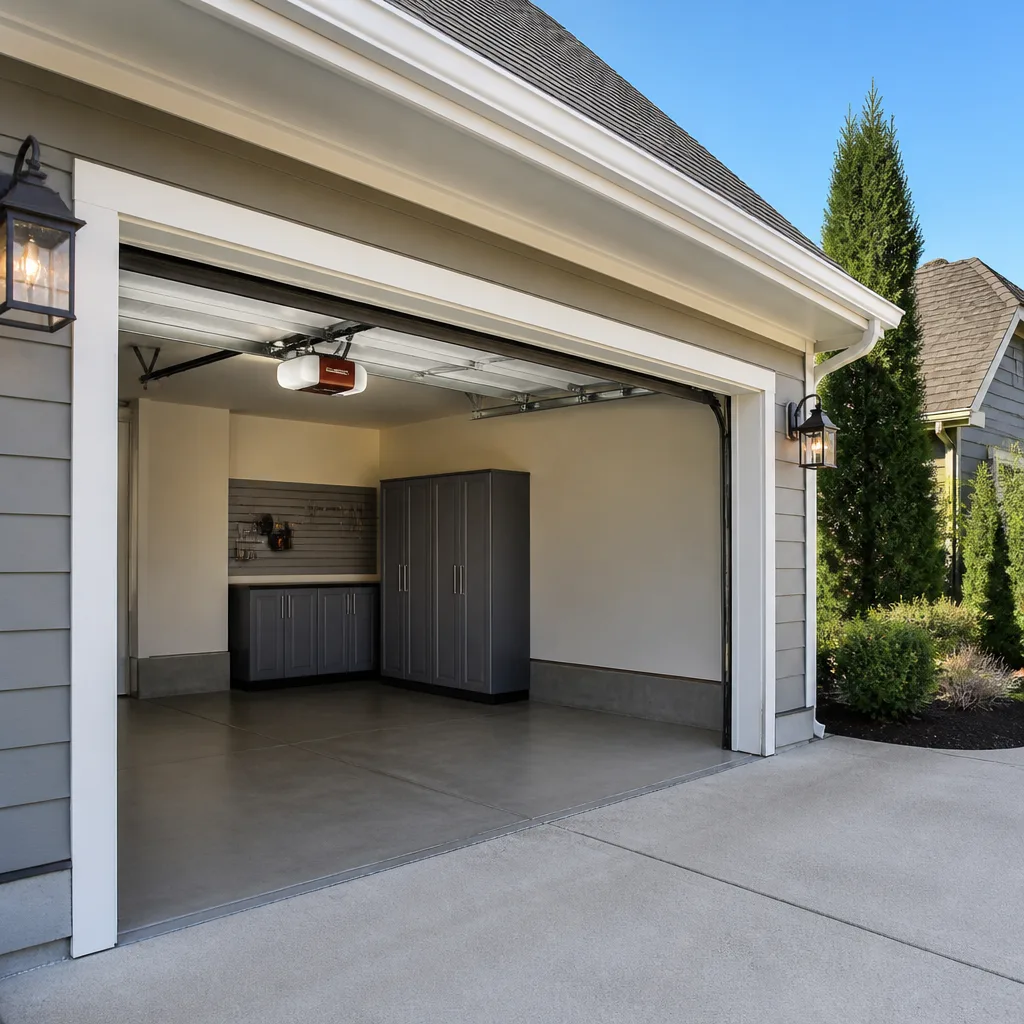 LiftMaster openers
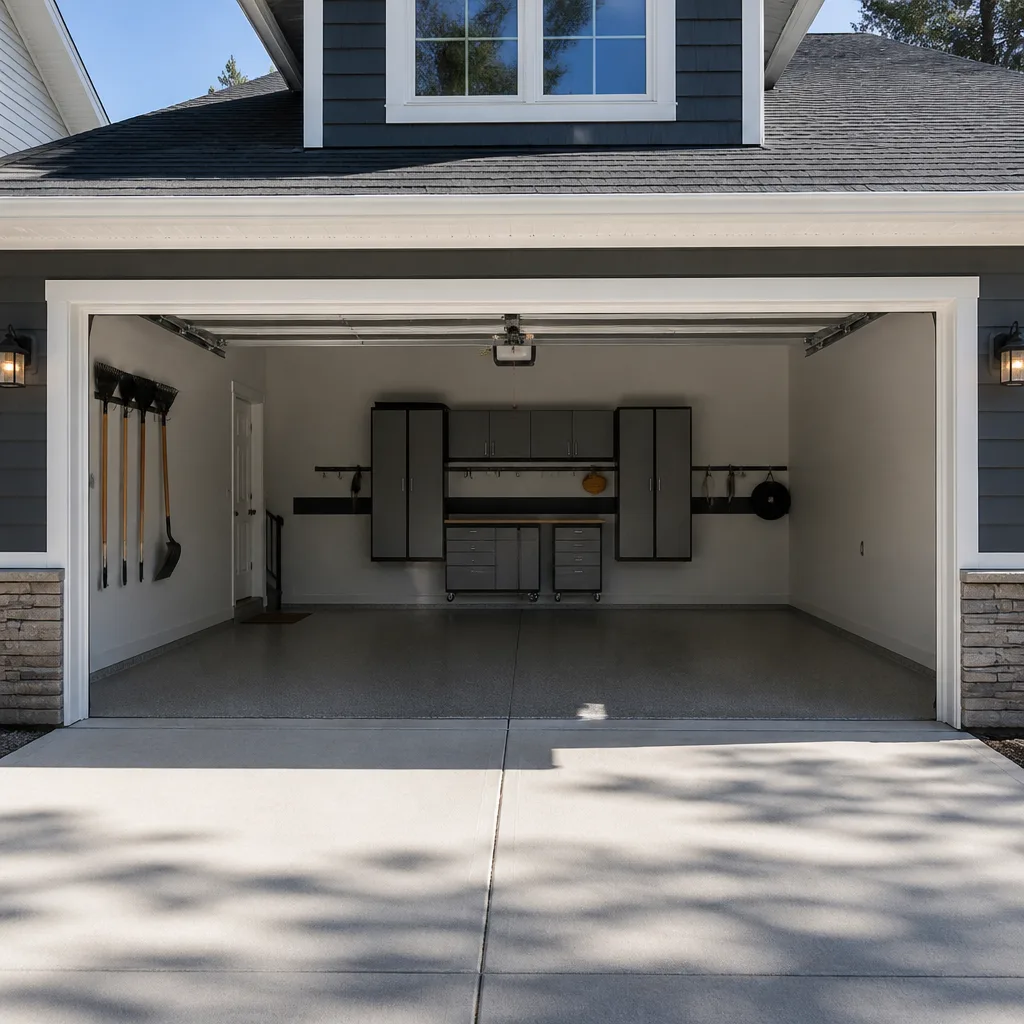 Chamberlain openers
Full 25-point door and opener safety check with every visit - springs, cables, rollers, tracks, and your LiftMaster or Chamberlain opener included
You get a price before we start. It does not change when the pro arrives.
Get your free estimateHow to Hire a Garage Door Contractor in Forest Hill: A Step-by-Step Guide
A contractor who quotes a torsion spring job without asking how many springs your door has – one or two – doesn’t know what they’re pricing. That single question tells you more than any glossy ad or five-star badge. Garage doors look simple from the driveway, but the hardware behind them is a system of tensioned steel, counterbalance math, and structural anchoring, and the person in front of you either knows that system or doesn’t. Most homeowners in Forest Hill hire a garage door contractor once or twice in a decade, which means every decision carries weight and there’s no room to learn by trial. This guide gives you the exact questions to ask, how to read a written estimate, and the red flags that show up before anyone touches your door.
Quick Answer
To hire a garage door contractor in Forest Hill, confirm three things before you book: the company specializes in garage doors rather than general handyman work, they ask about your specific hardware (spring type, door weight, opener brand) before quoting, and they give you a written estimate with parts, labor, and warranty terms broken out separately. The price should be agreed before any work starts. Speed matters on repairs, but a measured, ordered installation is a scheduled job, not a same-day one.
Styles & brands we work with
- Raised-panel steel
- Carriage house
- Modern flush
- Full-view glass
- LiftMaster openers
- Chamberlain openers
Table of Contents
- Why a Specialist Beats a Generalist (and a Big-Box Installer)
- The Screening Questions That Separate Experience From Guesswork
- How to Read a Written Garage Door Estimate
- New Jersey Licensing and Why a Certificate of Insurance Matters
- Red Flags You’ll See Before the Work Starts
- What a Professional Hire Process Looks Like, Step by Step
- What Garage Door Work Typically Costs in Forest Hill
- Common Mistakes to Avoid
Why a Specialist Beats a Generalist (and a Big-Box Installer)
There are three kinds of people who will offer to fix your garage door, and they are not interchangeable. Knowing which one you’re talking to changes how the job goes, how long it lasts, and what happens if something’s wrong six months later.
A dedicated garage door company does one trade. Every technician works on doors and openers all day, every day, which means pattern recognition. When a door reverses for no clear reason, a specialist has seen that failure mode before and can trace it to a misaligned safety sensor, a binding track, or a logic board issue in a LiftMaster or Chamberlain unit within minutes. Depth comes from repetition on the same equipment.
A general handyman is often skilled and often honest. But garage door work is a small slice of a much wider trade. The handyman may have replaced a few springs, but high-tension torsion work requires specific tools and a safety discipline that only comes from doing it constantly. The failure mode here is quiet: the door works for a while, then a cable slips or a drum winds unevenly and you’re back where you started, minus the money.
A big-box installer sells doors as a retail product. The install crew is often contracted, and when the door goes out of adjustment weeks later, you’re dealing with a store’s service line, not the person who hung the door. The opener programming, spring tensioning, and track alignment are the parts that get rushed.
In Forest Hill, where so many homes were built with a garage door as the primary daily entry, the door gets cycled more times per year than in a house where people park in the driveway. That wear adds up, and it rewards a specialist who knows the exact hardware on your wall. The best starting point is to look at who focuses on the trade full time and who is fitting it in between other jobs.
The Screening Questions That Separate Experience From Guesswork
You don’t need to know the answers. You need to hear how the person on the phone handles the questions. A real specialist answers without hesitation. A guesser deflects, generalizes, or quotes a number before asking anything.
- “Which brands do you work on?” A serious company names them. We work on LiftMaster, Chamberlain, Genie, Clopay, Amarr, Wayne Dalton, Craftsman, and Raynor. If the answer is “anything,” ask for the last three brands they serviced this week.
- “How many springs does my door have?” If they ask you instead of telling you, that’s normal for a phone call. But a specialist knows a torsion door typically has one or two, and a matched pair is usually replaced together. If they quote a single spring price without asking, they’re guessing.
- “Is it torsion or extension?” Extension springs run along the sides and stretch. Torsion springs sit above the door on a shaft and twist. The two systems have different failure points and different prices, and the answer affects how the work is scoped.
- “What opener brand do I have, and do you work on it?” If the company works on LiftMaster, Chamberlain, Genie, and Craftsman openers, they’ve seen your model or its close cousin. Smart and connected openers are a newer wrinkle, so ask specifically whether they service traditional and connected units.
- “Do you handle full installs, or only repairs?” A single company that carries a snapped cable job through to a full new door means no handoff mid-project. Ask, because plenty of repair-only shops will refer you out.
- “What’s your emergency availability?” If a door is stuck open and the house isn’t secure, this question matters most. A company that genuinely offers emergency garage door service will tell you how it works. A company that doesn’t will say “we’ll get you in next week.”
Notice none of these questions is about price. That comes after, once you know you’re talking to the right kind of professional. Asking about the door first also tells you whether the person on the phone has actually touched one.
How to Read a Written Garage Door Estimate
A verbal price is not an estimate. A written estimate is a document you can compare, and it should break the job into pieces so you can see where the money goes. Here’s what a clean estimate includes and how to read each part.
Parts and Labor, Separately
The parts line should name what’s being replaced: a torsion spring, a cable, a roller set, an opener unit, a track section. The labor line covers the time and skill. Some shops combine them into one number, which is fine as long as you know whether the spring itself is included or billed separately. Ask plainly: “Does this price include the parts, or is that labor only?”
Warranty Terms Per Component
Warranty is where estimates quietly differ. A spring and an opener carry different coverage, and mixing them into one blanket warranty hides the details. Ask three questions:
- How long is the warranty on the parts I’m buying?
- How long is the warranty on the labor to install them?
- What voids the warranty? (Common answers involve homeowner adjustments or a door being operated after an obvious new problem.)
What “Full Replacement” Actually Includes
If you’re getting a new door, “full replacement” is a phrase that needs unpacking. It should tell you whether the estimate covers the door panels, the track, the springs, the hardware set, the opener, and the haul-away of the old door. It should say whether any anchoring or header work is included, and whether the opener is reused or replaced. If the word “full” appears without those details, ask until the list is explicit.
The Written Price Is the Price
The written estimate is what sets the final number. Not a phone quote, not an “it depends on what we find” figure. Before any work starts, the price should be agreed, and any change discovered mid-job should be brought to you before it’s done, not after the invoice is printed. That single expectation prevents the surprise that most homeowners fear more than the cost itself.
New Jersey Licensing and Why a Certificate of Insurance Matters
New Jersey has rules around home improvement contracting, and the specifics are worth checking directly with the state rather than taking anyone’s word for it. Ask for the contractor’s credentials, verify them, and don’t accept “we’re fully licensed” as a complete answer. The exact requirements and how to look them up are maintained by the state, and a legitimate company will point you toward that process without hesitation.
The certificate of insurance matters because of what a garage door job touches. A torsion spring holds serious stored energy. The track is anchored to the framing of your house. Removing a spring or a track section means working near your home’s structure with a heavy door overhead. If something goes wrong and the person isn’t insured, the cost of the damage is a conversation between you and your own homeowner’s policy. If the person is insured, the contractor’s coverage handles the claim.
Two things to request:
- A certificate of insurance showing general liability coverage. Ask for it to be sent to you before the work starts. A company that can’t produce one is one to cross off.
- An agreed scope in writing tied to that insurance. The certificate should match the company doing the work, not a parent entity or a subcontractor who won’t be there.
This isn’t paperwork for paperwork’s sake. It’s the difference between a job that’s straightforward if something goes wrong and one that becomes your problem to sort out.
Red Flags You’ll See Before the Work Starts
The best time to spot a problem is before the truck pulls up. These signals appear early, often on the first phone call.
- A firm price over the phone with no questions asked. If the contractor quotes a spring job without knowing the spring count, they’re pricing a guess. It may be a low number designed to get a foot in the door, and it will move once they see the door.
- No written estimate. Everything should be in writing before work starts. A contractor who won’t put it in writing is telling you how the whole job will go.
- Pressure to decide today. Garage doors fail on their own timetable, not the salesperson’s. There’s no reason to sign a contract in your kitchen the same afternoon with a “today only” nudge.
- Vague warranty language. “It’s guaranteed” is not a warranty. If nobody can tell you the length of coverage on parts and on labor separately, you have no way to hold anyone to anything.
- No brand-specific knowledge. If you have a LiftMaster opener and the contractor can’t describe how the safety-reverse test works on it, keep asking around Forest Hill. Most of the homes here have openers from the big residential brands, and a professional knows them.
- A request for full payment up front on a repair. Repair work is typically paid when it’s done. A full install may involve a deposit on special-order materials, which is normal and should be spelled out in the estimate.
None of these is a reason to panic. Each is a reason to make one more call.
What a Professional Hire Process Looks Like, Step by Step
Here’s the sequence that keeps you in control from first call to final adjustment. Follow it and the odds of a bad outcome drop sharply.
- Describe the symptom, not the diagnosis. “The door comes down hard and bounces” tells a specialist far more than “I think I need a new spring.” Leave the diagnosis to the technician.
- Ask the screening questions above. Brand coverage, spring familiarity, opener expertise, emergency availability. Takes two minutes and narrows the field.
- Get the estimate in writing. Parts, labor, warranty terms, and whether the old door and hardware are hauled away. No exceptions.
- Confirm insurance. Request the certificate and check that the coverage matches the company doing the work.
- Agree on the price and the scope before work starts. Both of you should be able to say out loud what’s being done and what it costs.
- Watch the safety test. After any repair or install, the technician should run the door through a full open-close cycle and test the safety reverse. This is a standard part of a professional handoff, not an upsell.
- Keep the paperwork. The written estimate and warranty terms are your records if anything surfaces later.
For a straightforward repair, this can all happen within a day. For a new door, expect a measure first, then an order, then a scheduled installation. A garage door is ordered to your opening size, so that timeline is built into the work, not a delay on the contractor’s part. If you want to map out what a new door involves before you make calls, our guide to garage door installation walks through the measurement and selection process in plain terms.
What Garage Door Work Typically Costs in Forest Hill
Forest Hill homeowners ask about cost first, which is fair. The numbers below are typical estimated ranges, and the written estimate for your specific door sets the final price. A torsion spring range covers one spring; a matched pair is usually replaced together, so a pair runs roughly twice the single-spring figure.
- Torsion spring replacement (one spring): $180 to $340 typical, depending on spring size and door weight
- Matched pair of torsion springs: roughly double the single-spring range, since both are replaced together
- Extension spring replacement: priced per spring, typically in a similar range to torsion work
- Cable replacement: $140 to $280 typical per side
- Roller and hinge refresh: $90 to $220 typical for a full set
- Opener repair: $120 to $300 typical, depending on the board, gear, or sensor issue
- Full opener replacement: $280 to $650 typical, including the unit and installation labor
- New door installation: varies by door material and size; a written estimate after measurement is the only accurate figure
Two things move these numbers. The first is the state of the existing hardware: a door that’s been fighting a failing spring for months may have worn rollers or a bent track, and those get priced separately. The second is opener complexity. A legacy Craftsman or Genie unit is a different repair from a connected LiftMaster or Chamberlain model with smart-home features, and pricing should reflect that.
Emergency repair is its own category. A door stuck open on a winter night is a security problem as much as a mechanical one, and availability for a same-day response is part of what you’re paying for. If the phone quote for a spring job is well below these ranges and no one has asked about your door, that number can be a hook. Ask what a written estimate looks like, and remember that a price agreed before work starts is the standard to hold everyone to. Call (877) 492-2570 for an exact quote on your door; estimates are free.
Common Mistakes to Avoid
- Hiring the first quote that comes in low. A low phone quote with no questions asked is a number, not a price. The written estimate is the one that counts, so compare documents, not phone calls.
- Skipping the brand question. Your door and opener carry a brand for a reason. A company that works on most major residential brands, including LiftMaster and Chamberlain, will recognize your hardware on sight. A generalist will spend the visit learning it.
- Letting a general handyman take on high-tension spring work. A torsion spring is stored energy under load. It’s not a job for a bystander with a wrench and a willingness to try. If someone offers to “give it a shot,” decline politely.
- Assuming replacement is the only option. Not every failing door needs a new one. A specialist will diagnose first and tell you whether a repair gets you another year or a full replacement is the better call. If a contractor jumps straight to replacement without examining the springs, cables, and tracks, get another opinion.
- Ignoring the warranty details. A warranty on parts that isn’t tied to a labor warranty can leave you paying to fix the same problem twice. Ask what’s covered, for how long, and what voids it.
- Waiting out a door that’s clearly struggling. A door that reverses on its own, drops fast, or leaves a gap at the bottom is telling you something. Forest Hill’s temperature swings take a toll on springs and rollers, so a door that worked in October may not sound right in January. A quick visit now often costs less than a failure later.
- Paying a full amount up front for a repair. A repair is typically paid on completion. A deposit for a new-door install is normal when materials are ordered, but it should be written into the estimate.
When to Call a Professional
Some garage door problems are obvious, and some announce themselves quietly. Call a professional when the door reverses on its own, when it drops faster than it should, when you hear a loud snap from the overhead track, or when the door is stuck open and your house is no longer secured. A broken spring, a snapped cable, and a door that comes off its track all fall into the category of “don’t test it yourself.” High-tension components require specific tools and training, and the safe move is to leave them alone and get a specialist out. If you’re looking at a routine opener failure or a door that’s simply getting stiff, that’s a standard service call. Forest Hill Garage Door Repair offers free estimates in Forest Hill, and same-day and emergency service is part of what we do – call (877) 492-2570.
See the difference
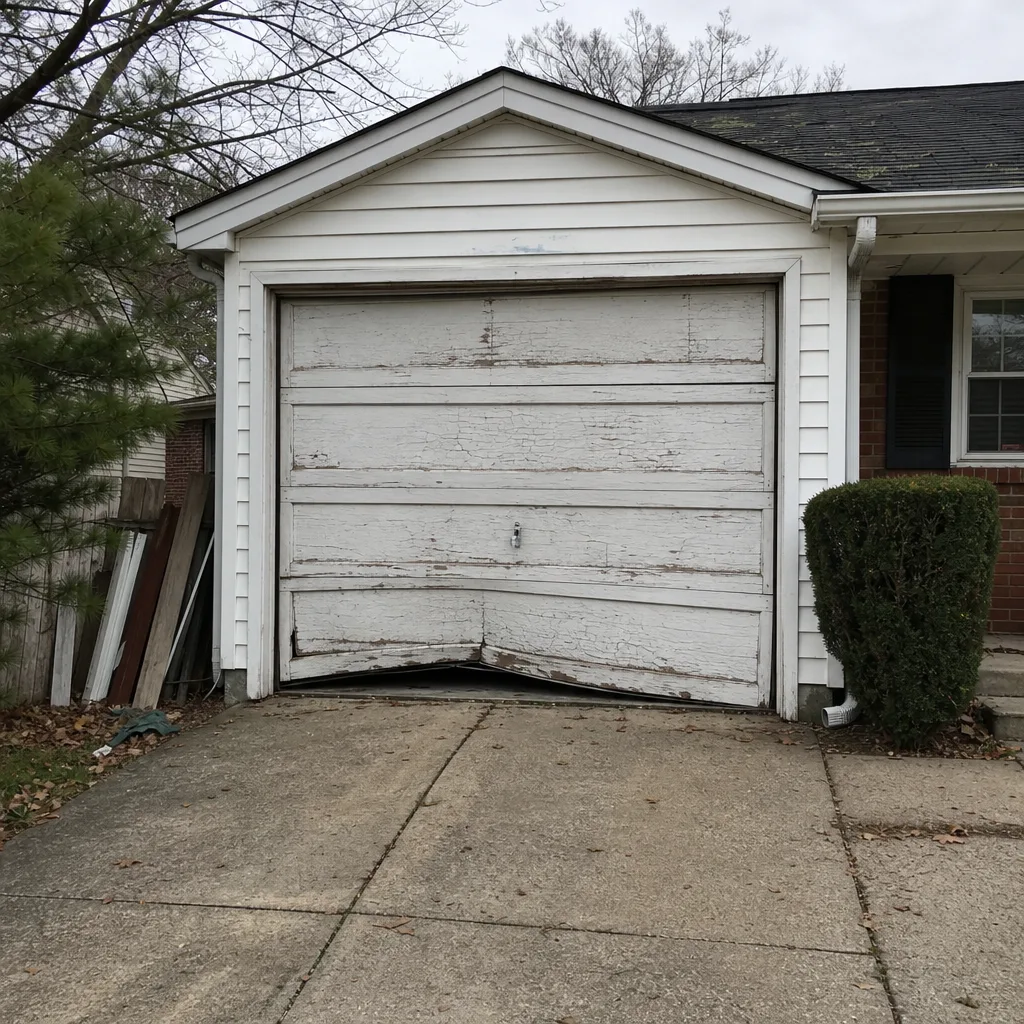 Before
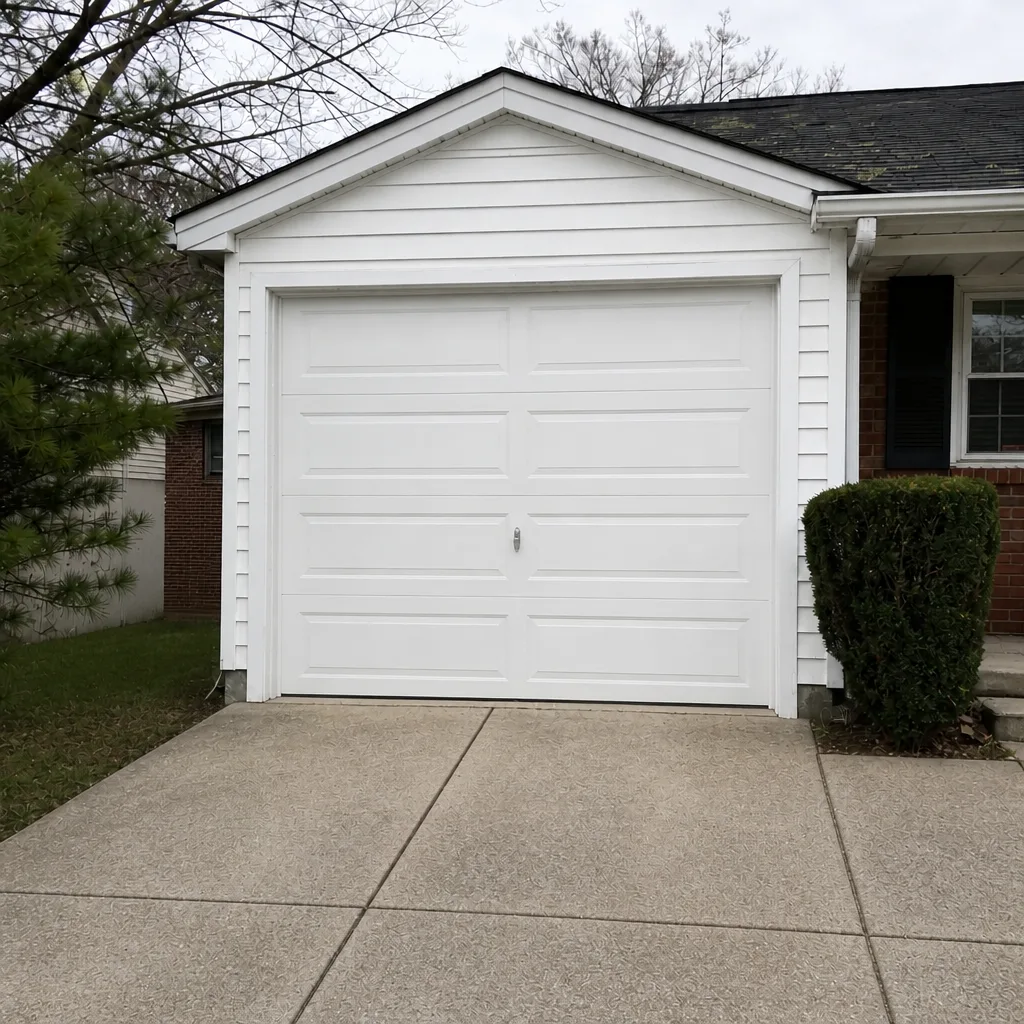 After
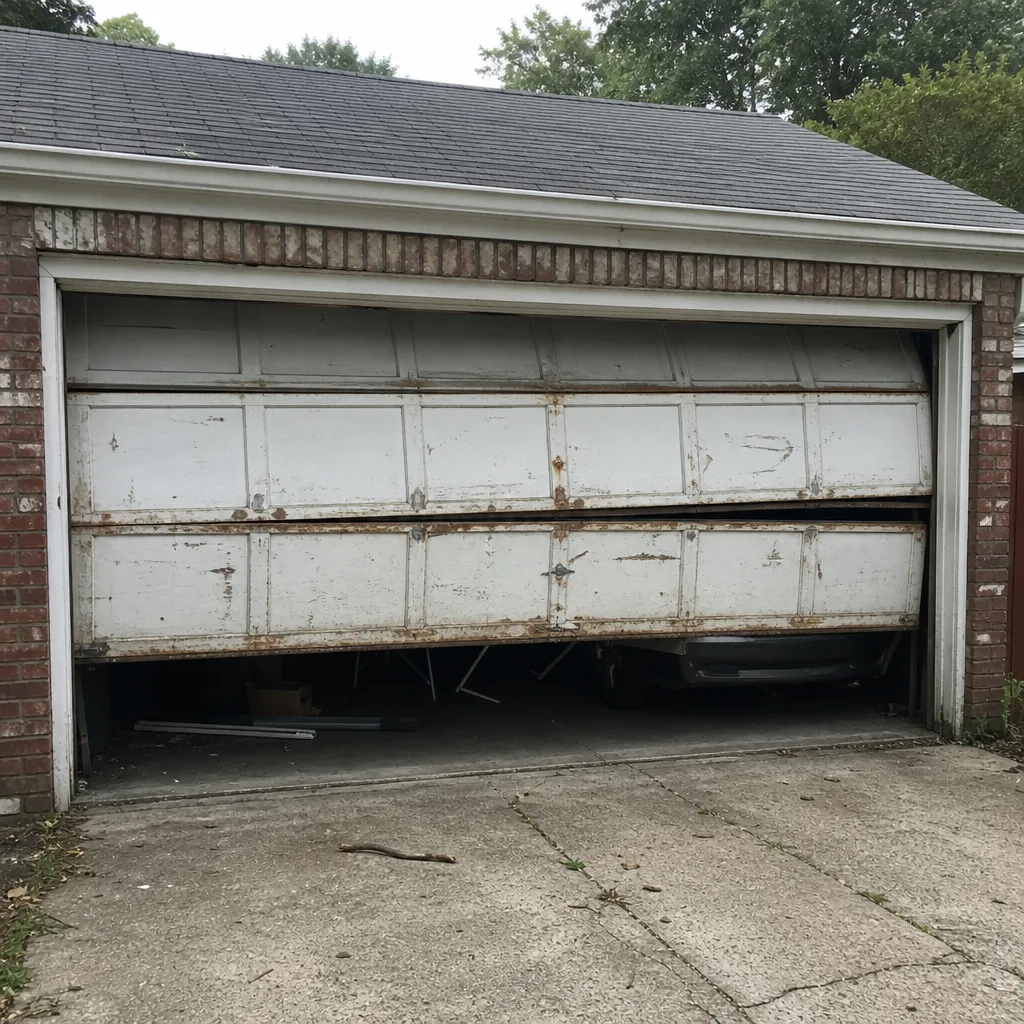 Before
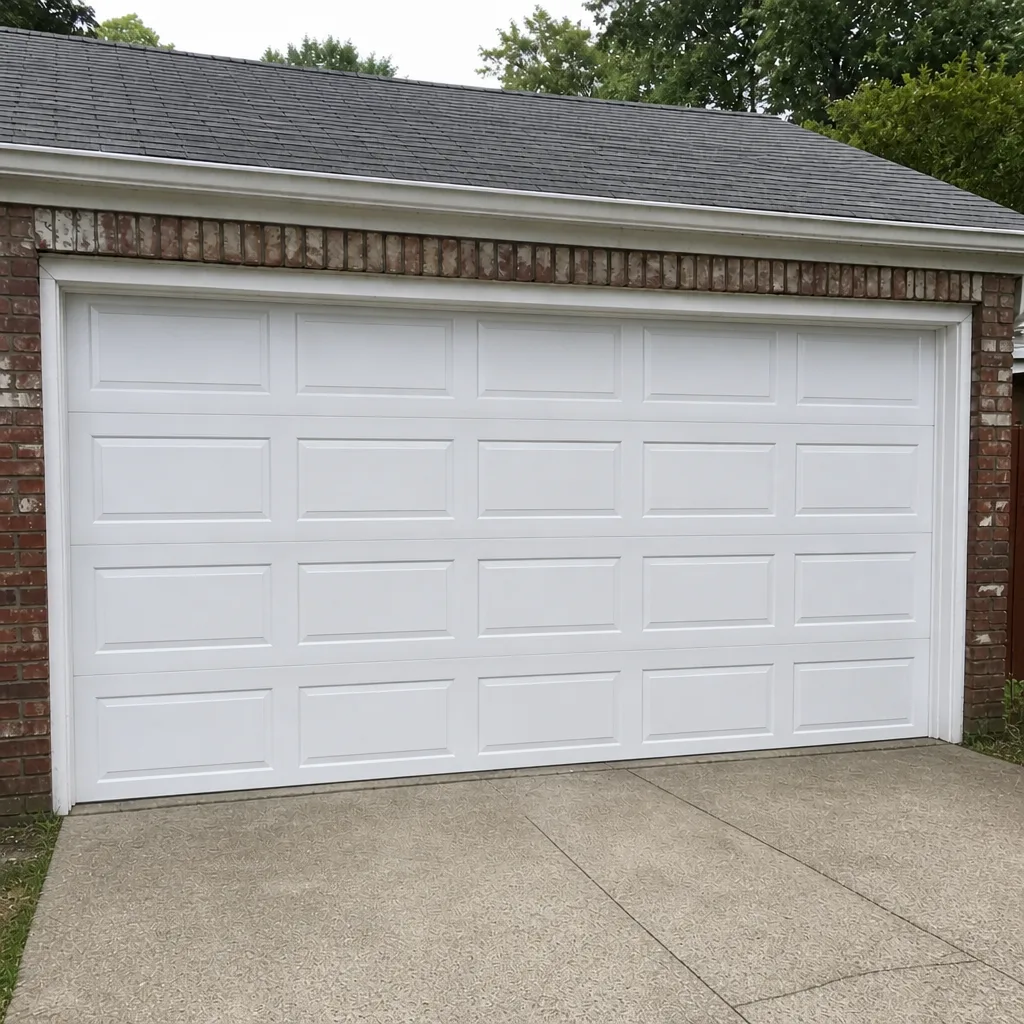 After
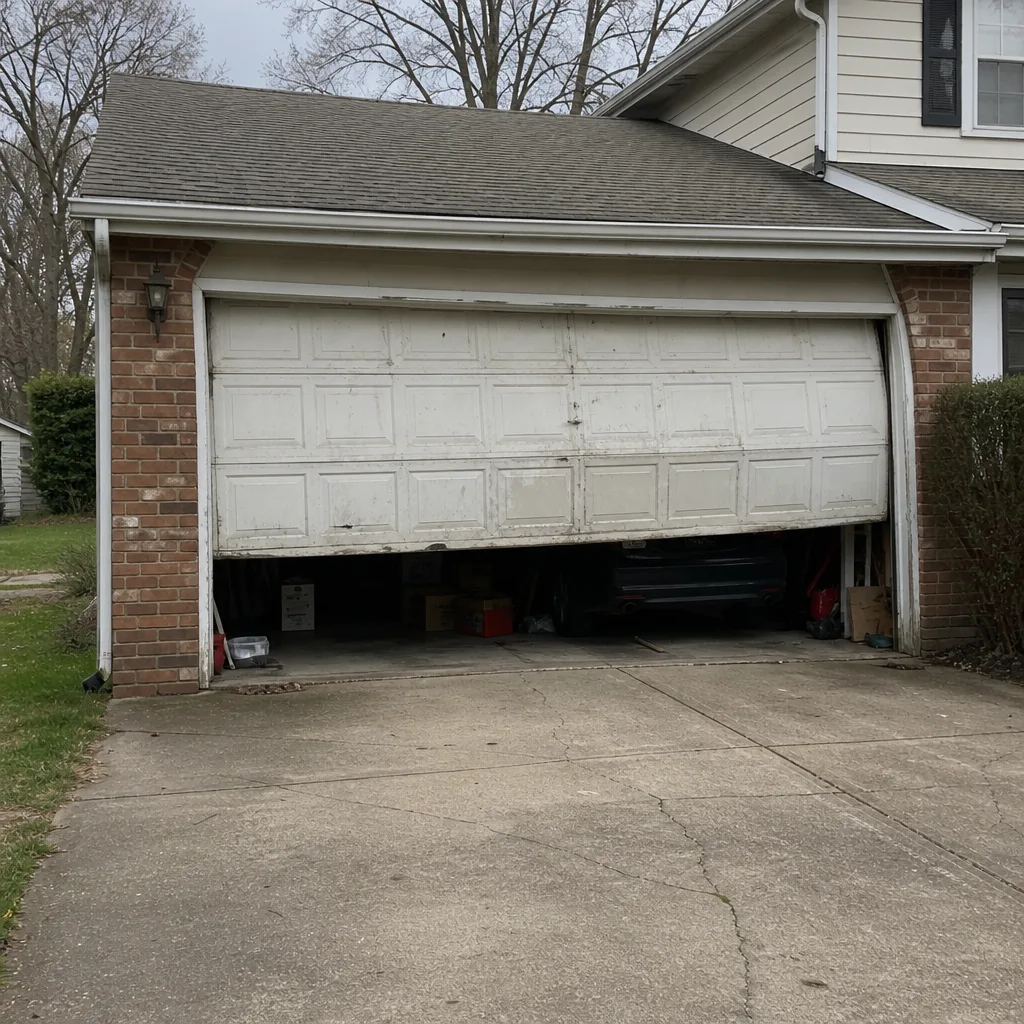 Before
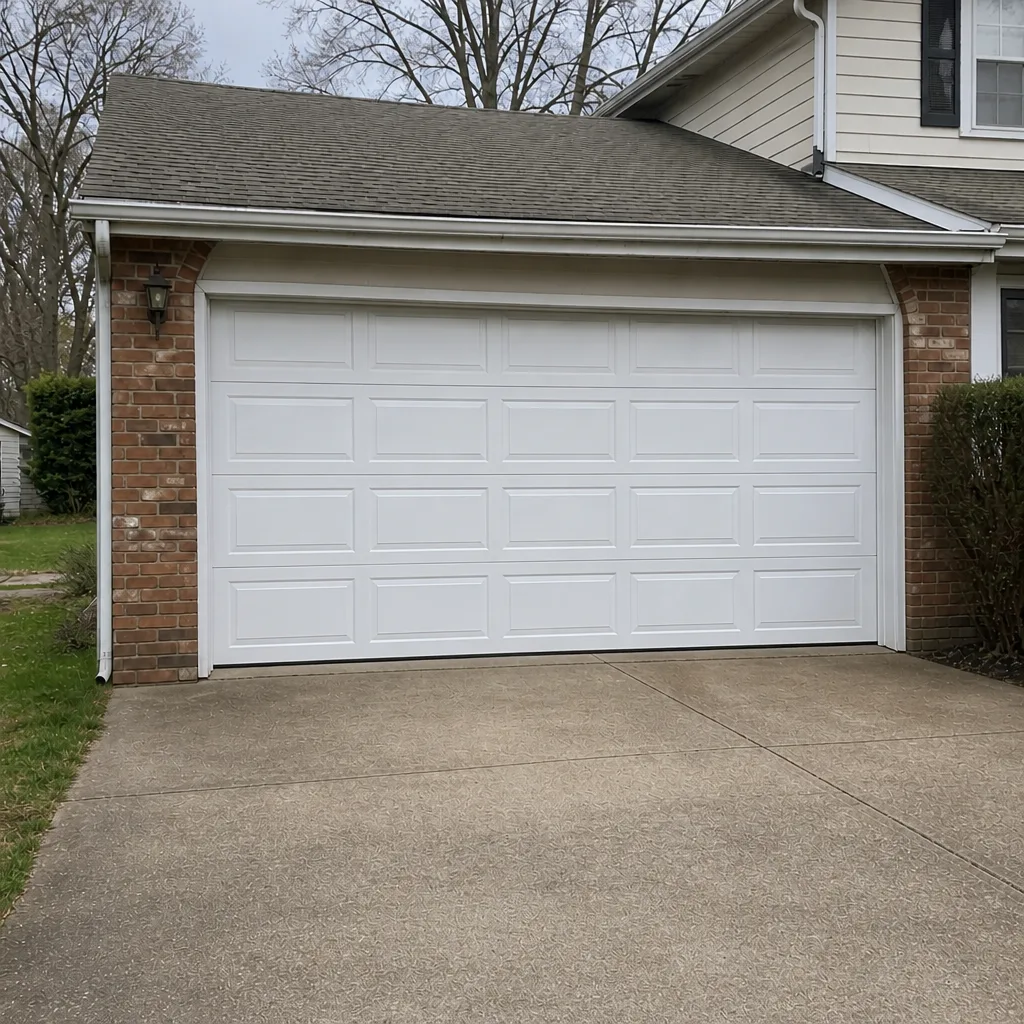 After
Frequently Asked Questions
Garage door spring repair in Forest Hill typically runs $180 to $340 for one torsion spring, and a matched pair is usually replaced together at roughly twice that. The written estimate for your door sets the final price. Call (877) 492-2570 for an exact quote; estimates are free.
We offer same-day and emergency garage door service, so if your door is stuck, broken, or won’t secure your house, call and we’ll work to get someone out fast. Availability depends on the day’s schedule. Call (877) 492-2570 to check.
No, the written estimate is the price. We inspect the door, quiz the hardware, and put the scope and price in writing before any work starts. If we find something the estimate didn’t cover, you’ll hear about it before we touch it, not on the invoice.
The local professionals we connect you with are licensed and insured as their state requires. Ask for the certificate of insurance before work starts; a professional will provide it without a second request. Call (877) 492-2570 if you have questions about the paperwork.
Most doors can be repaired, and a specialist will tell you which. A failing spring or a worn roller set is a repair. A door with bent panels, rusted-out tracks, or structural damage that keeps recurring is often a replacement conversation. An inspection settles it.
Ask two questions: how many springs the door has, and which opener brand is on the wall. A specialist asks or answers both without hesitation. A generalist will generalize. Look for a company that names the brands it services, such as LiftMaster, Chamberlain, Craftsman, and Raynor, and ask whether they do full installs as well as repairs.
The Bottom Line
Hiring a garage door contractor in Forest Hill comes down to a few concrete checks. Ask the screening questions, listen for whether the answers are specific or vague, and require a written estimate with parts, labor, and warranty broken out. Confirm insurance. Agree on the price before the work starts. A specialist who knows your door’s brands, recognizes a torsion system, and does full installs as well as repairs gives you a straightforward job with no handoffs. If a quote feels like a guess and nobody asked about your door, trust that instinct and make one more call. Forest Hill Garage Door Repair works on LiftMaster, Chamberlain, Genie, Clopay, Amarr, Wayne Dalton, Craftsman, and Raynor equipment, and our technicians have up to 13 years of experience. Same-day and emergency service is available, and estimates are free. If you want a starting point for repair-specific questions, our garage door repair page covers common failures and how each gets fixed. If your opener is the issue, garage door opener repair goes deeper on motors, sensors, and smart units. And when you’re ready to start fresh, so is Forest Hill Garage Door Repair.
Contact
Call (877) 492-2570 for a free estimate. We’ll ask about your door, look at the springs and opener, and put the price in writing before anything starts. Same-day and emergency service is available when your door can’t wait, and full installation is scheduled at a pace that gets the measurement and ordering right. One call, full service – repair, opener work, springs, and new doors, handled by technicians who do this one trade.
Written by the team at Forest Hill Garage Door Repair.