Last updated November 21, 2026
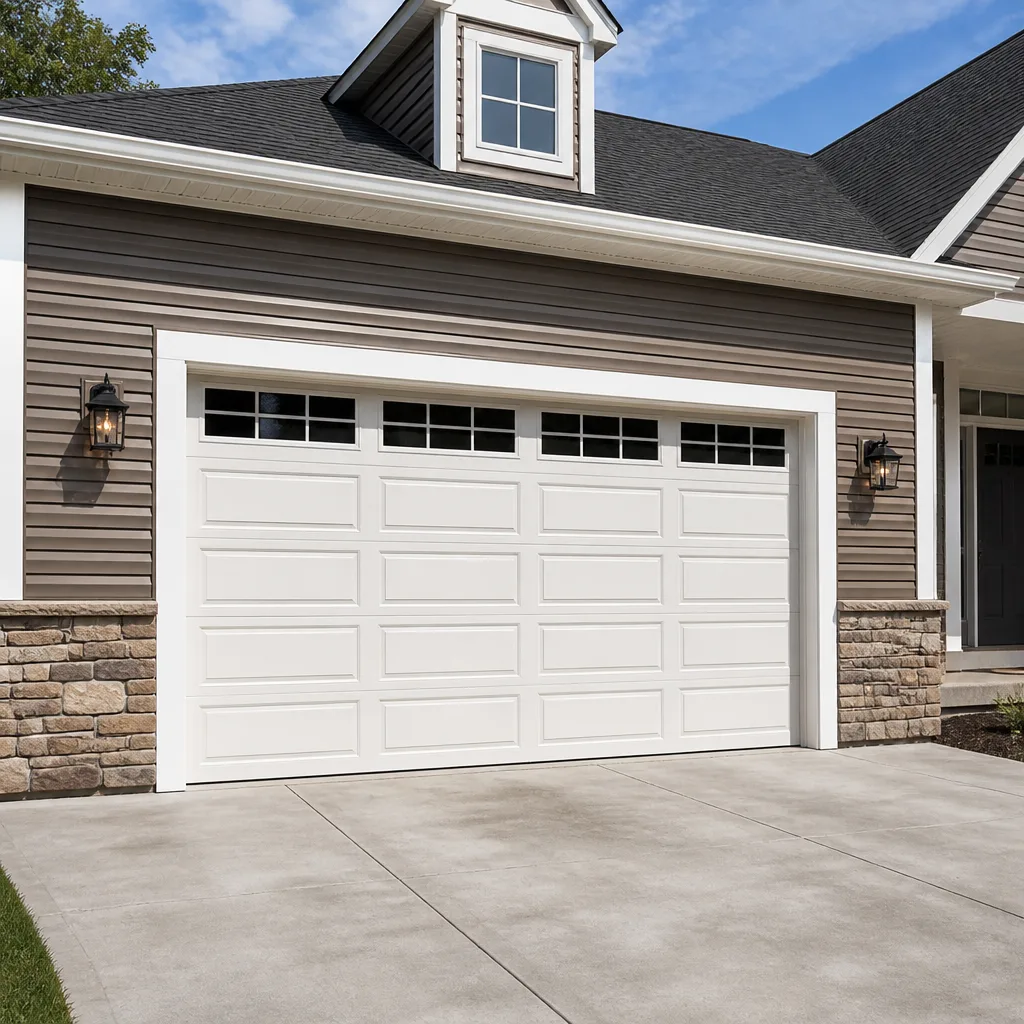 Raised-panel steel
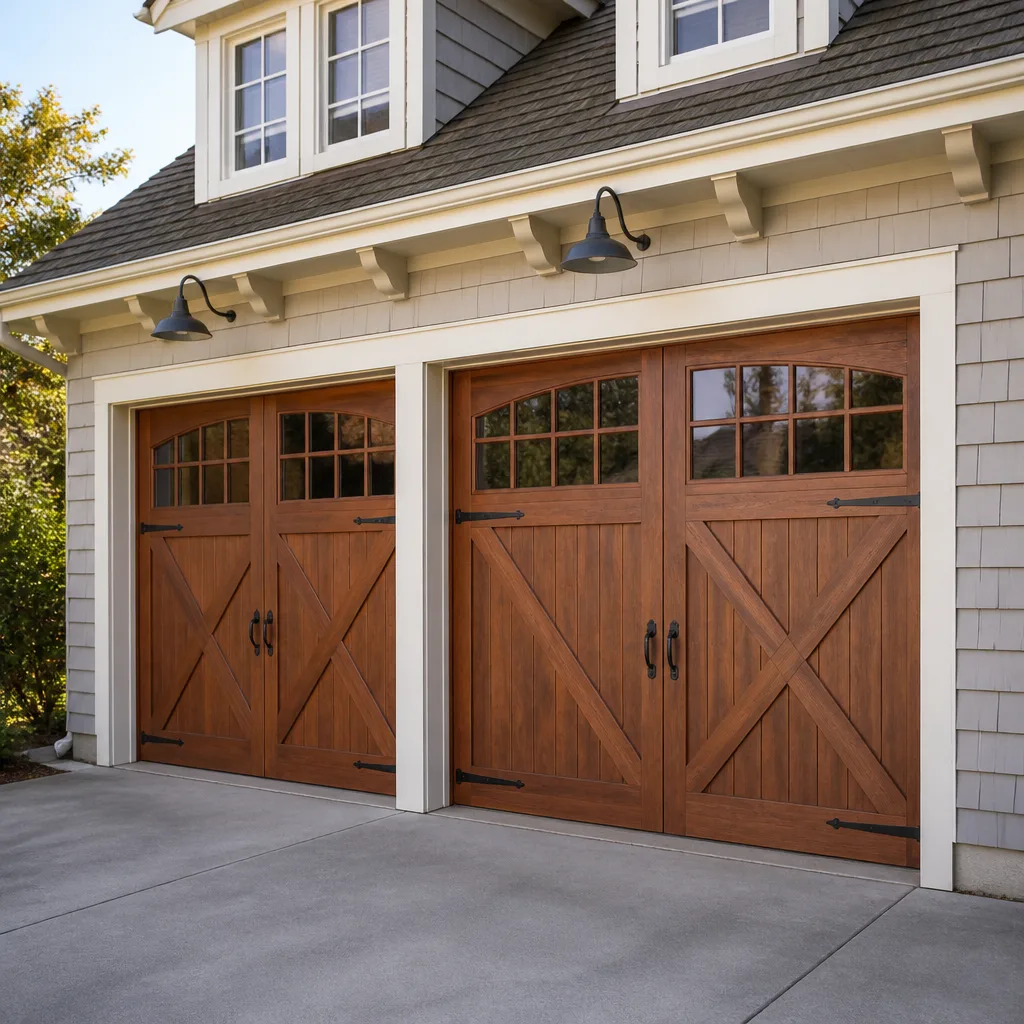 Carriage house
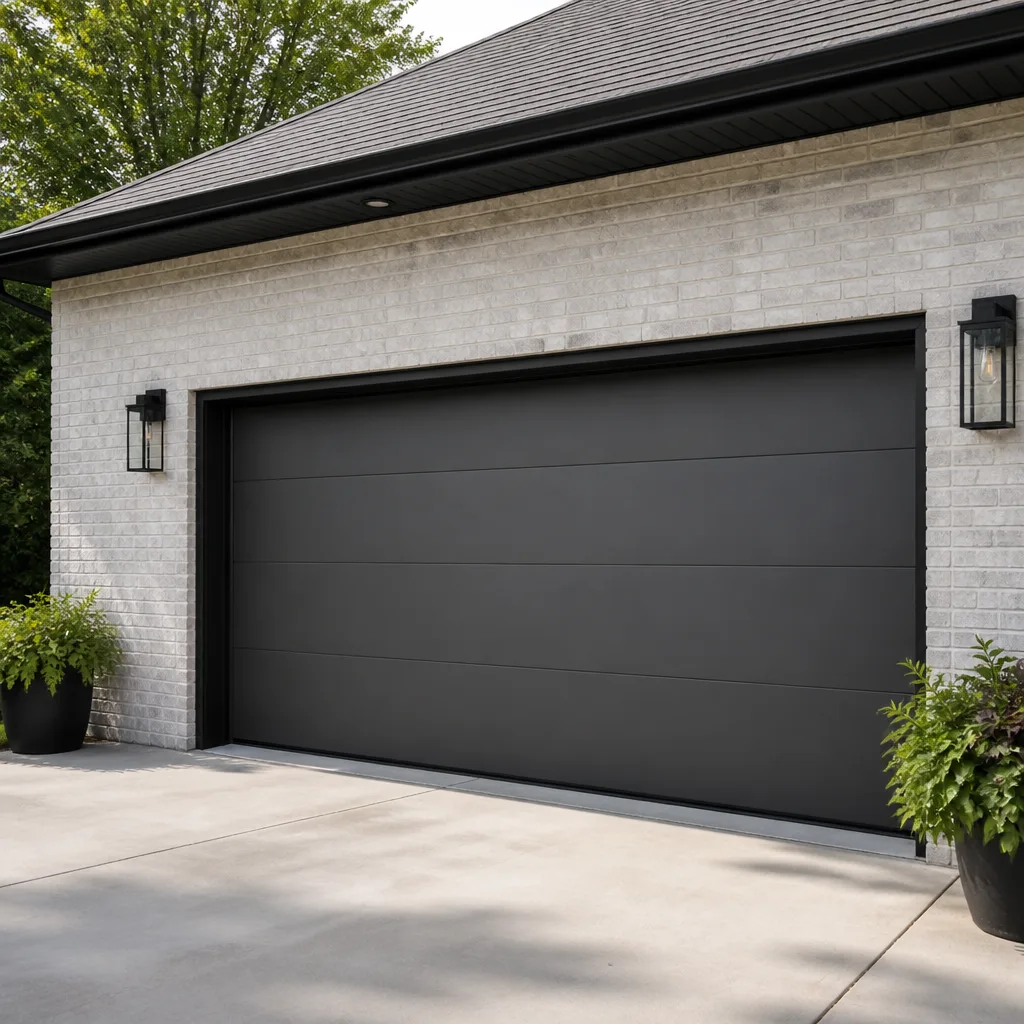 Modern flush
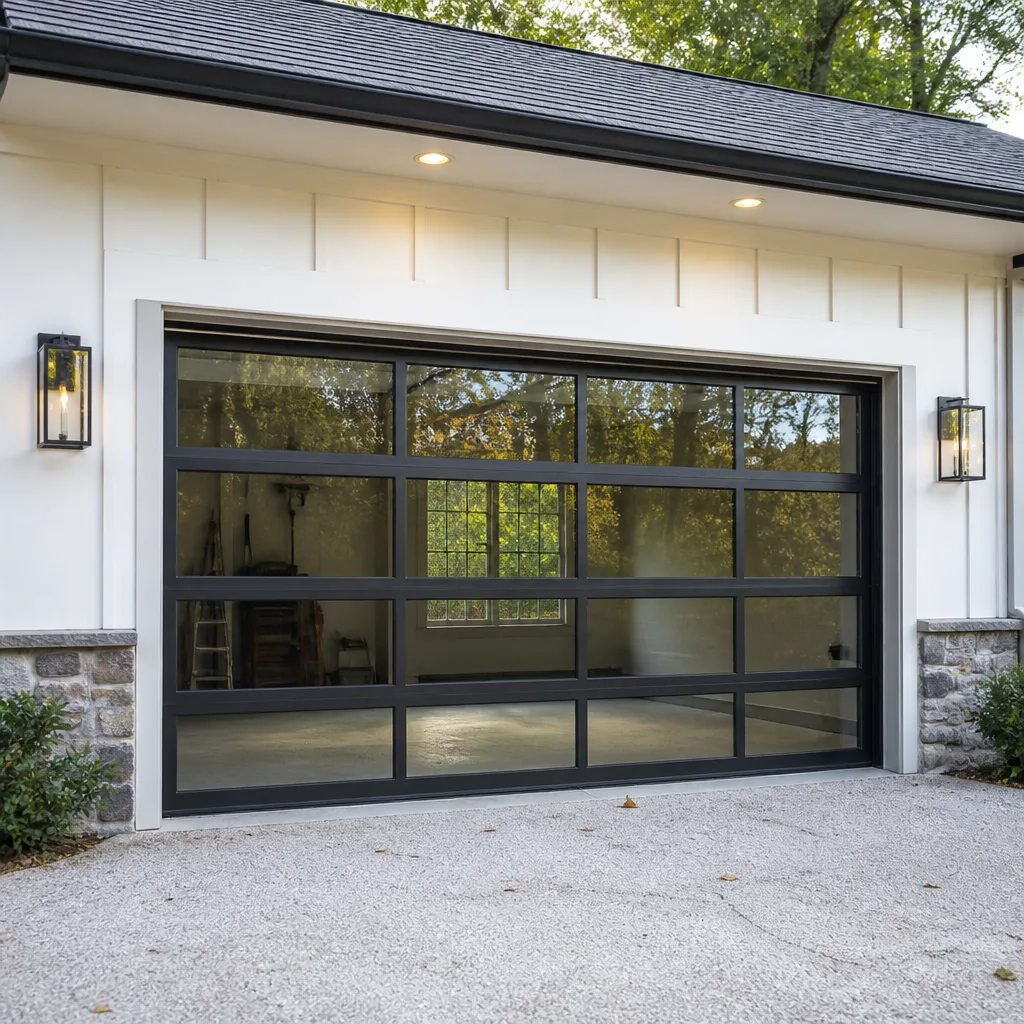 Full-view glass
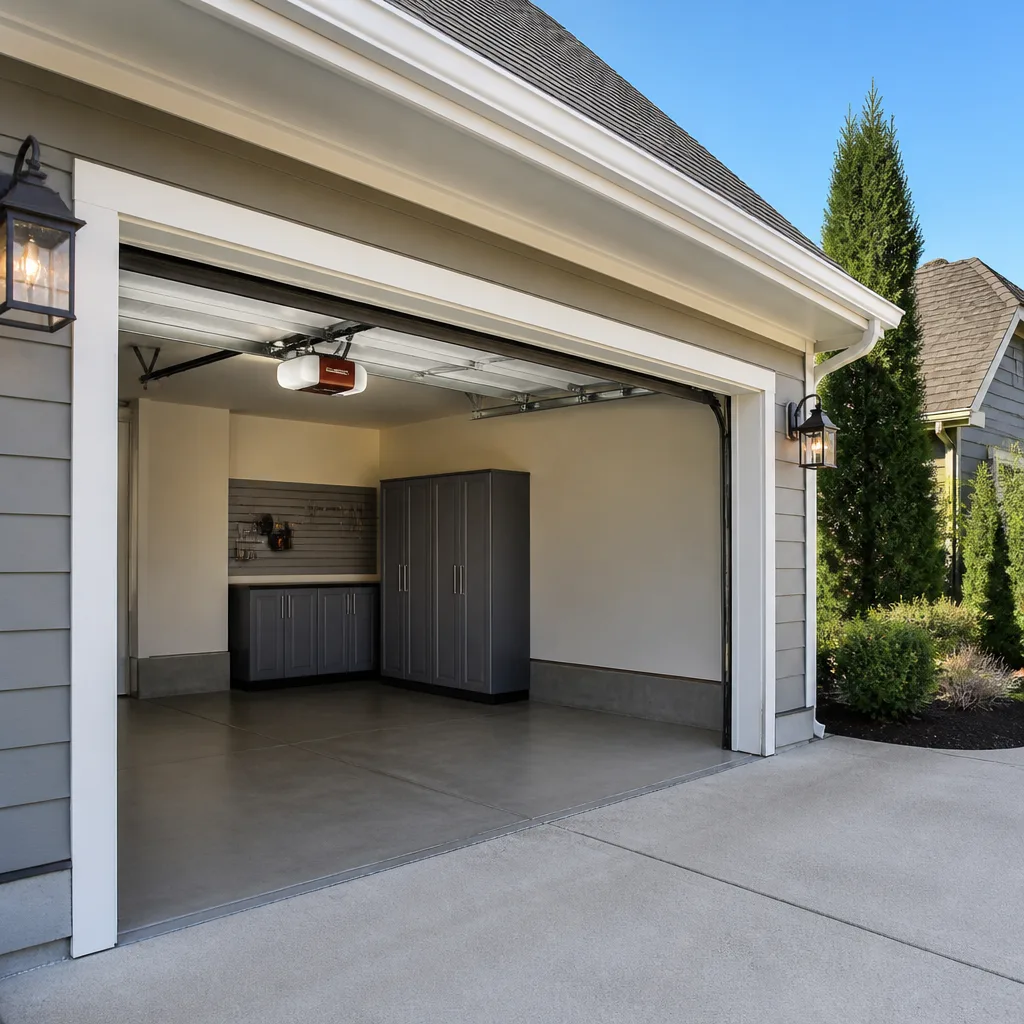 LiftMaster openers
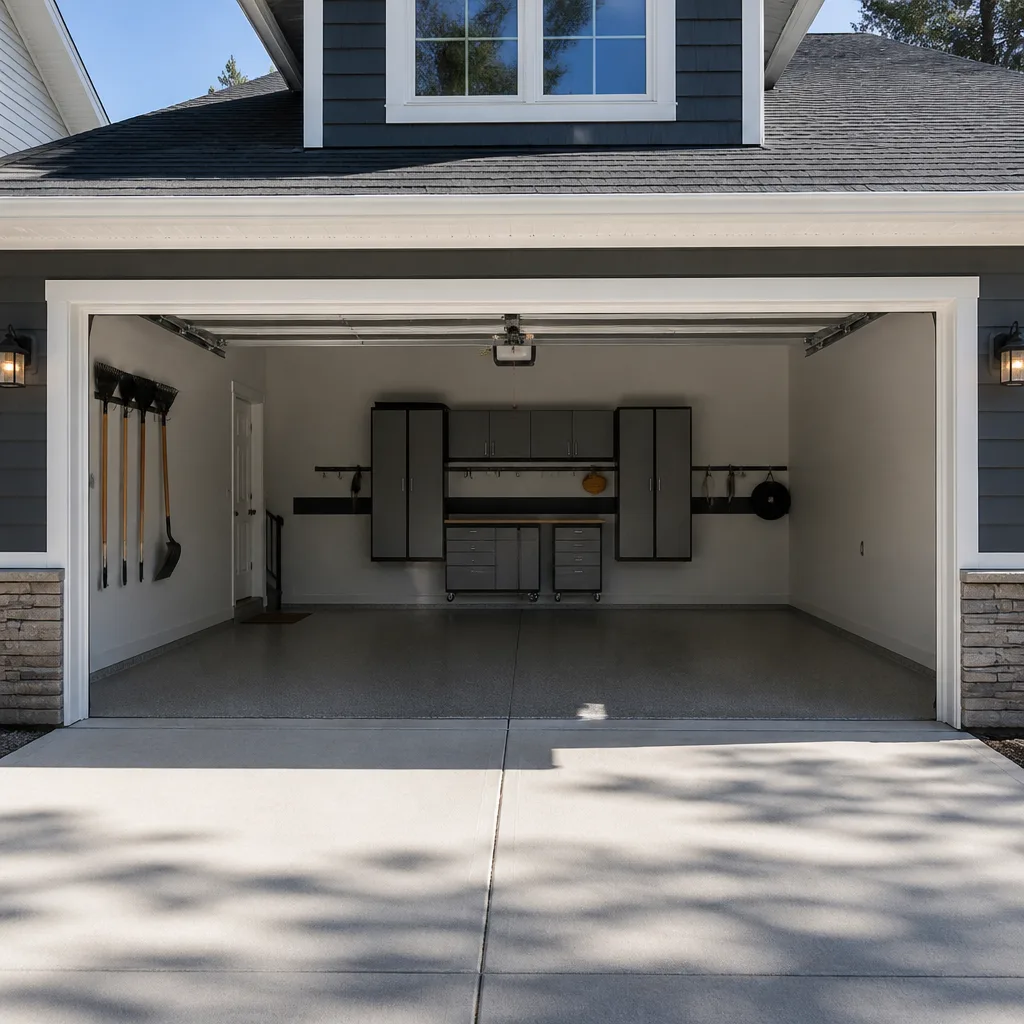 Chamberlain openers
Full 25-point door and opener safety check with every visit - springs, cables, rollers, tracks, and your LiftMaster or Chamberlain opener included
You get a price before we start. It does not change when the pro arrives.
Get your free estimateSeasonal Garage Door Care for Forest Hill: Year-Round Homeowner’s Guide
The most damaging day for a garage door in Forest Hill isn’t the coldest day of winter. It’s the first hard freeze after a wet late October. By then, water has already worked its way into every seal gap and cable groove, and the first plunge below freezing locks it in place, expands, and starts working the hardware loose from the inside. Most homeowners don’t notice until something snaps in January and the door won’t lift. This guide walks through all four seasons as separate mechanical stress periods, each with its own failure modes, tasks, and timing, so you’re maintaining ahead of the problem instead of repairing behind it.
Quick Answer
Seasonal garage door care in Forest Hill means matching maintenance to what the local climate is actually doing to the door: pre-freeze seal and cable checks in fall, tension and lubrication work through winter, a full post-winter inspection in spring, and heat-related track and opener checks in summer. Done on that rhythm, most of the failures we see start as something small and cheap to correct. Skipped, the same small things turn into spring, cable, or opener motor replacements.
Styles & brands we work with
- Raised-panel steel
- Carriage house
- Modern flush
- Full-view glass
- LiftMaster openers
- Chamberlain openers
Table of Contents
- Why Forest Hill’s Seasons Are Hard on Garage Doors
- Fall: The Pre-Freeze Checklist That Prevents Winter Failures
- Winter: What Cold Does to Spring Tension and Your Door’s Feel
- Spring: The Post-Winter Inspection Sequence
- Summer: Heat, Track Expansion, and Early Binding
- Month-by-Month Task Calendar for Forest Hill
- Brand-Specific Notes for Forest Hill Homes
- Common Mistakes to Avoid
- When to Call a Professional
Why Forest Hill’s Seasons Are Hard on Garage Doors
A garage door is a mechanical system that lives outdoors but is expected to behave like an indoor appliance. It hangs from springs under constant tension, rides on steel rollers in steel tracks, and seals against a concrete floor with a rubber gasket. Every one of those components expands, contracts, or stiffens with temperature and moisture.
Forest Hill’s climate pushes that system through real swings. Late fall here is often wet before it turns cold, which is the worst possible order. Moisture gets into gaps while everything is still flexible, then the freeze arrives and holds it there. Winter thaws followed by refreezes are the second punch, because a February thaw lets a door settle and a March freeze catches it in a different position than it started the season.
Homes across Forest Hill vary widely by garage type, and age matters as much as weather. Older detached and attached garages in the settled blocks of the neighborhood often have wood door panels and original steel tracks, which absorb and hold moisture differently than the newer insulated steel doors on recent builds. What that means in practice:
- Wood-panel doors move more with humidity and need seal attention sooner.
- Older steel tracks pit and rust where water sits, usually at the low end of the curve.
- Unheated garages see the full outdoor temperature swing inside the door hardware.
- Insulated doors hold temperature better but hide spring and cable wear behind the panels.
None of that requires a specialist every month. It requires knowing which season stresses which part, and checking that part before it fails. That’s the whole approach behind this guide, and it’s the same approach our technicians use when they walk a Forest Hill homeowner through a door during a garage door repair visit.
Fall: The Pre-Freeze Checklist That Prevents Winter Failures
The fall checklist exists for one reason: anything loose, wet, or worn before the first freeze will be frozen in place and worse by winter. October and early November in Forest Hill are when you do the work that pays off in January. Here’s the order that matters most.
- Check the bottom seal first. Run your hand along the rubber gasket and look for gaps, hardening, or a seal that no longer touches the floor evenly. A seal that’s loose lets water and cold air under the door all winter. If it’s cracked or flat, it’s the cheapest thing you’ll replace this season.
- Look at the weatherstripping around the frame. The side and top trim seals the perimeter. If it’s pulling away at a corner, moisture gets behind it and starts working on the frame before the freeze.
- Check cable tension by eye, not by hand. With the door closed, the cables should run straight and even on both sides, with no fraying, kinks, or slack on one side. Don’t reach into or adjust cable hardware – cables are under extreme tension and a slipping cable can cause serious injury. If something looks off, that’s a professional call.
- Clear the track channels. Leaves, grit, and debris collect at the bottom of the curve where the door changes direction. A clean track means less strain on the operator through the cold months.
- Test the balance of the door. Disconnect the opener and lift the door about halfway by hand. It should hold there with minimal effort. If it drops or feels heavy, the springs are already out of adjustment and the cold will make it worse.
- Lubricate moving parts appropriately. Rollers, hinges, and the torsion bar bearings take a proper garage door lubricant, not household oil or grease. This is also the moment to confirm the opener’s motor isn’t straining.
That last point matters more than people expect. Cold thickens lubricant and stiffens the door’s movement, so the operator works harder in winter than at any other time of year. An opener that’s already laboring in October becomes the most likely component to fail in a deep freeze. If your opener is a LiftMaster or Chamberlain unit that’s more than a few years old, a fall check of the motor and drive is worth doing alongside the door itself. Our garage door opener repair service exists for exactly these situations when a motor starts to give out.
Winter: What Cold Does to Spring Tension and Your Door’s Feel
The most common winter complaint we hear in Forest Hill is some version of “it worked fine in November and now it’s hard to open.” Nothing broke. Cold does three things to a garage door at once, and together they change how the whole system feels.
- Steel contracts. Springs, cables, and tracks all shrink slightly in cold. On a torsion spring system, that changes the effective tension the door is operating against.
- Lubricant thickens. The rollers and hinges resist movement more than they did in fall, especially on a door that hasn’t been lubricated properly.
- Seals stiffen. A rubber bottom seal that pressed neatly against the floor in October can go hard and stop flexing, so the door drags against it as it opens.
Add those together and a door that opened smoothly in November genuinely does feel heavier in January. The question is whether it’s a normal cold-weather change or the start of a spring failing. Here’s the simplest way to tell:
- If the door opens slowly but smoothly and the opener isn’t straining, it’s likely cold-related drag and normal.
- If the door is noticeably heavier, drops when you try to hold it halfway up, or the opener struggles or reverses, the spring tension is off and needs professional assessment.
- If you hear a sharp crack and the door won’t lift at all, a spring has broken and the door must not be operated. Springs are under extreme tension and are genuinely dangerous to touch, let alone replace. Leave the door closed and call a professional.
Winter is also the season when Forest Hill gets its thaw-and-refreeze cycles. A February warm spell lets the door settle slightly, ice forms at the bottom seal overnight, and the next morning the opener tries to break the door free of that ice. That’s hard on the motor. If you know a thaw is coming and you’re expecting a refreeze, a quick check that the seal isn’t frozen to the floor saves the opener a lot of strain. We work on LiftMaster, Chamberlain, Genie, and Raynor systems and see how each brand handles that cold-weather load differently, particularly on older units.
Spring: The Post-Winter Inspection Sequence
Spring works through the list the winter built. That’s why the inspection sequence here is specific and ordered: winter damage shows up in predictable places, in a predictable order. Doing these steps in sequence is how a small post-winter fix stays small.
- Walk the door for rust spots. Hinges, rollers, and the bottom of the tracks are where winter moisture leaves its mark. Surface rust on a hinge is easy to catch early; rust that’s eaten into a cable is not something to ignore.
- Inspect the bottom seal for winter damage. Ice, grit, and the door’s weight against a frozen floor take a toll on the gasket. Look for cracks, tears, and a seal that no longer sits contact-flat.
- Check the opener’s sensitivity and force settings. This is the step most homeowners skip. A cold winter can cause the opener’s sensitivity to drift, and a door that was calibrated in fall may be operating with settings that are now slightly off. The safety reverse should stop the door on contact and reverse it. Test that function deliberately.
- Look for cable wear. Spring is when cables that survived the winter show fraying at the drums or a slight slack on one side. Any cable you can see damage on should be assessed by a professional.
- Re-check the balance of the door. Same test as fall: disconnect the opener, lift the door halfway, see if it holds. If it’s changed since fall, the springs have shifted and should be looked at.
- Test the safety reverse and the photo-eye. An object in the door’s path should stop and reverse the door. The photo-eye at the base of the door should be clean and aligned.
Spring is also the season when a door that ran all winter finally gives out. If your door stopped operating entirely, the fix is not “wait until summer.” Same-day and emergency service exists for exactly this: a stuck door is a safety and security issue the same day it happens. When we come out, our garage door repair technicians diagnose the actual cause rather than patching the symptom, because a door that’s binding in spring and gets “fixed” without the real cause addressed will fail again fast.
Summer: Heat, Track Expansion, and Early Binding
Heat does the opposite of cold – it expands steel. In summer, the tracks can expand and the door’s panels can swell slightly, and the alignment the door had all winter subtly changes. On its own, that’s normal. The problem is what happens when expansion catches somewhere it shouldn’t.
Binding is the failure to watch for. When a door binds, it doesn’t open freely – the opener fights the resistance, drawing more current and running hotter. On a lighter day it feels fine. On the hottest days, the motor runs longer and hotter and the unit can trip its thermal protection, cutting out mid-cycle. A door that opens on a cool morning but stalls on an afternoon in the mid-nineties is showing you binding, not a broken opener.
What to check in summer:
- Look down the tracks. Stand back and sight along each track. A slight bend or bow is normal wear; an obvious kink or a gap between the track and the door’s rollers is binding.
- Watch the door’s travel. It should move smoothly and at even speed. Shuddering or pausing means resistance somewhere in the track or hinges.
- Listen to the opener. A motor that strains, grinds, or runs longer than it used to on the same door is working harder than it should.
- Check the door panels. On older wood doors, summer humidity can swell panels and change how they sit in the tracks. On insulated steel doors, the panel joints can shift with heat.
- Don’t over-tighten anything in response. A common mistake is tightening track bolts to “fix” a bind, which often makes alignment worse.
If summer binding is caught early, it’s usually a track adjustment or a roller replacement. Left alone, the extra strain on the opener shortens its life, and by the time the motor fails, you’re replacing an opener instead of a few rollers. This is also the season when smart openers – the newer Genie and Chamberlain connected models – show up in Forest Hill homes, and their force and travel settings can drift as the door’s alignment shifts in the heat. If your connected opener is reporting failed cycles or running longer than it should, the settings and the door’s track may both need attention.
Month-by-Month Task Calendar for Forest Hill
This calendar is built around Forest Hill’s actual seasonal rhythm rather than a national average, which is why the fall window is early and the spring window is a full inspection, not a spot check. Think of it as a baseline: your specific door, its age, and its door type may call for more or more frequent checks.
- September: Start the fall seal and weatherstripping inspection. Lubricate hinges, rollers, and bearings.
- October: Full pre-freeze check. Test the balance of the door. Confirm the bottom seal sits flat. Check cables by eye. Clear the tracks.
- November: Final pre-freeze walk. Test the opener’s motor and confirm it isn’t straining. You want the door and opener ready before the first freeze.
- December: Listen to the door’s travel after the first cold snap. If it’s noticeably heavier, have the springs assessed.
- January: Cold-weather watch. Confirm the bottom seal isn’t frozen to the floor overnight and that the opener isn’t reversing or stalling.
- February: Note any thaw-and-refreeze cycles. Check that the door isn’t binding against ice at the seal.
- March: Full post-winter inspection. Rust, seal damage, cable wear, opener sensitivity check, and the balance test.
- April: Re-test the safety reverse and photo-eye. Assess any spring that changed behavior over winter.
- May: Sight the tracks for alignment. Lubricate the moving parts again before the hot season.
- June: Watch for binding as temperatures climb. If the door opens cool and stalls hot, inspect the tracks.
- July: Check the opener through the hottest stretch. If it trips thermal protection, have the door’s resistance checked.
- August: Look at the door panels and track alignment for heat-related shift. This is also a good time to plan any fall repair work.
Forest Hill’s seasons don’t follow a rigid calendar, and the timing that matters is the weather, not the date. Watch the forecast for the first hard freeze in October and the first thaw in February, and line the checks up with those instead of a fixed schedule.
Brand-Specific Notes for Forest Hill Homes
A lot of the doors across Forest Hill are hardware we work with on a regular basis. We work with eight of the most widely installed residential garage door and opener brands, and that changes what a seasonal check actually looks like because we know what each system does first.
- Raynor doors show up on many of the older Forest Hill garages. Their steel and wood panel doors can hold moisture at the panel seams, so seal and panel checks in fall matter more than average.
- LiftMaster openers are common and generally robust, but their drive and force settings are worth confirming after a winter of cold-weather operation, especially on units tied to safety reverse functions.
- Chamberlain openers in Forest Hill homes, particularly connected models, benefit from a spring and summer sensitivity check because their force settings can drift as the door’s resistance changes with heat.
- Genie openers – both traditional and newer smart systems – are worth diagnosing by the motor’s behavior, not just the door’s, when the door’s travel feels off.
The reason brand familiarity matters for seasonal care is simple: the same cold-weather symptom can mean different things on different hardware. A door that feels heavy in January on a Raynor door may be a spring adjustment, while on a LiftMaster opener setup it may be the opener’s force setting doing the work the door should. When we’re out on a garage door repair, we’re diagnosing the whole system, not guessing at the door. If you’re planning an upgrade, the same brand knowledge applies to a full garage door installation, where the hardware you already have matters to what’s ordered and how the new door is set up.
Common Mistakes to Avoid
- Waiting for a symptom before you do fall work. The pre-freeze window is short in Forest Hill, and moisture trapped in a seal before the first freeze is the exact problem the fall checklist prevents. Do the fall work in October, not December.
- Reaching for cable or spring hardware yourself. Springs and cables are under extreme tension and a slipping spring or cable can cause serious injury. Inspect by eye from a safe distance and leave adjustment to a professional.
- Lubricating the tracks. Rollers, hinges, and bearings take garage door lubricant. The tracks are the one place lubricant doesn’t belong, because it attracts grit and debris that actually cause binding.
- Over-tightening track bolts to “fix” a summer bind. The bind is usually alignment, and tightening hardware makes alignment worse. Sight the track first.
- Skipping the opener’s sensitivity test in spring. A door that ran all winter needs its safety reverse checked, and the sensitivity setting on LiftMaster and Chamberlain units in particular can drift after a cold season.
- Treating a heavy door as “just the cold.” A door that drops when you test its balance in January has a spring problem, not a weather problem. Get it checked before it becomes a broken spring.
- Assuming a seasonal check replaces an inspection. A walk-through catches surface issues. Spring is when a professional looks at the parts a homeowner can’t safely assess, like cable condition at the drums.
When to Call a Professional
Some seasonal tasks are homeowner-level: clearing tracks, checking seals, lubricating hinges, and watching the door’s behavior. Others are not, and knowing the line is what protects your door and your safety. Call a professional when a spring cracks and the door won’t lift, when the door drops during the balance test, when you see frayed or slack cables, when the opener struggles or reverses unexpectedly in cold weather, or when summer binding keeps coming back after a track adjustment.
Forest Hill Garage Door Repair offers free estimates in Forest Hill – call (877) 492-2570. Spring repair is one of our named services because it’s the job homeowners most often get wrong, and our technicians have up to 13 years of experience working on the exact hardware you already have. Same-day and emergency service is a real offering, because a stuck door is a same-day safety and security problem, not a schedule-when-convenient one.
See the difference
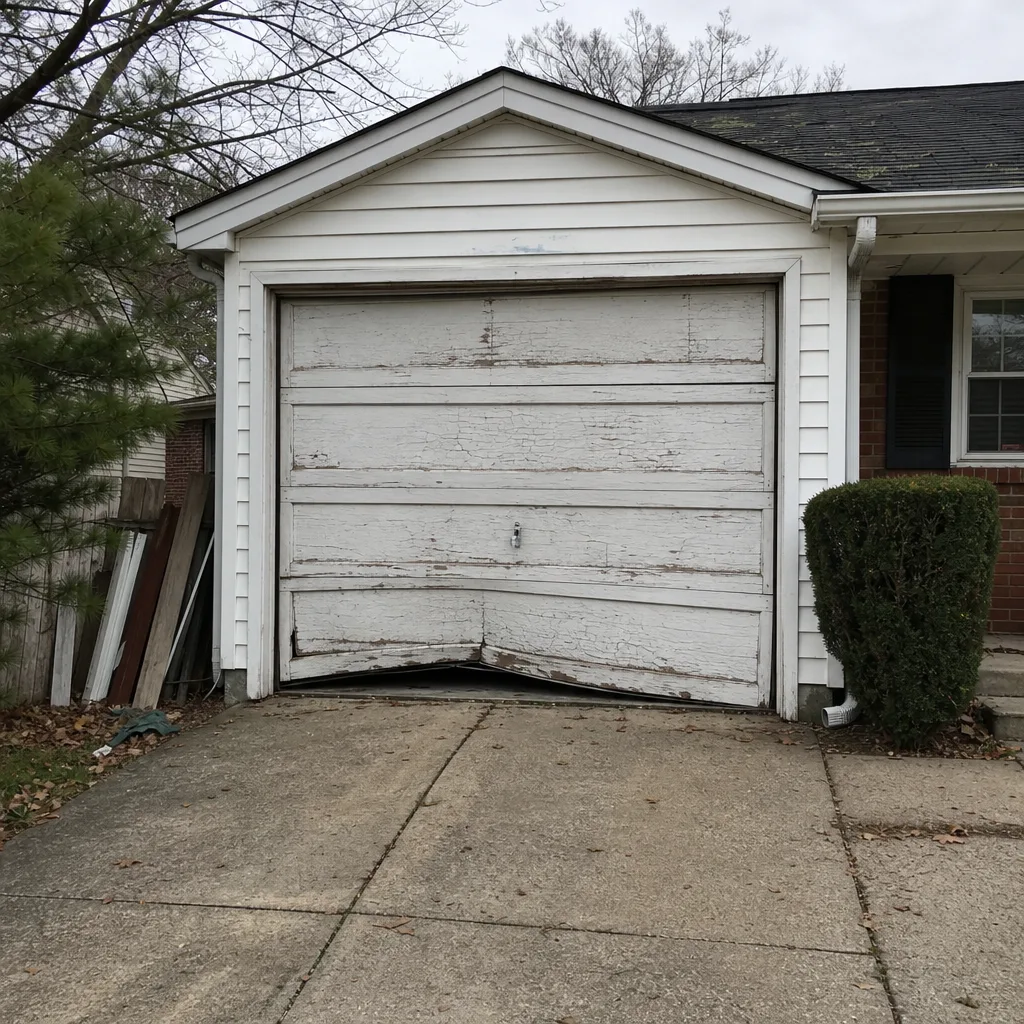 Before
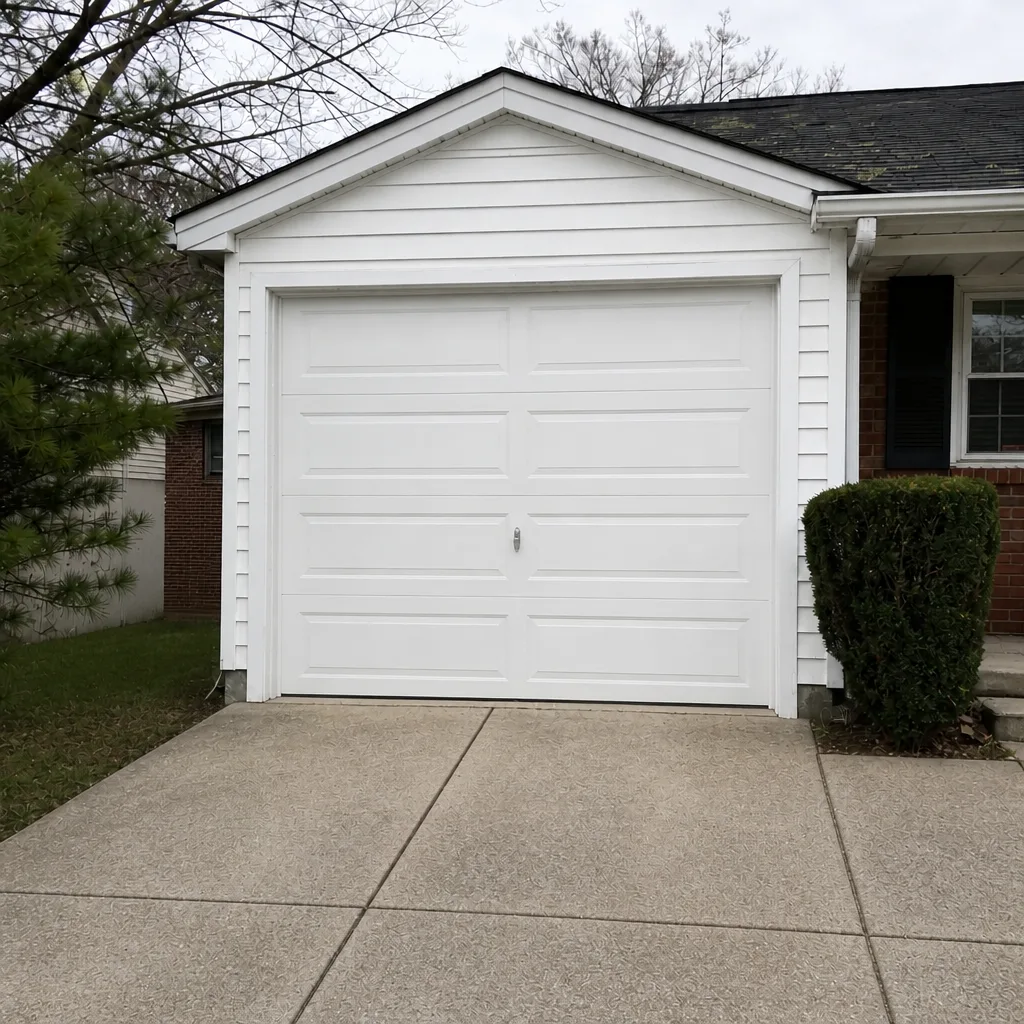 After
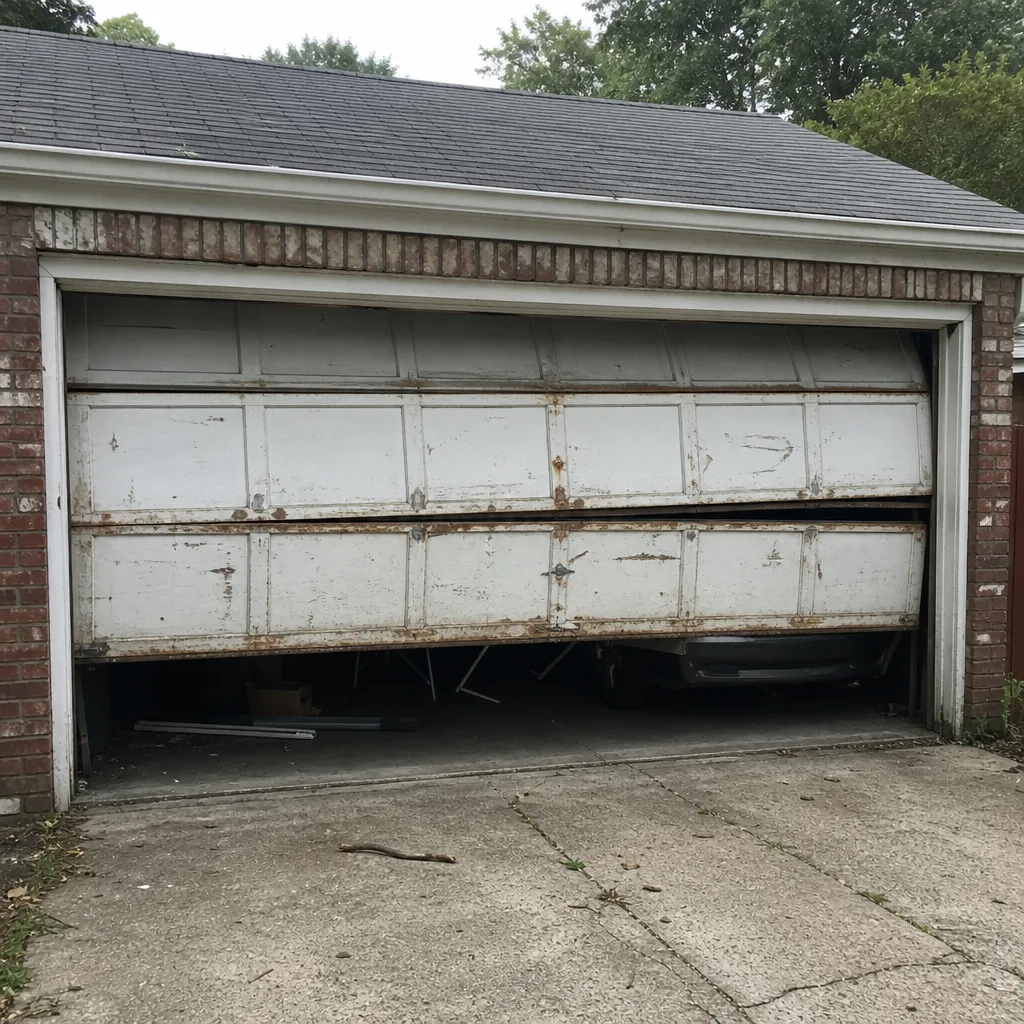 Before
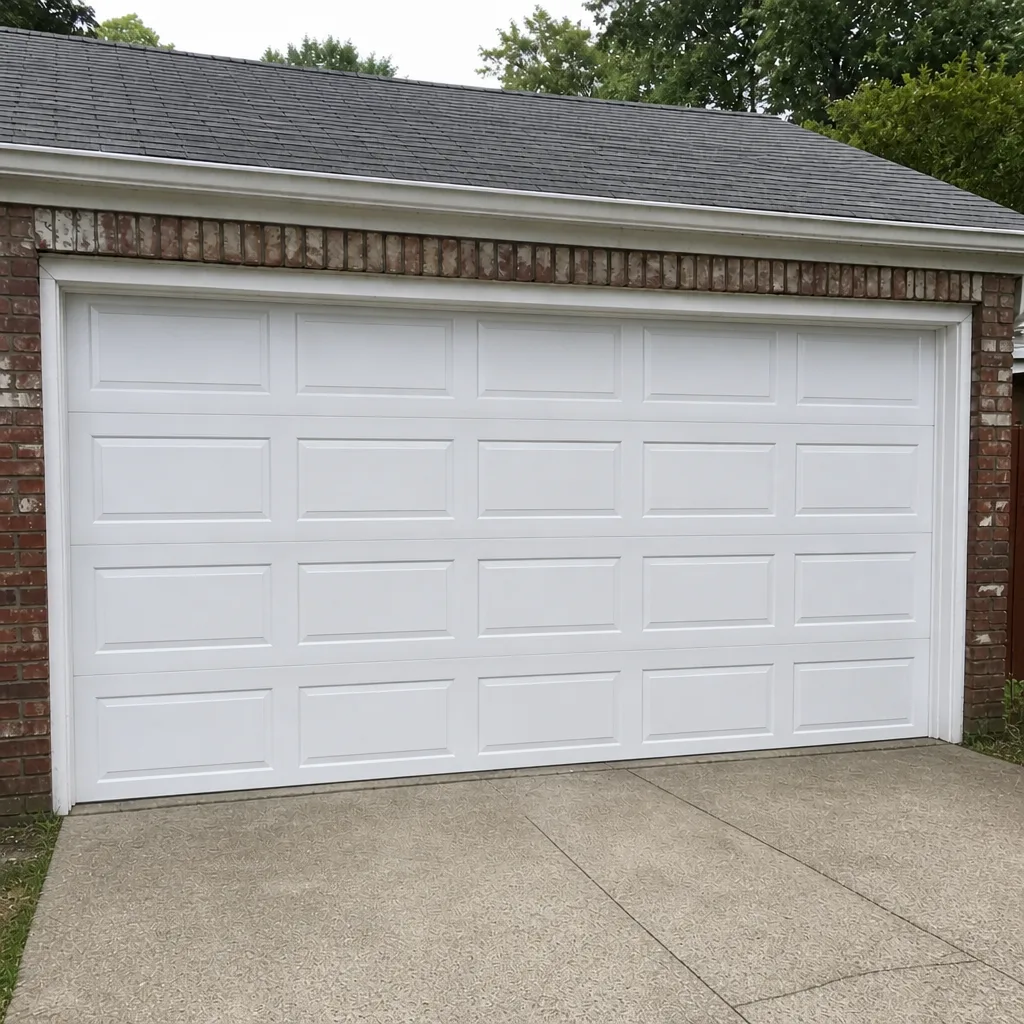 After
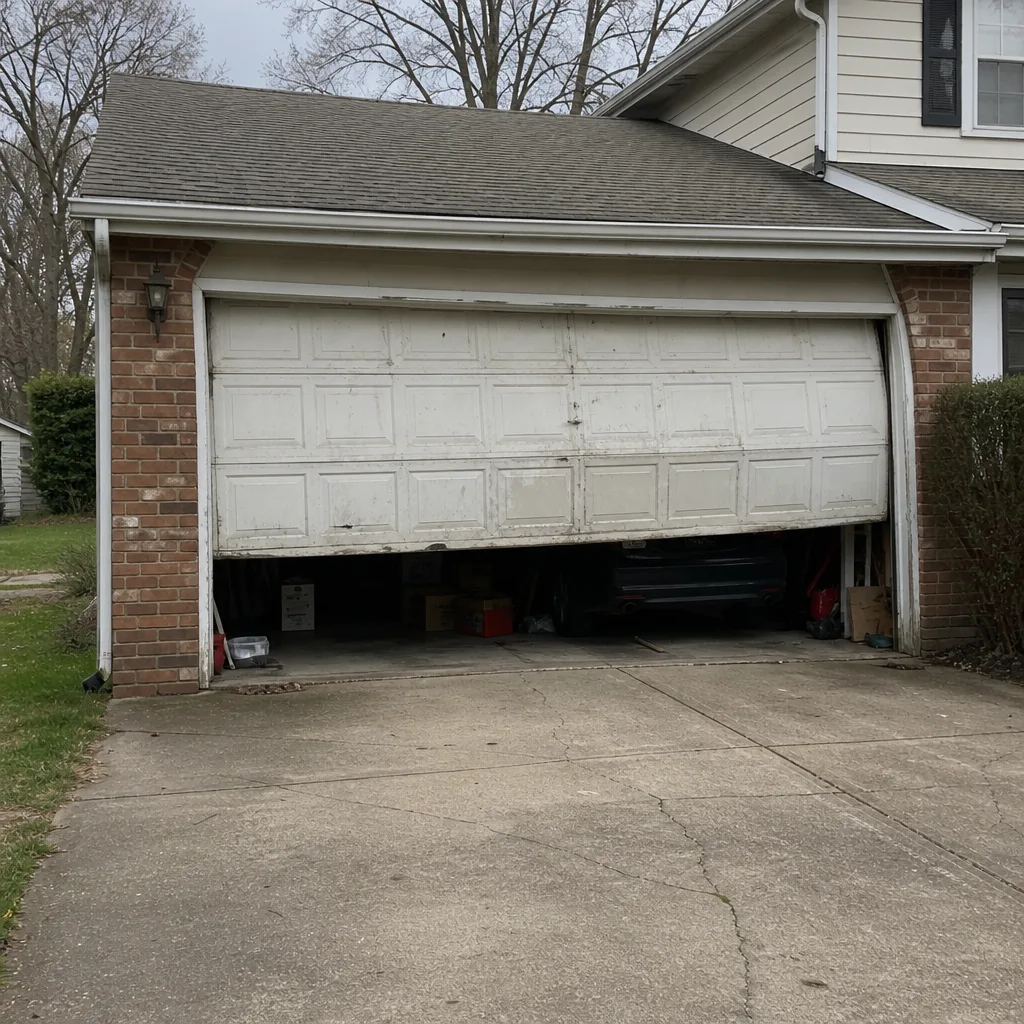 Before
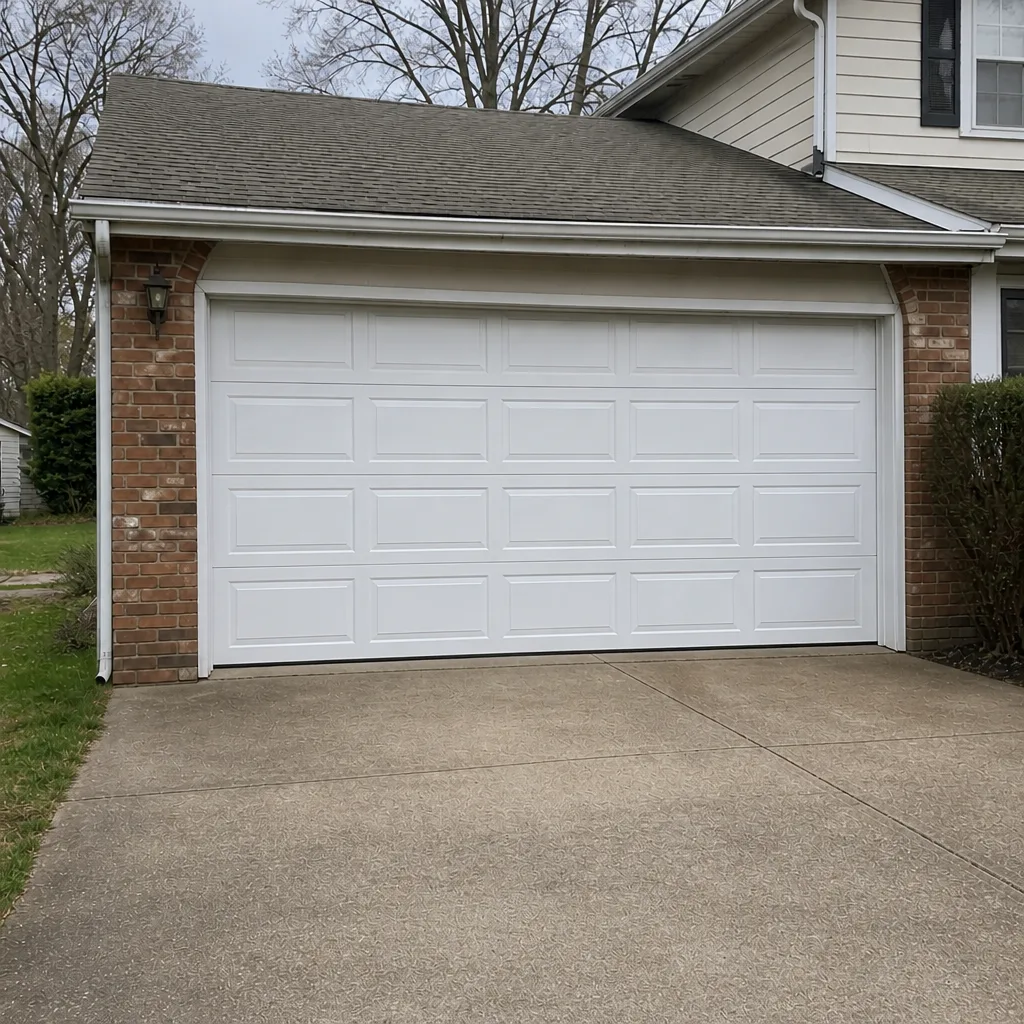 After
Frequently Asked Questions
The most important window is October, before the first hard freeze. That’s when seal, cable, and opener checks prevent the winter failures that show up in January. The second key checkpoint is a full post-winter inspection in March, once the thaw-and-refreeze cycles are done. Call (877) 492-2570 if you want an estimate and a schedule that fits your door type.
Cold makes a garage door harder to open for three reasons: steel springs and tracks contract slightly, lubricant thickens, and rubber seals stiffen. Some extra resistance is normal. If the door is much heavier than usual, drops when held halfway, or the opener struggles or reverses, the spring tension is off and should be assessed by a professional. Call (877) 492-2570 for an estimate.
Not every season. In Forest Hill, the two you shouldn’t skip are the pre-freeze fall check and the post-winter spring inspection, because those bracket the season that does the most mechanical damage. Summer is mostly watching for binding, and winter is mostly listening and observing. Call us for the fall or spring checks, and we’ll tell you honestly what the door needs.
The main sign is a door that opens fine on a cool morning but strains on a hot afternoon. That’s binding, not a broken opener. When the tracks expand in heat and the door’s alignment shifts, the opener works against resistance and can trip its thermal protection. If it’s happening repeatedly, have the track alignment checked – call (877) 492-2570 for an estimate.
Our written estimate is the price, and we agree on the quote before any work starts. A seasonal check can turn up a problem you didn’t know about, and if that happens we tell you what it is and quote it before we do anything. Call (877) 492-2570 for a free estimate, and the number we agree on is the number you pay.
Yes, the safe ones: clearing debris from the tracks, checking the bottom seal and weatherstripping, lubricating hinges and rollers, and watching the door’s travel and opener behavior. Leave spring, cable, and opener force adjustments to a professional. Springs and cables are under extreme tension and can cause serious injury. If something looks off, call (877) 492-2570 – estimates are free.
The Bottom Line
Seasonal garage door care in Forest Hill comes down to timing. Do the fall work before the first freeze and you prevent the most common winter failures. Watch the door through winter and you catch a spring problem before it snaps. Do the full post-winter inspection in spring and the winter damage stays small. Watch for summer binding and the opener gets to live longer. None of it takes a specialist every month. It takes knowing which season stresses which part, and calling someone who works on your exact hardware when the check turns up something you shouldn’t touch yourself. If you’d like an expert to walk the door with your seasonal calendar in hand, Forest Hill Garage Door Repair can help: call (877) 492-2570 for a free estimate, and we’ll give you straight answers on what to do next.
Written by the team at Forest Hill Garage Door Repair.