Last updated November 21, 2026
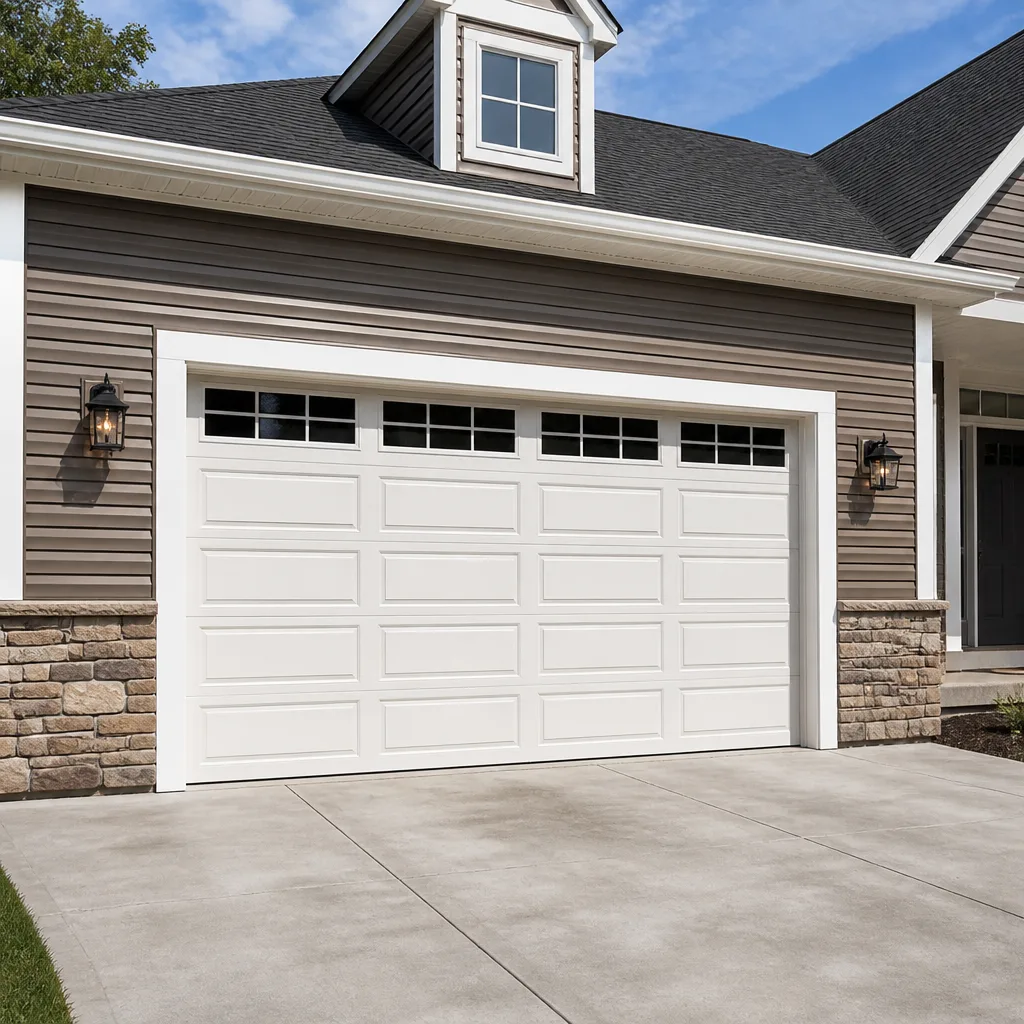 Raised-panel steel
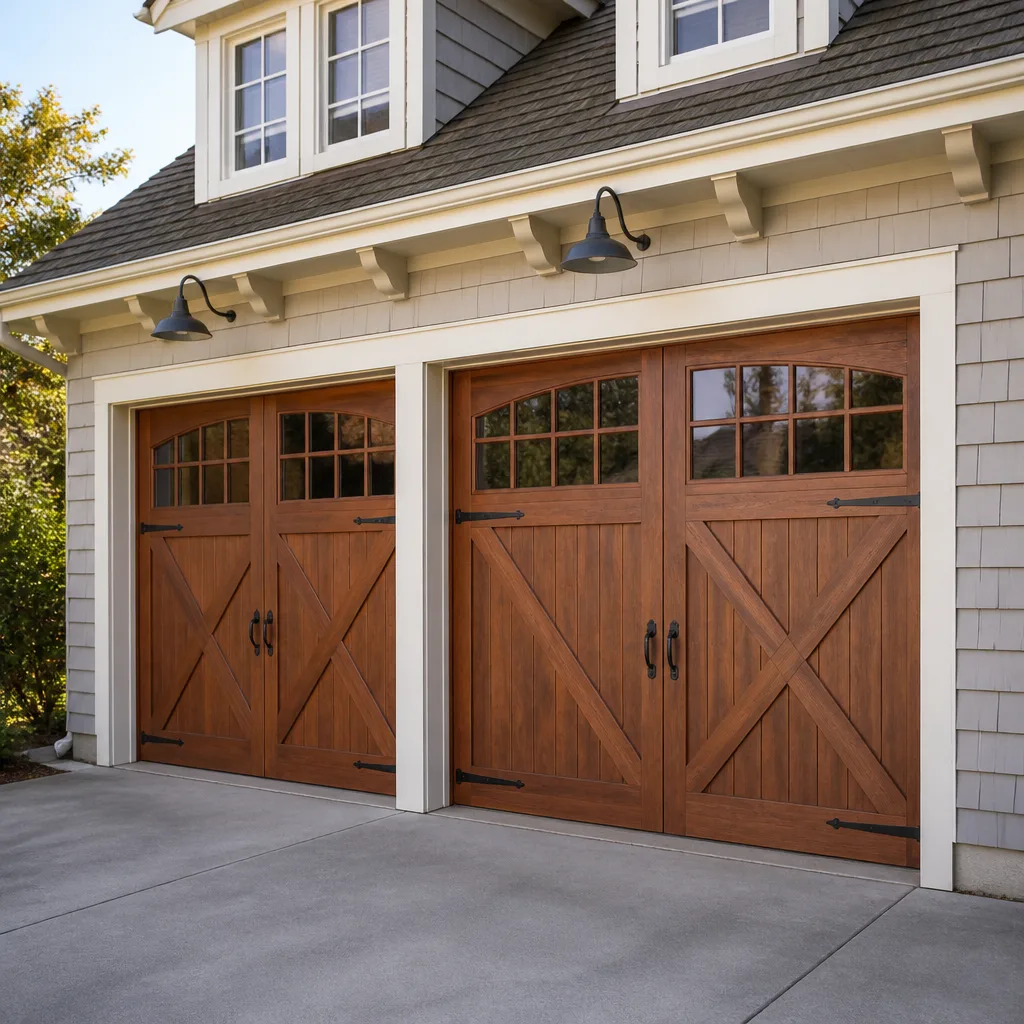 Carriage house
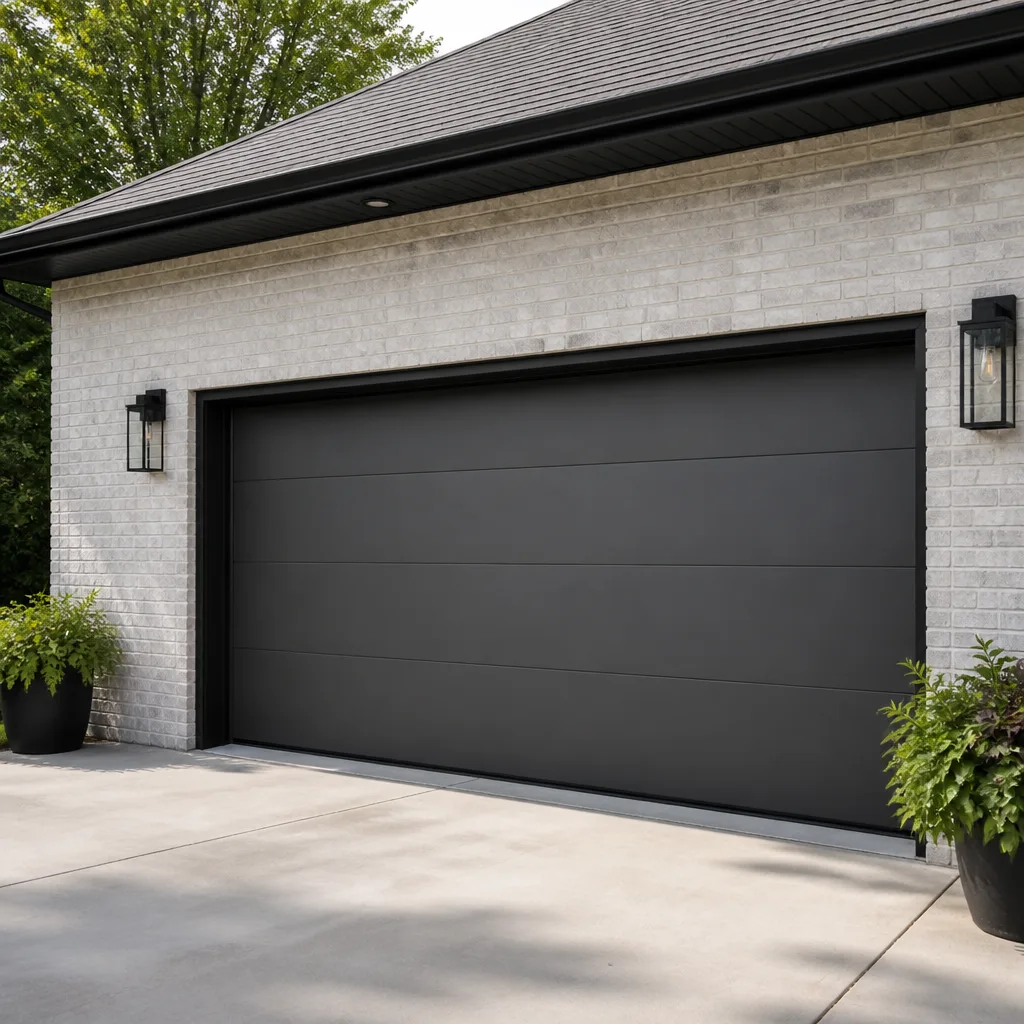 Modern flush
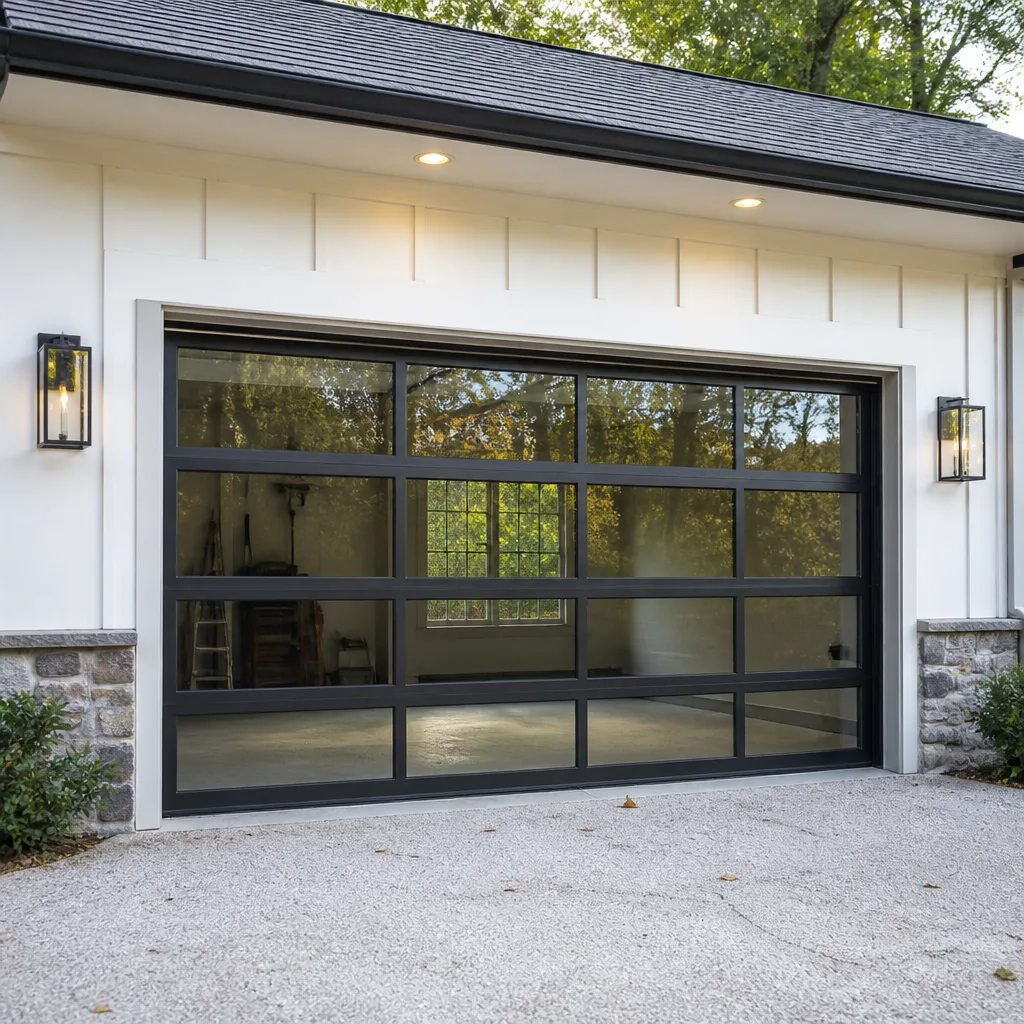 Full-view glass
 LiftMaster openers
 Chamberlain openers
Full 25-point door and opener safety check with every visit - springs, cables, rollers, tracks, and your LiftMaster or Chamberlain opener included
You get a price before we start. It does not change when the pro arrives.
Get your free estimateDIY vs Professional Garage Door: The Forest Hill Homeowner’s Decision Guide
A torsion spring stores roughly 100 foot-pounds of torque. That’s not a scare tactic – it’s physics, and it explains why one specific garage door repair sits on the short list of jobs where DIY is genuinely dangerous while most of the rest of the work isn’t. The internet tends to swing to one extreme or the other: “never touch your door” or “anyone can fix this in ten minutes.” Neither is honest. This guide draws the line precisely, task by task, so you know what’s safely within reach of an attentive homeowner and what needs a trained technician. You’ll also see how staging the work – doing the safe prep yourself and hiring out the risky parts – can lower the total bill without raising the risk. We’re writing this from Forest Hill, where the mix of older housing stock and newer construction shapes how these doors age.
Quick Answer
Most garage door maintenance is safe DIY work: rollers, weather seals, photo-eye alignment, and opener programming are all within reach of a careful homeowner with the right tools and a little research. The genuinely dangerous tasks are torsion spring replacement, cable replacement on a wound system, and any structural header work – those belong to a trained technician. For anything spring- or cable-related, stop and call a professional. Everything else, judge honestly against your tools, your time, and your comfort on a ladder.
Styles & brands we work with
- Raised-panel steel
- Carriage house
- Modern flush
- Full-view glass
- LiftMaster openers
- Chamberlain openers
Table of Contents
- The Danger Line: Which Garage Door Tasks You Should Never DIY
- What’s Genuinely Safe to DIY (With the Right Tools)
- Tools Required for Legitimate DIY vs. What’s Actually in Your Garage
- The Hidden Cost of a Botched Repair
- How to Stage the Work and Cut the Bill Without Adding Risk
- How Forest Hill Doors Age: Climate, Housing, and Wear Patterns
- A Task-by-Task Decision Matrix
- The Maintenance You Can Own Year-Round
The Danger Line: Which Garage Door Tasks You Should Never DIY
Three categories of work belong to trained professionals. This isn’t about skill – it’s about stored energy, load, and the consequences of getting it wrong.
Torsion spring replacement. A torsion spring holds the full weight of the door under tension. Releasing that tension requires specific winding bars, an understanding of how many turns the spring is wound, and physical control over a metal bar that can slip. A spring that lets go while someone is in its path can cause serious injury. This is the repair at the top of the “call a professional” list, and it’s the one where we most often see homeowners get hurt trying to save a bill.
Extension spring and cable work on a loaded system. Extension springs run along the tracks overhead. Cables run under tension from the springs to the bottom brackets. Both carry stored energy even when the door is down. Replacing a cable on a wound system means de-tensioning the springs safely first – a step that’s easy to skip and dangerous to skip.
Structural header work. When a door sags, tracks pull away from the wall, or the header above the opening shifts, the fix touches the framing of the house. That’s not garage door work anymore – it’s structural carpentry, and it affects the safety of the whole opening.
We’ve seen what happens when these jobs get attempted by well-meaning homeowners. The pattern is consistent: the repair looks manageable until the moment the tension releases. Spring repair done right requires training, the correct bars, and a second set of eyes. We handle garage door repair in Forest Hill with those precautions as a matter of routine. Our technicians have up to 13 years of experience, and the spring work is where that experience shows.
If your door is stuck open, hanging crooked, or making a bang when it moves, that’s a symptom of a tension problem. Don’t open and close it repeatedly to “see if it fixes itself.” Call a professional and keep people and vehicles clear of the door until someone looks at it.
What’s Genuinely Safe to DIY (With the Right Tools)
Most garage door maintenance is within reach of a careful homeowner. The key is honesty about your tools and your comfort on a ladder. These tasks involve no stored spring tension and no structural load.
- Roller replacement. Worn nylon rollers cause rattling, uneven travel, and premature wear on the tracks. With the door fully open (and the opener disconnected so it can’t move), rollers slide out of their hinges one at a time. A 30-minute job with a socket set.
- Weather seal swap. The rubber strip along the bottom of the door and the seals around the sides wear out and let in drafts. Replacement seals are cut to length and slide into the bottom retainer. Straightforward, and among the highest-value DIY tasks for comfort.
- Photo-eye alignment. If the door won’t close, the safety sensors at the bottom of the tracks are usually the cause. Wipe the lenses, check that both LEDs are steady, and adjust the brackets until they line up. A two-minute fix nine times out of ten.
- Opener programming. New remotes, keypads, and smartphone apps need to be paired to the opener. Chamberlain, Genie, and LiftMaster all publish clear pairing steps, and most modern openers walk you through it with a learn button and a couple of presses.
- Lubrication. A garage door needs a light coat of appropriate lubricant on hinges, rollers, and the torsion spring (if it’s a lubricated type) once or twice a year. Wrong lubricant is worse than none, so read the door manufacturer’s guidance first.
- Track bolt tightening. Loose track bolts cause noise and misalignment. Snugging them with a socket set is safe. Adjusting track position is not – that affects the door’s alignment and can cause it to bind.
Two rules for all of the above: never do this work with the door partially open and under spring tension, and never reach your hands into the space near the springs or cables. If a task requires you to touch a wound spring or a loaded cable, it’s on the danger line, not this list.
For opener-specific problems – won’t reverse, travels the wrong distance, remote stops working – that work often falls on the divide. Some of it is a programming reset you can handle. Some of it needs a technician. Our garage door opener repair service covers the whole range, so if you’re unsure which side of the line you’re on, a phone call sorts it out.
Tools Required for Legitimate DIY vs. What’s Actually in Your Garage
Most homeowners have about half the tools a garage door job actually calls for. That’s not a knock – it’s the reality of a typical Forest Hill garage. Here’s the honest comparison.
- Socket set (standard and metric). Almost every garage door bolt is a hex head. Most homeowners have one. In the garage: common.
- Adjustable wrench. Useful for tensioning bottom brackets and for holding a bolt steady while you turn a nut. In the garage: common.
- Stepladder, 6-8 feet. You’ll be reaching the top of the door and the opener rail. A sturdy ladder is non-negotiable. In the garage: common.
- Winding bars (two). Required for any torsion spring work. Purpose-made steel rods sized to the spring. In the garage: almost never. Most homeowners don’t own these, and this is exactly why spring work should go to a professional.
- Cable clamps and a come-along. Needed for safe cable work on a wound system. In the garage: almost never.
- Torque wrench. Useful for ensuring track bolts and bracket hardware are snug without over-tightening. In the garage: uncommon.
- Safety glasses and gloves. Spring and cable work generates flying metal debris. Even the “safe” DIY tasks deserve eye protection. In the garage: hit or miss.
- Door-specific lubricant. Silicone or lithium grease, not WD-40. In the garage: often the wrong product.
The tool gap tells the story. The tasks on the safe list need tools most people already have or can buy cheaply. The tasks on the danger list need winding bars, clamps, and a come-along that most homeowners will never own, and buying them for a single job usually costs more than the labor to have a technician do it. When the tools don’t line up, that’s not a reason to find a workaround. It’s a reason to call.
The Hidden Cost of a Botched Repair
A DIY repair that goes wrong rarely fails in a single visible way. It fails slowly, and it takes other parts of the door down with it. Two patterns come up again and again.
A misaligned track. When a homeowner adjusts a track to “fix” a rubbing door, the track is often moved a fraction of an inch out of plumb. The door still opens and closes, so the repair looks successful. But the door now rides unevenly, the rollers wear on one side, the opener strains harder, and within a few months you’re replacing rollers and possibly the opener itself. The original fix cost nothing. The follow-on repair costs more than the original service call would have.
A spring wound too tight or too loose. Residential torsion springs are wound to a specific number of turns based on the door weight and spring size. Too loose, and the opener does more than its share of the lifting – it burns out early. Too tight, and the door slams closed with too much force, straining the cables, brackets, and hinges. Either way, the door “works” after the repair. It just works for a shorter time, and the parts that fail are the expensive ones.
There’s a third pattern, quieter: a door that’s technically operational but unsafe. An improperly tensioned spring can defeat the opener’s safety reverse feature, which is designed to stop the door if it meets resistance. Many Forest Hill homeowners don’t test that reverse feature until something – or someone – gets caught. Testing it is a simple annual check: put a 2×4 flat on the ground under the door, close it, and confirm the door reverses on contact. If it doesn’t, that’s a technician call regardless of what caused it.
The real cost of DIY isn’t the tools or the time. It’s the compounding repairs and the safety margin you didn’t know you’d given up.
How to Stage the Work and Cut the Bill Without Adding Risk
The smart play isn’t “all DIY” or “all professional.” It’s a hybrid: do the safe prep yourself, hire out the risky parts, and time the work so the technician’s visit covers as much as possible.
- Identify the actual problem before you call. Listen to the door, watch it move, and write down what you observe – a bang, a stick, a rattle, a door that stops halfway. This makes the technician’s diagnosis faster, and faster diagnosis means a shorter visit and a lower bill.
- Knock out the safe tasks first. Replace worn rollers, swap the bottom weather seal, clean and align the photo eyes, and lubricate the moving parts. These are the cheap fixes that resolve the most complaints.
- Test the safety reverse and the balance. Disconnect the opener and lift the door halfway by hand. If it stays where you leave it and moves with modest effort, the springs are balanced. If it falls or fights you, that’s a tension problem – do not attempt to correct it.
- Get the dangerous work done in one visit. If you’re calling a professional for a spring, have them check the cables, rollers, and track while they’re there. Combining the visit often costs less than scheduling two separate service calls.
- Get the estimate in writing before work begins. Any legitimate garage door professional quotes the job and agrees the price with you before starting. If a quote changes once the door is apart, that’s a conversation – not an invoice surprise.
Here’s the honest math. If you do the ten-minute photo-eye adjustment and the twenty-minute roller replacement yourself, you save the call-out. If you try to save the spring repair, you’re risking the spring, the cables, the opener, and your own safety. Stage the work around that line, and you spend your money on the parts that actually need a trained hand.
When a replacement is in play rather than a repair – the door is beyond tune-up, the panels are cracked, the panels are out of production – that’s a different project altogether. Garage door installation is a measured, ordered, and scheduled job, not a same-day repair, so it’s worth a separate conversation once the immediate repair is settled.
How Forest Hill Doors Age: Climate, Housing, and Wear Patterns
Garage doors in Forest Hill age under four-season conditions. That matters for what wears first and what you can safely address yourself.
The annual freeze-thaw cycle is hard on the bottom weather seal. Snow and ice sit against the bottom of the door, and when they melt and refreeze, the rubber seal hardens and cracks. A worn bottom seal lets meltwater and cold air into the garage, and over several winters it can also damage the door bottom itself. Replacing that seal is a safe DIY job and one of the highest-value maintenance tasks for a Forest Hill homeowner.
Summer heat warps wood doors and stresses metal panels. Metal doors with insulated cores can delaminate at the bottom edge if moisture gets under the seal. The rollers take a beating year-round – dust, pollen, and road grit work their way into the roller bearings and cause noise and uneven travel. Those are replaceable on a Saturday morning in the driveway.
Older housing stock in Forest Hill presents another pattern. Doors from several decades ago often have extension springs rather than torsion, and the springs have been at load for a long time. Extension springs fail by snapping out to the side, which is why modern ones have a safety containment cable. If your door has extension springs, ask a technician to confirm the cables are intact – a failed containment cable doesn’t stop the door from working, but it defeats the safety feature.
Newer construction tends to bring short-panel and carriage-style doors that look great but have more moving parts. More panels means more hinges, more rollers, more adjustment points, and more places for a small misalignment to grow into a big one. Those doors need a bit more attention in the tune-up routine, and the tracker is a good tool for it.
A Task-by-Task Decision Matrix
Here’s the practical version of everything above, organized by task. Use this to sort your own to-do list.
| Task | DIY or Pro? | Why |
|---|---|---|
| Photo-eye alignment | DIY | No stored energy, easy reset, common cause of “won’t close” calls |
| Roller replacement | DIY | Door open, no tension involved, standard hand tools |
| Weather seal replacement | DIY | Cut-to-length strip, slides into retainer, no load |
| Opener programming (remote, keypad, app) | DIY | Manufacturer-published steps, reversible |
| Lubrication and track bolt snugging | DIY | Maintenance only, no adjustment of geometry |
| Safety reverse test | DIY | Simple, safe, and important – do it annually |
| Torsion spring replacement | Pro | Stored torque, requires winding bars, injury risk |
| Extension spring replacement | Pro | Stored tension, dangerous failure mode, containment cable involved |
| Cable replacement on a wound system | Pro | Requires safe de-tensioning first |
| Track alignment (position, not bolts) | Pro | Small adjustment creates secondary wear and opener strain |
| Header or structural framing work | Pro | Affects structural safety of the opening |
| Opener replacement or hard-wired repair | Pro | Electrical work plus door-specific calibration |
If a task isn’t on this list and you’re not sure where it falls, ask. A short phone call can save you a long afternoon – and sometimes a much larger repair. This is where a specialist pays off. Forest Hill Garage Door Repair works on the brands most of these doors actually are – Chamberlain, Genie, Clopay, Amarr, LiftMaster, Wayne Dalton, Craftsman, and Raynor – so the answer to “what do I do about my door” doesn’t start with a week of research. We’re familiar with the exact hardware already on your home.
The Maintenance You Can Own Year-Round
Most garage door problems don’t start as problems. They start as wear, and wear is something an attentive homeowner can catch early. Here’s a maintenance routine you can run yourself that will reduce the number of emergency calls you ever make.
- Once a month: Look at the door from a couple of angles while it’s closing. Does it travel smoothly, or does one side lag? Does it shudder? Watch the photo eyes – both LEDs should be steady green or whatever the manufacturer specifies. Test the reverse feature by placing a flat board under the door.
- Every three months: Lubricate the rollers, hinges, and torsion spring (if it’s the lubricated type). Use the door manufacturer’s recommended product, not a general-purpose spray. Snug any track bolts that have worked loose.
- Every six months: Check the weather seal along the bottom and sides. Squeeze it – if it’s brittle, cracking, or no longer springing back, replace it. Check the rollers for flat spots or loose bearings. Inspect the cables for fraying at the bottom brackets – and don’t touch the cables themselves.
- Every fall before the first freeze: Do the balance test – disconnect the opener and lift the door halfway by hand. Listen for the springs. Look at the door panels for new dents, warps, or cracks. If something changed, get it checked before winter.
The one thing you can’t maintain away is spring fatigue. Springs wear out on a predictable schedule based on cycles – how many times the door goes up and down per day, multiplied by the years of use. Once a spring loses tension, no amount of lubrication brings it back. That’s the call to a technician, and it’s the one where a fast response saves you the most trouble.
The emergency piece matters here. A broken tension spring leaves the door stuck, often hanging open or hanging down. That’s a security problem, not a convenience problem – your garage and whatever’s in it are exposed. Forest Hill Garage Door Repair offers emergency service for exactly this situation, and we treat it as a real availability commitment rather than a marketing line. A stuck door is a same-day concern, and we book it that way.
Common Mistakes to Avoid
- Trying to “help” the door with a pry bar or a come-along you don’t know how to use. A door under spring tension needs controlled release, not leverage. This is how the majority of home garage door injuries happen.
- Buying generic spring replacements online and installing them wrong. Door weight and spring size have to match, and the winding has to match the size. A mismatched spring “works” for a few months and then fails under strain.
- Adjusting the track to stop a rubbing noise without checking alignment. A small track move fixes the noise but creates uneven travel that eats rollers and strains the opener. If the track has moved, it’s worth having it checked rather than nudged.
- Ignoring a door that reverses for no reason, then “fixing” it by removing the safety sensors. Never disable the photo eyes. They exist to stop the door on contact with a person, pet, or object. A door that reverses without contact needs diagnosis, not a workaround.
- Using a general handyman for a spring job. A skilled generalist still isn’t a garage door specialist. Spring work requires specific tools and specific experience – it’s a named specialty for a reason, and a generalist’s toolbox rarely has what the job calls for.
- Waiting until the door won’t close to do any maintenance. Forest Hill doors get a workout year-round, and the small stuff – worn seals, tired rollers, loose bolts – is what becomes the emergency if it isn’t tended to.
- Assuming the written estimate and the final invoice will match if you didn’t get the estimate in writing. The written quote is the price. If a shop won’t put it in writing, that’s the whole answer.
See the difference
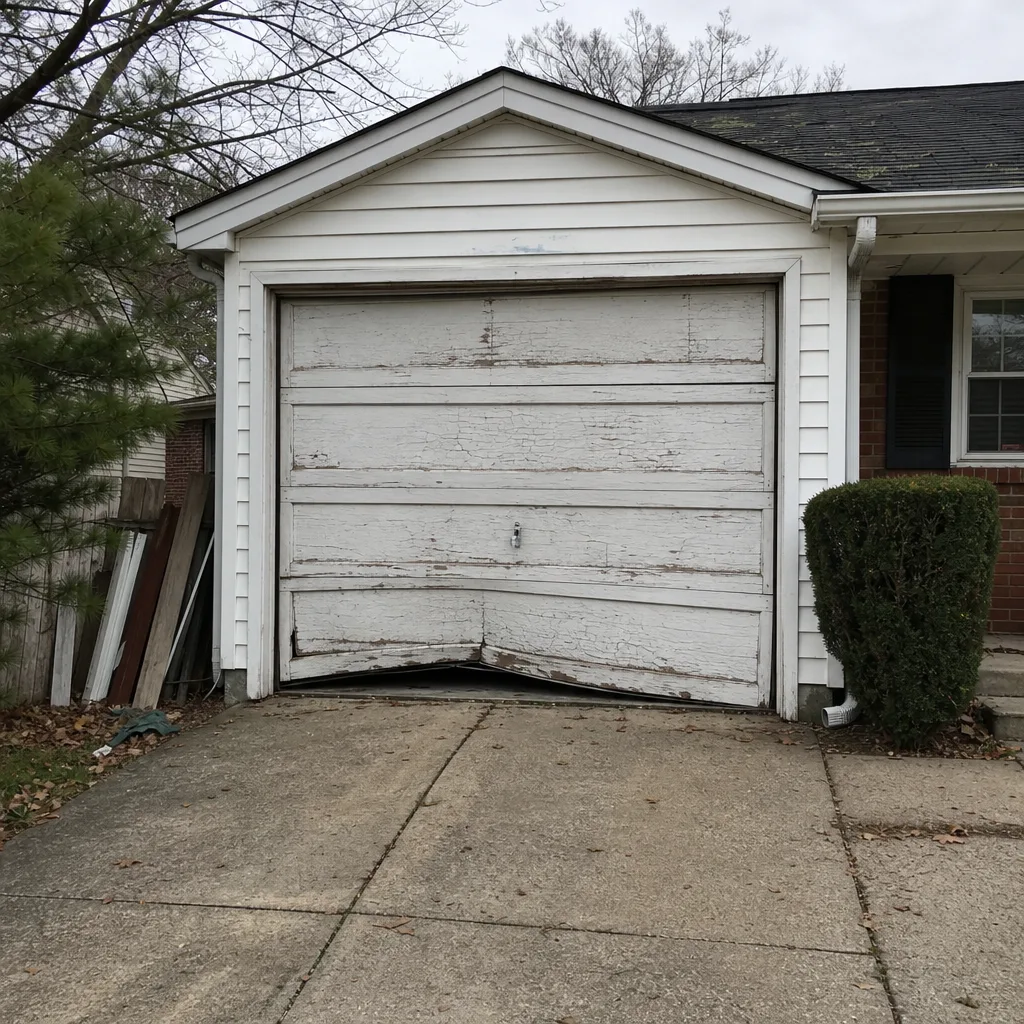 Before
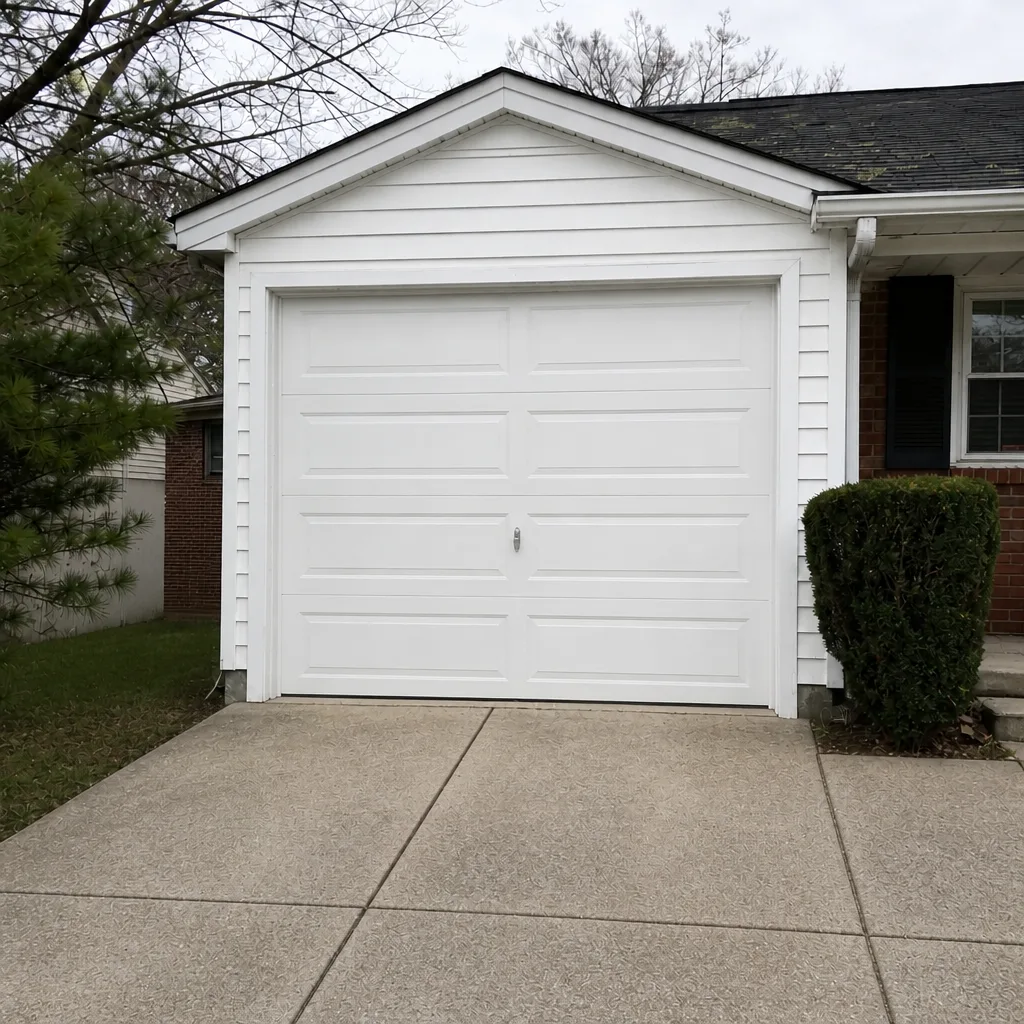 After
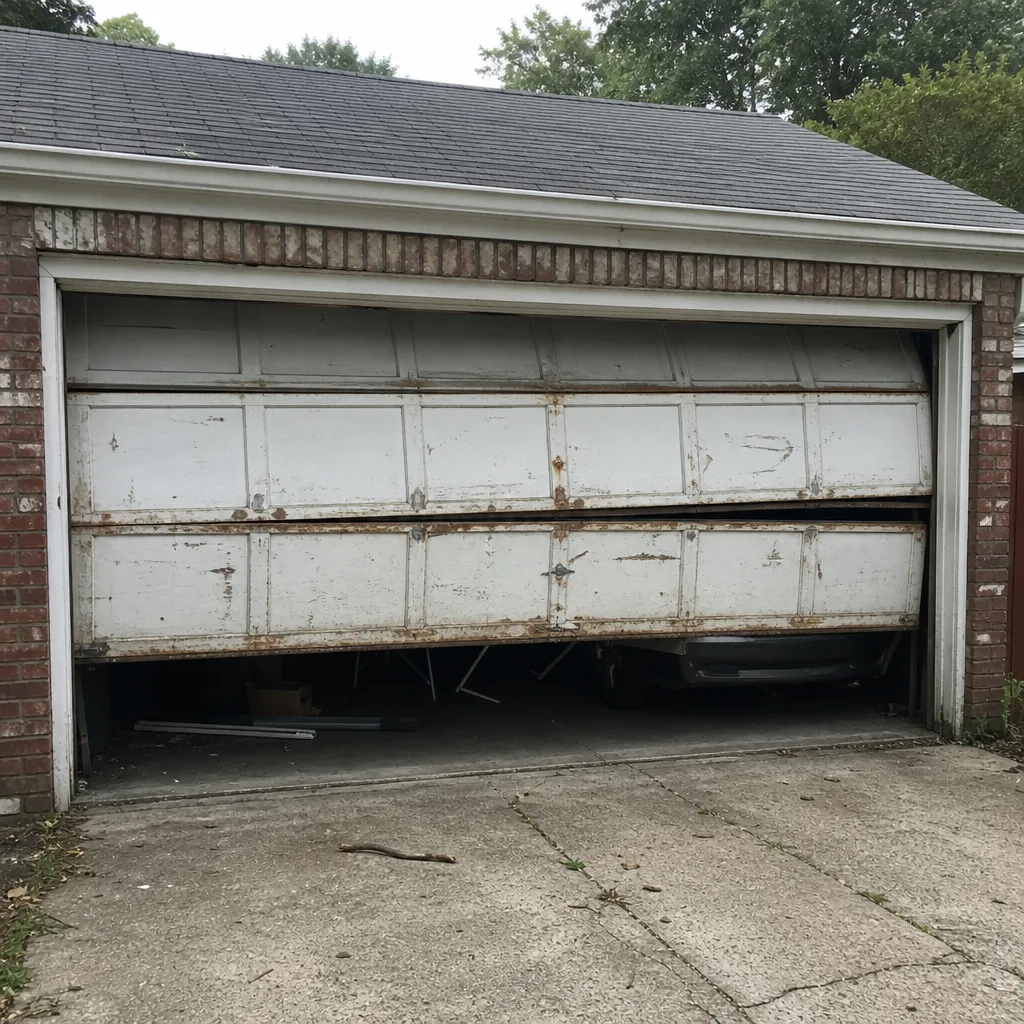 Before
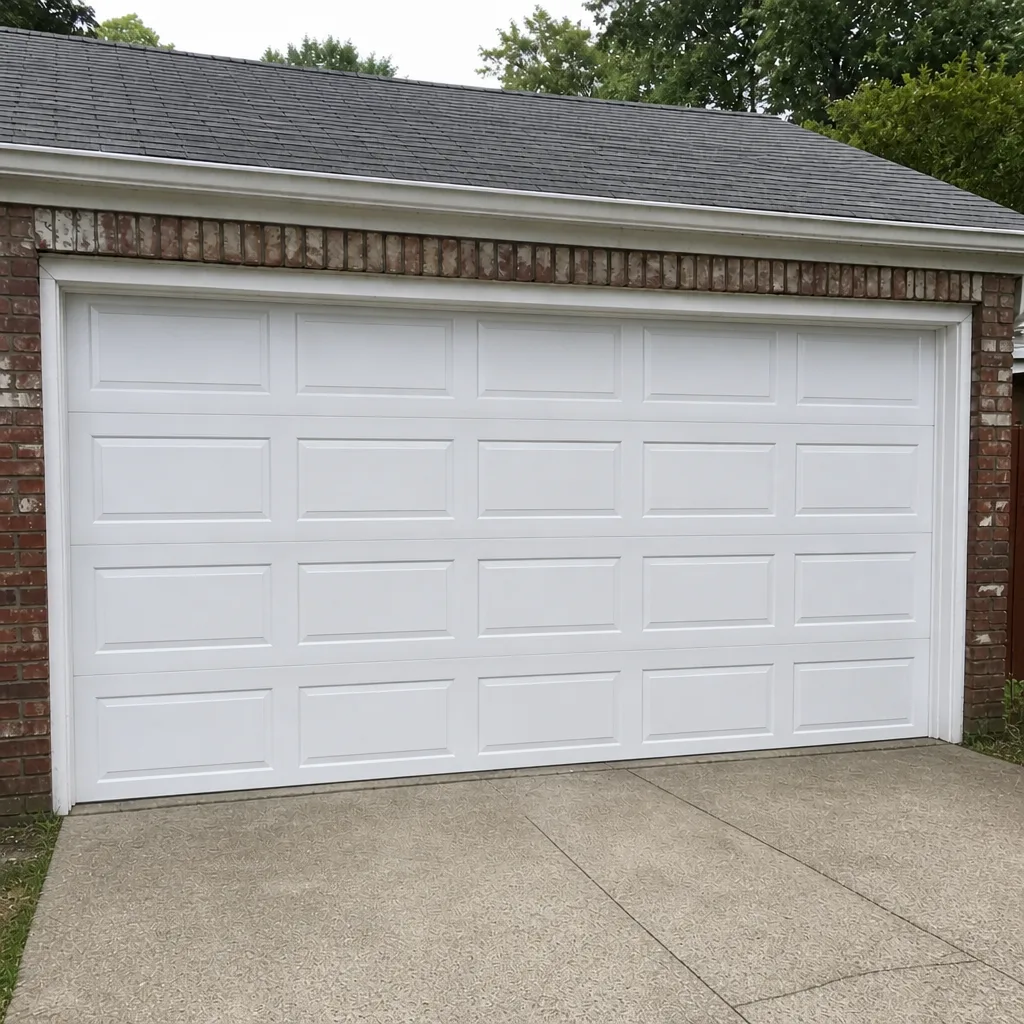 After
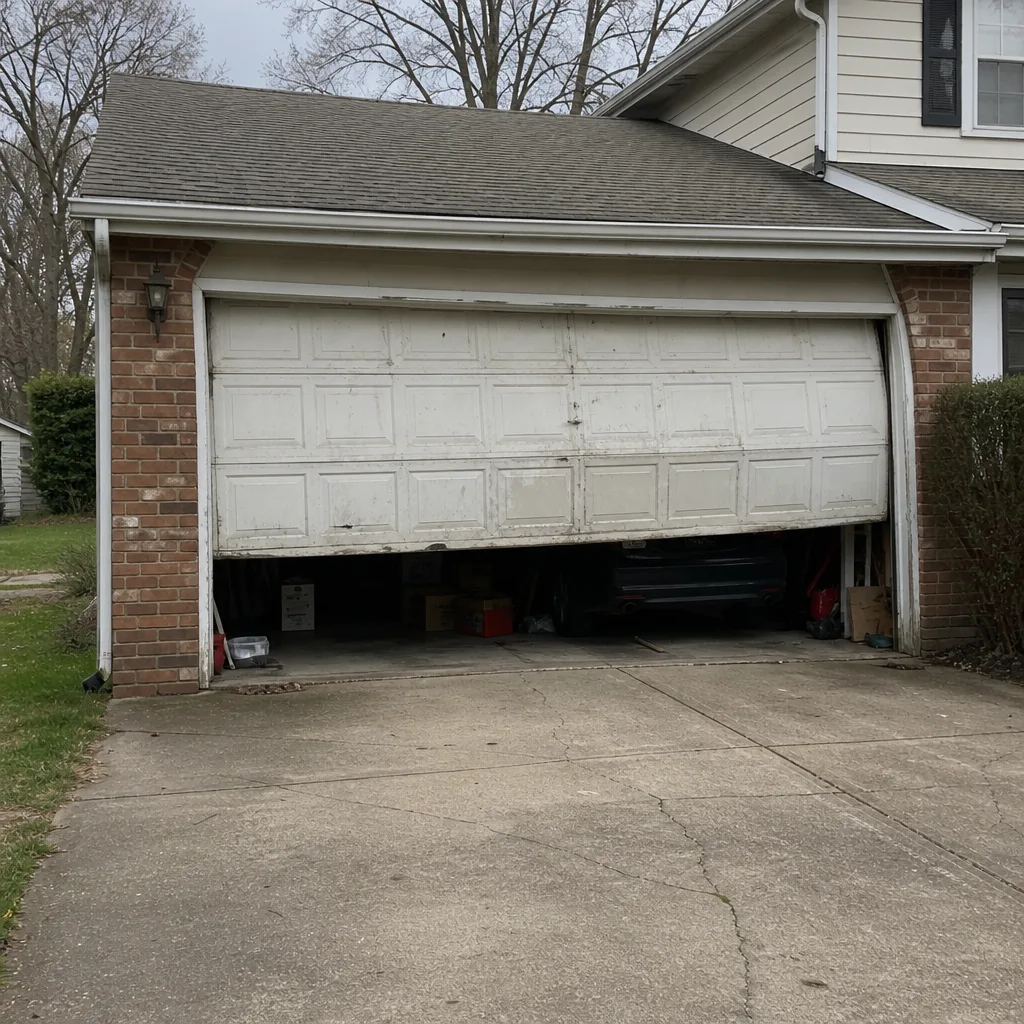 Before
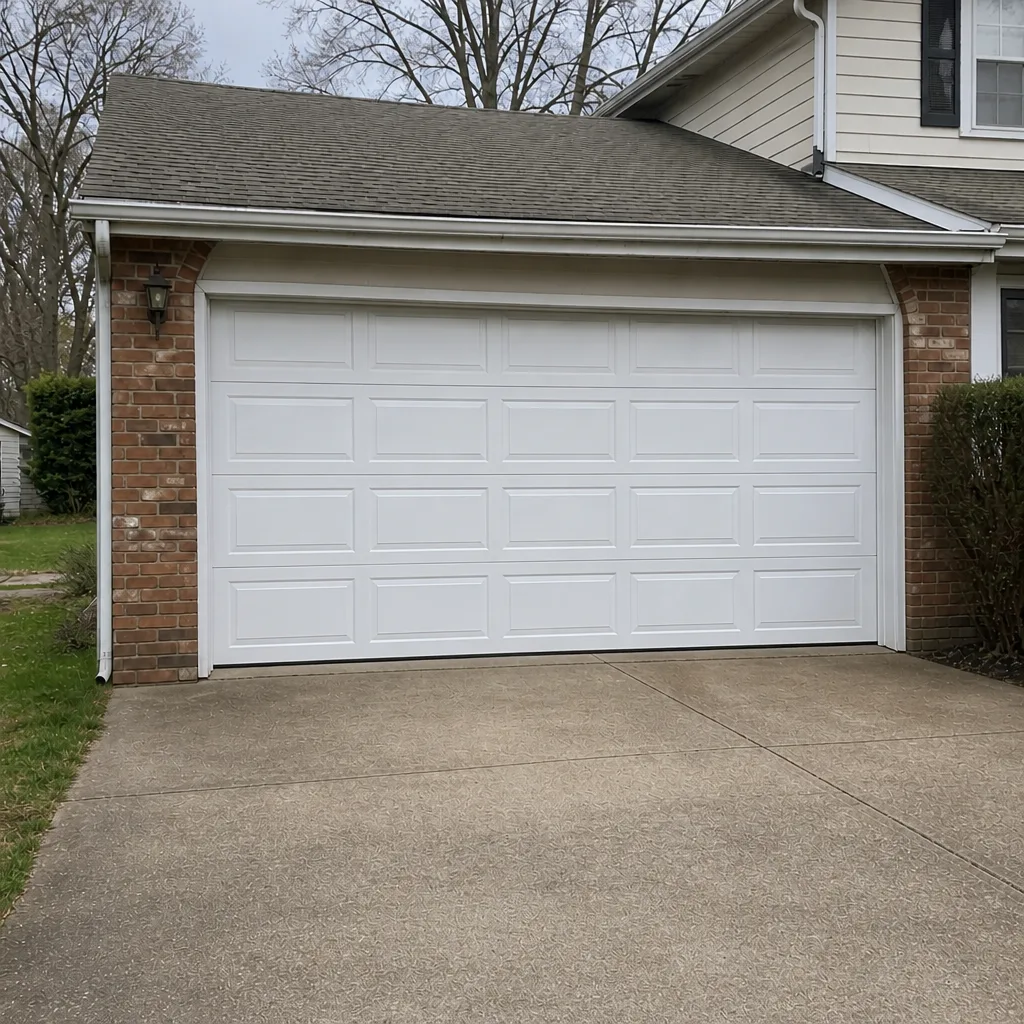 After
When to Call a Professional
Call a professional when the door involves stored spring tension, when a cable is loaded, when the door has shifted in the opening, or when the opener needs replacement or hard-wired repair. Call sooner if the door is stuck open, hanging crooked, or made a loud bang when it moved – those are signs of a failure you shouldn’t test by cycling the door. Call immediately if a person or vehicle is stuck under or behind the door. Beyond emergencies, get a professional involved if you’re unsure which side of the line a task falls on. Forest Hill Garage Door Repair offers free estimates in Forest Hill – call (877) 492-2570. A short visit and a written quote is the answer to more “should I try this myself?” questions than any amount of internet searching.
For the full picture of what we handle, start with Forest Hill Garage Door Repair and see how the services fit together. If the door is well past the point where repair makes sense, the honest conversation is about replacement – and that’s a measured, ordered job rather than a same-day fix, so it’s worth discussing before the current door gives out completely.
Frequently Asked Questions
No – not safely. Torsion and extension springs store enough energy to cause serious injury when released incorrectly, and proper replacement requires winding bars, correct spring sizing, and controlled tension release. This is the one garage door task where DIY risk isn’t worth the savings. Call a professional. In Forest Hill, we handle spring repair as a routine part of our work – call (877) 492-2570 for a free estimate.
Cost depends on the part and the problem, and we quote each job individually with a written estimate before work begins. The written estimate sets the final price – not a range on a website. For an exact quote on your door, call (877) 492-2570. Estimates are free.
Yes, with a caveat. Roller replacement is safe when the door is fully raised and the opener is disconnected, so the door can’t move while you’re working. Use a socket set to remove the old roller and slide in the new one. Don’t adjust the track or the bottom brackets while you’re at it – those involve stored tension and affect alignment.
For emergencies – a broken spring, a door stuck open, a snapped cable – we offer emergency garage door service, and that’s often a same-day job. Standard repairs are usually booked quickly as well. Installation and replacement follow a different schedule because the door has to be measured and ordered. Call (877) 492-2570 to find out what’s available for your door.
It’s usually the photo-eye safety sensors. If they’re misaligned, clouded by dust, or something is blocking the beam, the door will close partway and reverse or stop. Wipe both lenses, check that the LEDs on both sensors are steady, and confirm nothing is in the beam’s path. If alignment and cleaning don’t fix it, the sensors or the opener’s logic board may need a technician – our garage door opener repair handles that diagnosis for Chamberlain, Genie, LiftMaster, and other major brands. Call (877) 492-2570 for a free estimate.
The local professionals we connect you with are licensed and insured as their state requires, and we can confirm those details before your appointment. You’ll always get a written estimate and agree the price before any work starts. Our technicians have up to 13 years of experience. Call (877) 492-2570 with any questions before booking.
The Bottom Line
The DIY vs. professional question comes down to one line: stored spring energy. Above that line, most garage door maintenance is safe, cheap, and satisfying to knock out yourself – rollers, seals, sensors, opener programming, lubrication. Below it, spring work, cable work on a wound system, and structural framing need a trained technician with the right tools, and no amount of online research makes that safer. Stage the work accordingly: do the prep and simple fixes yourself, hire out the dangerous tasks, and get a written quote before any work starts. A Forest Hill door gets four-season wear, so a little monthly attention prevents most of the emergencies. When the work crosses the line, call a specialist. Forest Hill Garage Door Repair offers free estimates – call (877) 492-2570 for yours.
Written by the team at Forest Hill Garage Door Repair.