Last updated November 21, 2026
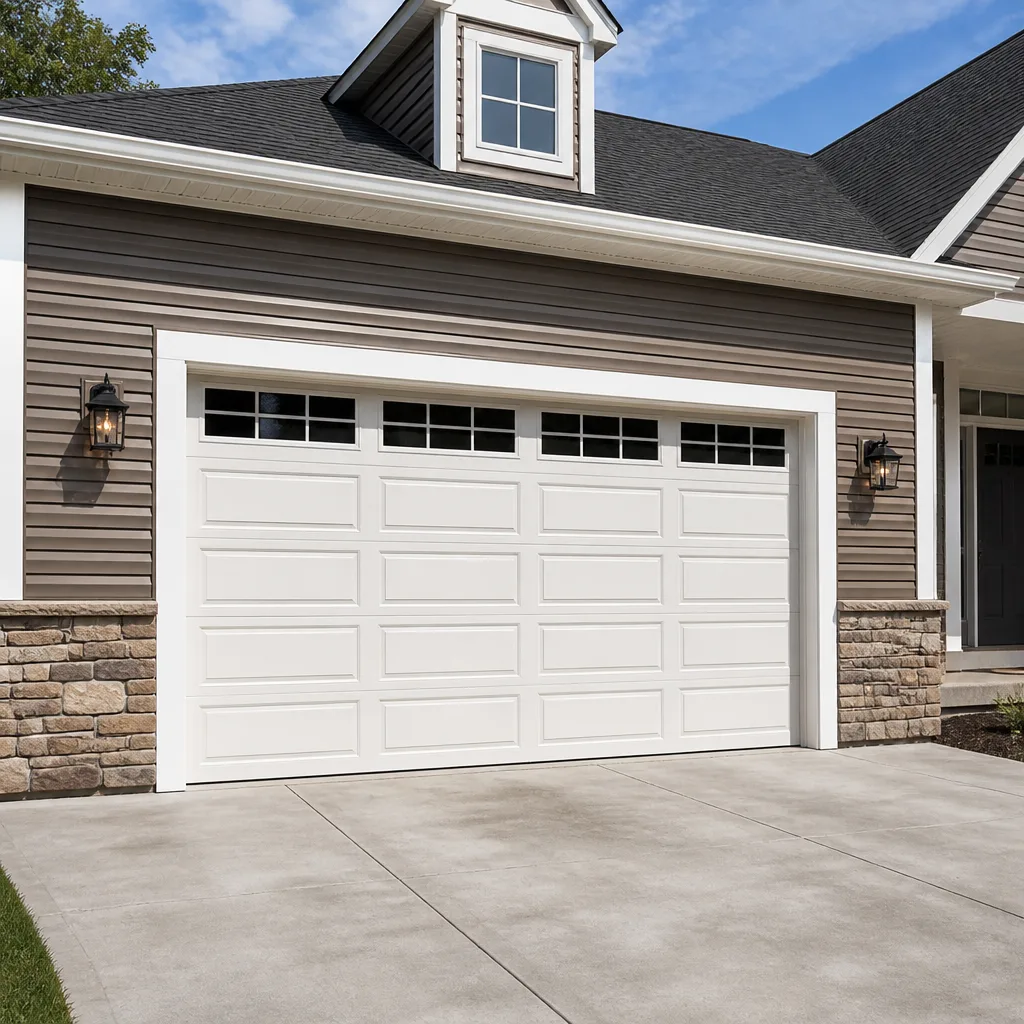 Raised-panel steel
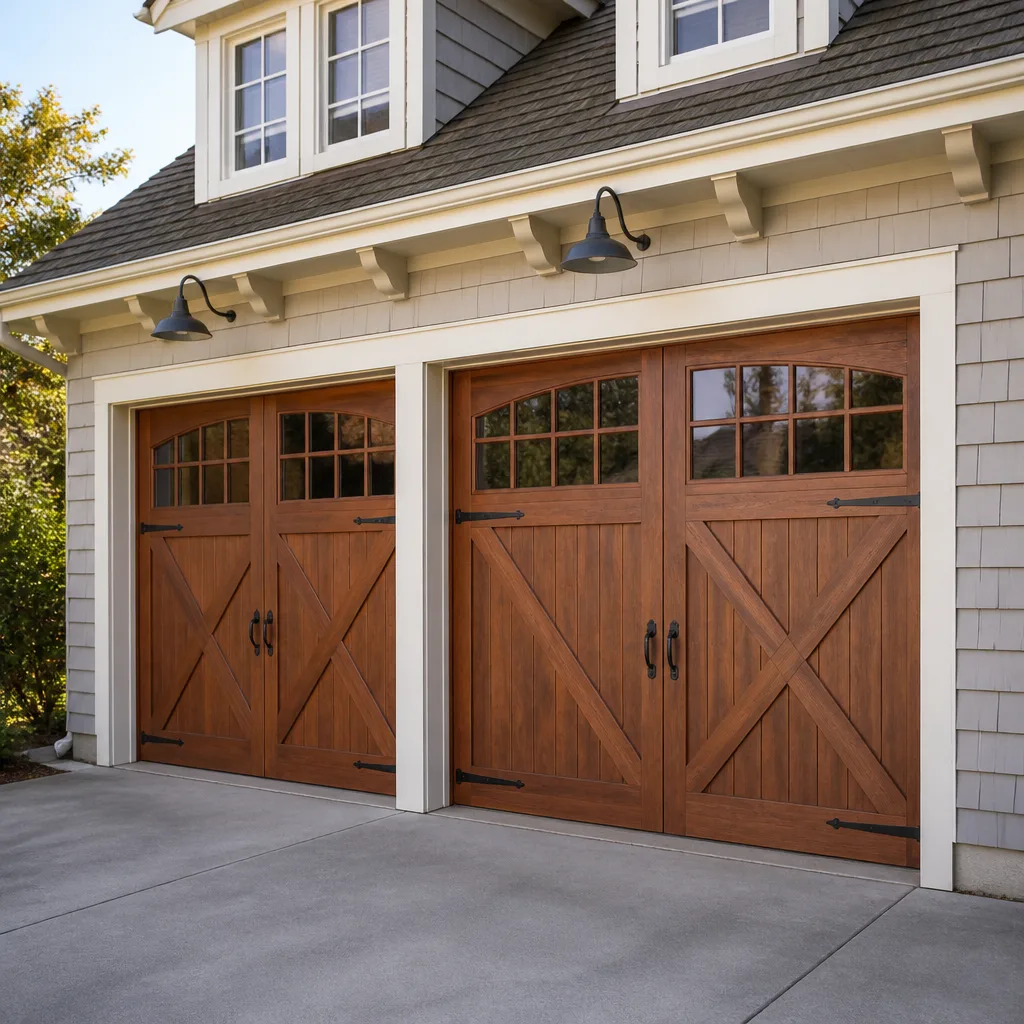 Carriage house
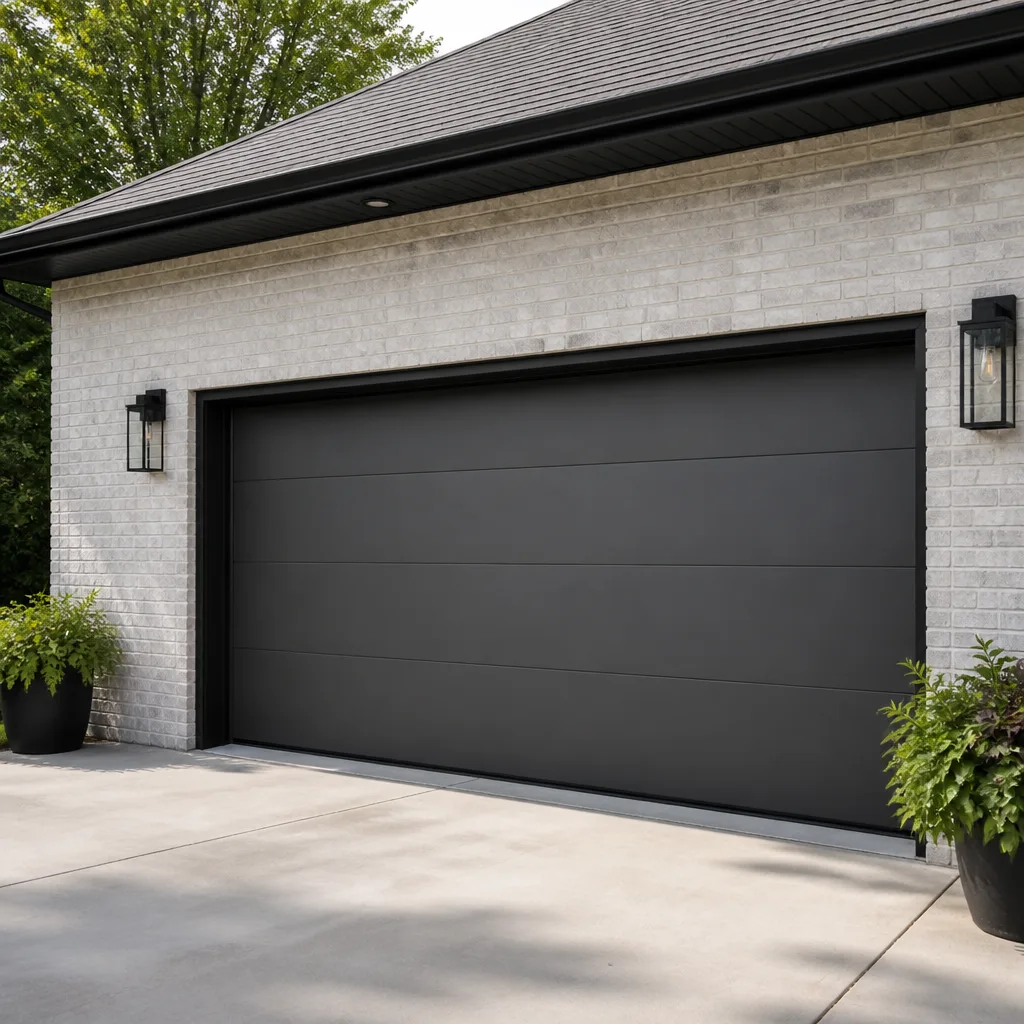 Modern flush
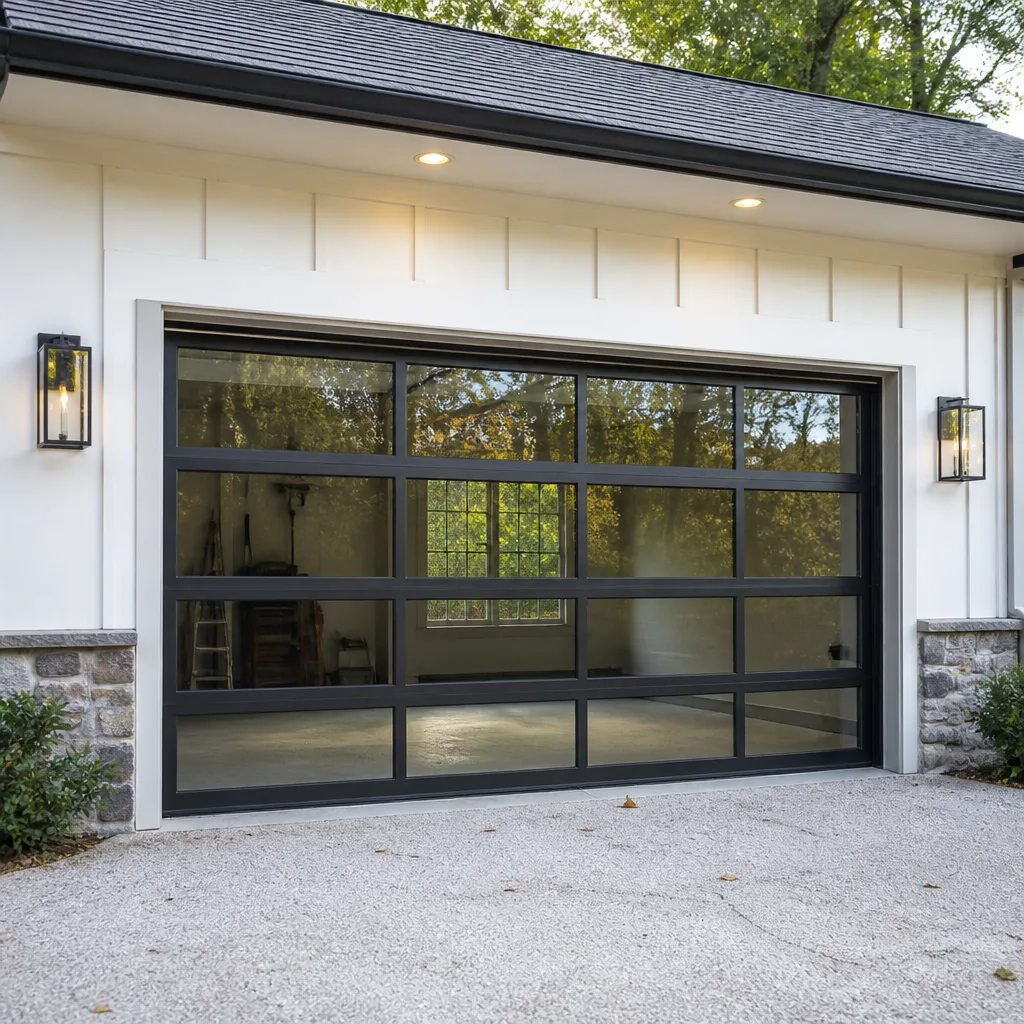 Full-view glass
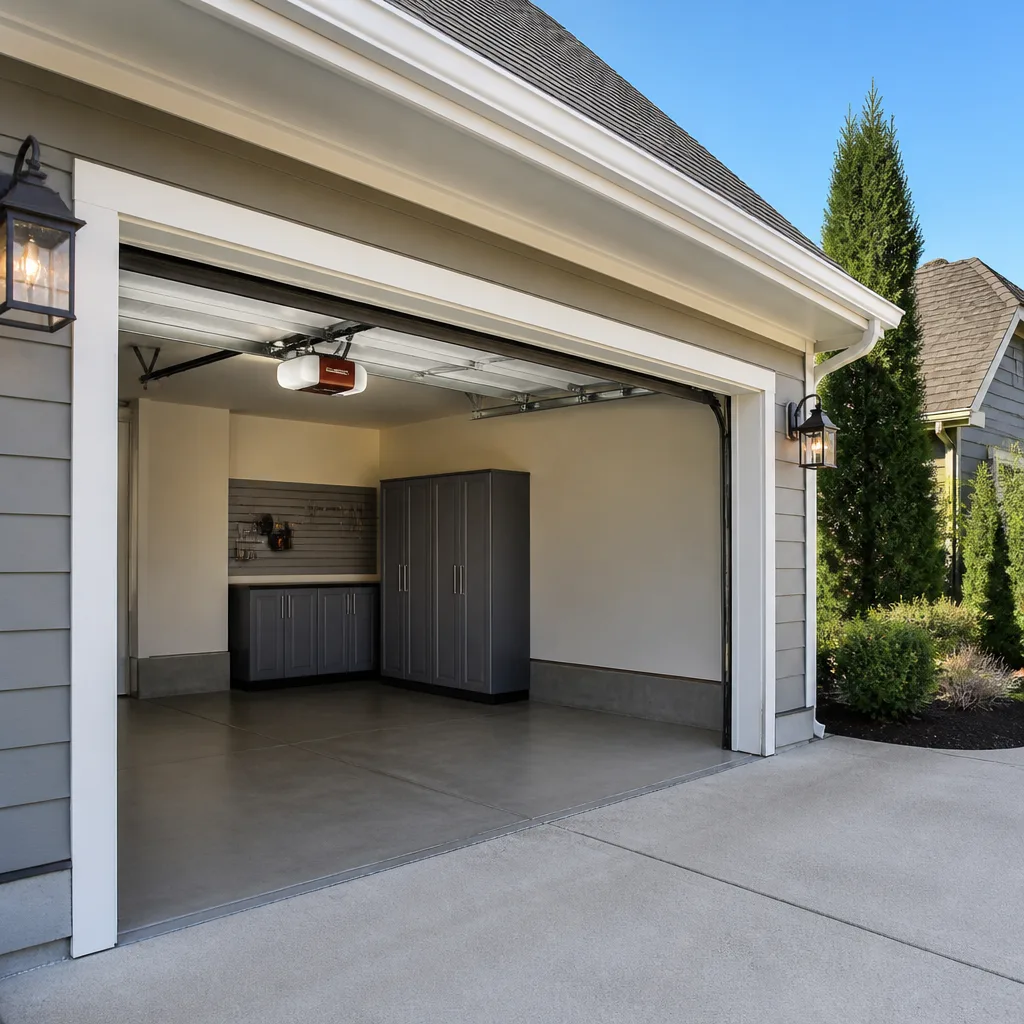 LiftMaster openers
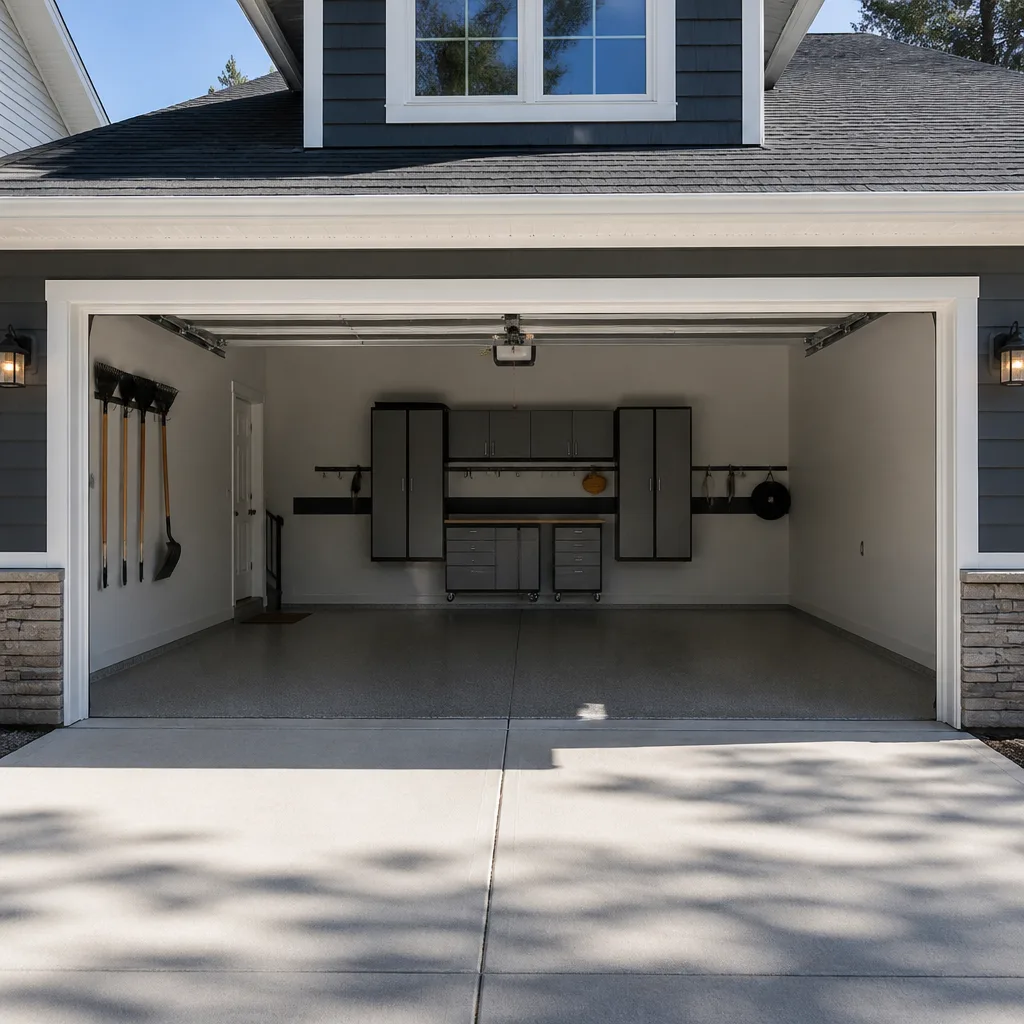 Chamberlain openers
Full 25-point door and opener safety check with every visit - springs, cables, rollers, tracks, and your LiftMaster or Chamberlain opener included
You get a price before we start. It does not change when the pro arrives.
Get your free estimateThe Complete Guide to Garage Doors in Forest Hill
A garage door that sells without a second thought in Arizona can warp, rust at the hinges, and start binding within a few winters in Forest Hill. Wood panels soak up a wet North Jersey summer and then crack when the January thaw refreezes overnight. Steel skins pit where road spray sits against the bottom section. Yet most buying guides online don’t mention regional climate once. They list materials, quote national averages, and leave you to guess. This guide slows that down. We’ll walk through how Forest Hill’s humidity and freeze-thaw cycles shape material choice, which brands are actually common on local homes, how sizing works on older lots, and how to read a quote so you’re comparing the same job to the same job.
Quick Answer
The best garage door for a Forest Hill home depends less on brand hype and more on matching material to this climate, sizing to your actual rough opening, and opener to what’s already wired. Steel in a heavier gauge, a wood composite over real wood, and aluminum where weight matters are the practical choices; quality openers from LiftMaster, Chamberlain, Genie, and Craftsman cover most homes. The written estimate, not a phone number, sets the final price.
Styles & brands we work with
- Raised-panel steel
- Carriage house
- Modern flush
- Full-view glass
- LiftMaster openers
- Chamberlain openers
Table of Contents
- How Forest Hill’s Climate Affects Garage Door Materials
- Which Garage Door Brands Are Common in Forest Hill?
- Standard Sizing and Retrofit Realities for Forest Hill Homes
- Full Replacement vs. Panel Swap vs. Hardware Overhaul
- Choosing an Opener: Legacy vs. Smart Systems
- How to Read a Garage Door Quote Line by Line
- Repair or Replace: When Each Makes Sense
- What Garage Door Work Typically Costs in Forest Hill
How Forest Hill’s Climate Affects Garage Door Materials
Forest Hill sits in the part of North Jersey that gets four honest seasons, and the swing between a humid July and a frozen February is what breaks doors. The freeze-thaw cycle is the real culprit. Water gets into a seam, a joint, or the bottom of a panel, freezes overnight, expands, and pushes the material apart. Do that a few dozen times and wood splits, paint flakes, and steel starts to rust from the inside out. Humidity does its own slow work the rest of the year, swelling wood and softening some composites.
Here’s how the common materials hold up in this climate:
- Steel – the most common choice locally, and the right call for most homes. What matters is gauge and finish quality. A lighter-gauge door dents and dings easily and the finish can fail over time in a wet climate. A heavier-gauge steel door with a proper factory finish resists moisture far better. Where cosmetic dents from kids, bikes, and errant cars are a real concern, steel with a good backing holds up.
- Wood composite – engineered wood looks like wood, resists moisture much better than real wood, and doesn’t need repainting on the same cycle. For Forest Hill homeowners who want the wood look without the annual upkeep, this is usually the smarter pick.
- Real wood – beautiful and traditional, but it’s the highest-maintenance option in a North Jersey climate. Real wood needs sealing and repainting, and it’s vulnerable exactly where moisture collects: the bottom section and the end grain. If you choose it, budget for upkeep, not just installation.
- Aluminum – light and rust-resistant, a good fit for larger openings where weight matters. It dents more easily than heavier steel, so it’s less forgiving on a busy double-car door.
Whichever you choose, the insulation and the bottom seal matter as much as the skin. A good bottom seal keeps water and cold air out of the opening, which helps the door and the room behind it. That’s the kind of detail a specialist checks during a proper measure.
Which Garage Door Brands Are Common in Forest Hill?
The brands that show up most often on Forest Hill homes are the ones installed widely across North Jersey for years: Clopay, Amarr, Wayne Dalton, and Raynor on the door side, and LiftMaster, Chamberlain, Genie, and Craftsman on the opener side. There’s a practical reason this matters. When a technician already knows the exact hardware, the repair is faster and cleaner. When parts have to be special-ordered because the brand is uncommon, a simple fix turns into a wait. Familiarity with a brand is a real advantage, not a marketing line.
We work on equipment from all eight of these manufacturers. That’s a deliberate focus, not a long menu. Each brand has its own quirks: how sections connect, how springs mount, how the opener’s logic board behaves when it ages. A technician who works across LiftMaster and Genie openers and Clopay and Wayne Dalton doors recognizes a problem quickly because they’ve seen it before on the same equipment.
What about a brand outside that list? It’s worth asking before assuming anything. We don’t claim to service every manufacturer on the market, and it’s better to confirm than to promise. When you call about a Raynor door or a Craftsman opener, tell us the brand on the label, and we’ll tell you straight whether it’s a fit for us. Straight answers early save everyone a wasted visit.
Parts availability is the other half of this. A door that’s common locally tends to have common parts. That means hinges, rollers, cables, and spring sizes are easier to source when something lets go. It’s one reason we lean toward recommending the brands that are already well-represented on Forest Hill streets, and why a brand-new, hard-to-source door isn’t a bargain if it’s hard to repair down the line.
Standard Sizing and Retrofit Realities for Forest Hill Homes
The most common mistake in garage door planning is assuming a standard size fits. Forest Hill has a mix of older homes and newer construction, and the older lots often carry rough openings that don’t match the tidy numbers on a showroom wall. Two single-car garages side by side can have measurably different openings. The measure happens on site, not over the phone, because that’s the only way to know what you’re actually working with.
Common single-car openings run roughly nine feet wide and seven feet tall, though plenty of local homes are narrower or taller. Double-car openings are often in the sixteen-foot range, but again, older construction varies. On top of the width and height, a proper measure accounts for:
- Headroom – the space above the opening, which decides how the door travels and whether a standard-travel or low-headroom setup is needed.
- Side clearance – the room beside the opening for the track and hardware.
- Backroom – how far the door travels into the garage before it clears.
- Header condition – whether the framing above the opening is solid and square.
- Subfloor and sill level – because a door that seals on one side and gaps on the other lets in water and cold.
The retrofit headaches cluster around older homes. If a homeowner previously had a wood door and wants a heavier insulated steel door, the opener and springs may need to be upsized to carry the new weight. If the framing has shifted over the years, the new door gets shimmed and squared to the opening, not just dropped into the old holes. None of this is dramatic, but it’s why the measure and the written estimate go together. We’d rather find the surprise before the door arrives than during the install.
Full Replacement vs. Panel Swap vs. Hardware Overhaul
Not every problem needs a new door. The right answer depends on where the damage is and how much of it there is. Here’s how we frame the decision.
A panel swap makes sense when the door’s structure and mechanism are otherwise sound, but one or more sections are damaged. A backed-into bottom panel, a set of dents in the middle of a tired door, or a section that took damage in a storm can often be replaced on its own while the rest of the door stays. The catch is matching. Older doors may not have a section still in production, and colors fade. A panel swap works best when the section can be sourced and the color still blends.
A hardware overhaul is the right call when the door itself is fine but the moving parts are worn. Rollers that grind, hinges that rattle, cables that have frayed, and a track that’s bent from an impact all fall here. Replacing the hardware on a sound door extends its life and is often less costly than a full replacement. This is where good diagnostics matter, because the cheapest path through a noisy door is usually the one that fixes the specific worn parts rather than replacing everything.
A full replacement is the honest answer when the door is structurally failing: multiple damaged sections, a wood door that’s rotting out, a mechanism that’s past repairing, or a homeowner who wants a different look and function. Full replacement is also the moment to solve the climate question in one go with a properly insulated, well-finished door.
The key is to have someone look at the door and tell you which of these you actually need. In our experience, the most expensive mistake is a full replacement when a hardware overhaul would have done the job, or a panel swap on a door whose underlying structure is already gone. A garage door repair visit should start with diagnosis, not a sales pitch.
Choosing an Opener: Legacy vs. Smart Systems
The opener is the part of the system most likely to be upgraded on its own, and the one where the technology has moved the fastest. Forest Hill homes carry a lot of legacy openers, belt-drive and chain-drive systems from Craftsman, Genie, LiftMaster, and Chamberlain that have run reliably for a long time. They’re not obsolete. A well-maintained older opener can be repaired and keep working. But when it finally gives out, the choice between repairing the old one and moving to a connected system is worth thinking through.
Legacy openers are simple and repairable. The tradeoff is convenience features that have become standard. Smart and connected openers, mostly from Chamberlain and LiftMaster, add app control, phone alerts when the door opens, and quiet belt drive on many models. If you want to open the garage for a delivery or check it’s closed from your phone, that’s the reason to upgrade.
Two practical notes. First, an opener is matched to the door. A heavier, insulated door may need a stronger opener than a light aluminum one, so the two decisions belong together. Second, if the opener only needs a part, a proper garage door opener repair is often the cheapest route. Tell us the brand and what it’s doing. If it’s one of the eight we service, we’ll know what’s likely wrong before we arrive.
How to Read a Garage Door Quote Line by Line
Two quotes for “a new garage door” can differ by thousands of dollars and neither one is lying. The difference is usually what’s included. The way to compare apples to apples is to read every line, because a low number that excludes the opener, springs, and haul-away isn’t cheaper. Here’s what a complete written estimate should show:
- Door model and material – brand, model, gauge or material, insulation level, and color or finish. If it just says “steel door,” that’s not specific enough to compare.
- Sizing – the actual measured width and height, not a nominal size. This is where retrofit costs hide.
- Springs and hardware – whether new springs, tracks, rollers, and hinges are included, and what type of springs. Torsion springs cost more than extension springs and are worth the difference on most doors.
- Opener – included or excluded, and if included, which model. A strong door on a tired opener isn’t a finished job.
- Removal and disposal – hauling off the old door is labor and often a line item. Ask.
- Labor and any framing or trim work – if the opening needs framing or trim repair, that’s separate work and should be stated.
- Warranty – what’s covered and for how long, on parts and on the installation.
Most important: the price is quoted and agreed before any work starts. A written estimate is the number you should be able to hold the final invoice to, barring something the measure genuinely couldn’t have caught. When a garage door installation is the plan, the free measure and written price come first, and scheduling follows. That sequence protects you.
Repair or Replace: When Each Makes Sense
A garage door is a system, and a good decision fixes the right part. Replacing a whole door to solve a single snapped cable wastes money. Trying to repair a door that’s structurally gone wastes more. Here’s how we sort it out.
Repair makes sense when the door panels are sound and the problem is mechanical: a broken spring, a frayed cable, worn rollers, a bent track, or an opener fault. These are fixable and often same-day. Emergency service is real for this reason. A door stuck open or hanging at an angle is a security problem right now, not next week. If a door fails and can’t wait, we can respond, and we’re closed on Saturdays, so a weekend problem gets booked for Sunday.
Replacement makes sense when the structure is failing, the door is old and mismatched with the home’s needs, or a homeowner wants a different material and a better seal. Replacement is planned work: it’s measured, ordered, and scheduled, not rushed.
A quick rule for the reader:
- Is the door stuck, hanging, or not opening at all? That’s emergency territory. Call and tell us what’s happening.
- Is one panel damaged but the door otherwise fine? A section swap is worth pricing.
- Is the door noisy, jerky, or grinding? That’s usually hardware, and a repair often fixes it.
- Are multiple sections damaged, or is the door wood and rotting? Replacement is likely the honest answer.
We don’t outsource the hard calls. High-tension spring work is done in-house because it needs the right training and the right tools. Springs are stored-energy components, and a mistake can cause serious injury. That’s not a job for a generalist.
What Garage Door Work Typically Costs in Forest Hill
Every job is different, so a guide like this one gives typical estimated ranges rather than a single number. The written estimate sets the final price, and that estimate is free and comes after a proper measure. Use these ranges to frame expectations, not as a quote.
- Single broken spring – a typical estimated range for one spring. A matched pair is usually replaced together, so a pair costs about twice the one-spring range.
- Cable, roller, or hinge repair – generally a modest repair, priced per job after diagnosis.
- Panel swap – priced by section and availability; matching an older door can affect the number.
- Hardware overhaul – quoted as a package once the technician sees what’s worn.
- New opener, installed – varies by model and whether a smart or legacy unit is chosen.
- Full new door, installed – the widest range, driven by size, material, insulation, and whether the opener is included.
The way to get an exact number is to call and set up a free measure. If you want the bigger picture, our guide to Forest Hill Garage Door Repair lays out the full service picture, and you can add that context to what you’re reading here.
Common Mistakes to Avoid
- Choosing material on curb appeal alone. A real-wood door that looks great in a showroom photograph may need annual sealing in North Jersey humidity, while a composite gives a similar look with less upkeep. Match the material to how much maintenance you’ll actually do.
- Buying on national price averages. Ranges you read online are often national and don’t reflect local sizing and labor. Always get a written estimate for your actual door.
- Skipping the measure. A door ordered on a “standard” size can arrive wrong for an older Forest Hill opening. The measure comes first, always.
- Mismatching opener to door. A heavier insulated door on a light-duty legacy opener strains the motor and shortens its life. They should be chosen together.
- Touching springs yourself. High-tension springs are under enormous stored force. This is not a homeowner repair and not a task for a general handyman.
- Comparing quotes with different line items. A quote that excludes haul-away, springs, or the opener isn’t cheaper; it’s incomplete. Compare the contents, not just the total.
- Assuming an uncommon brand is easy to repair. A door from a brand with thin local support can mean special-ordered parts and longer waits. It’s worth confirming before you buy.
See the difference
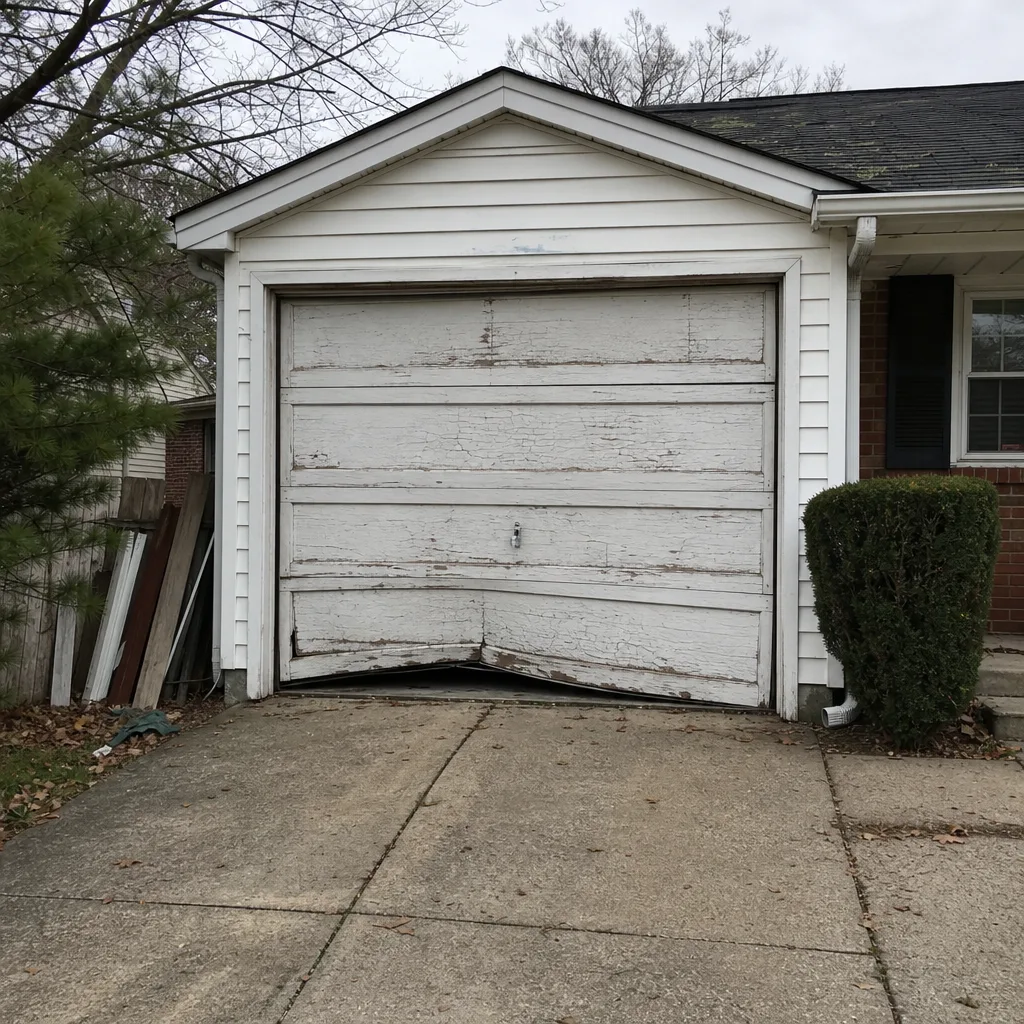 Before
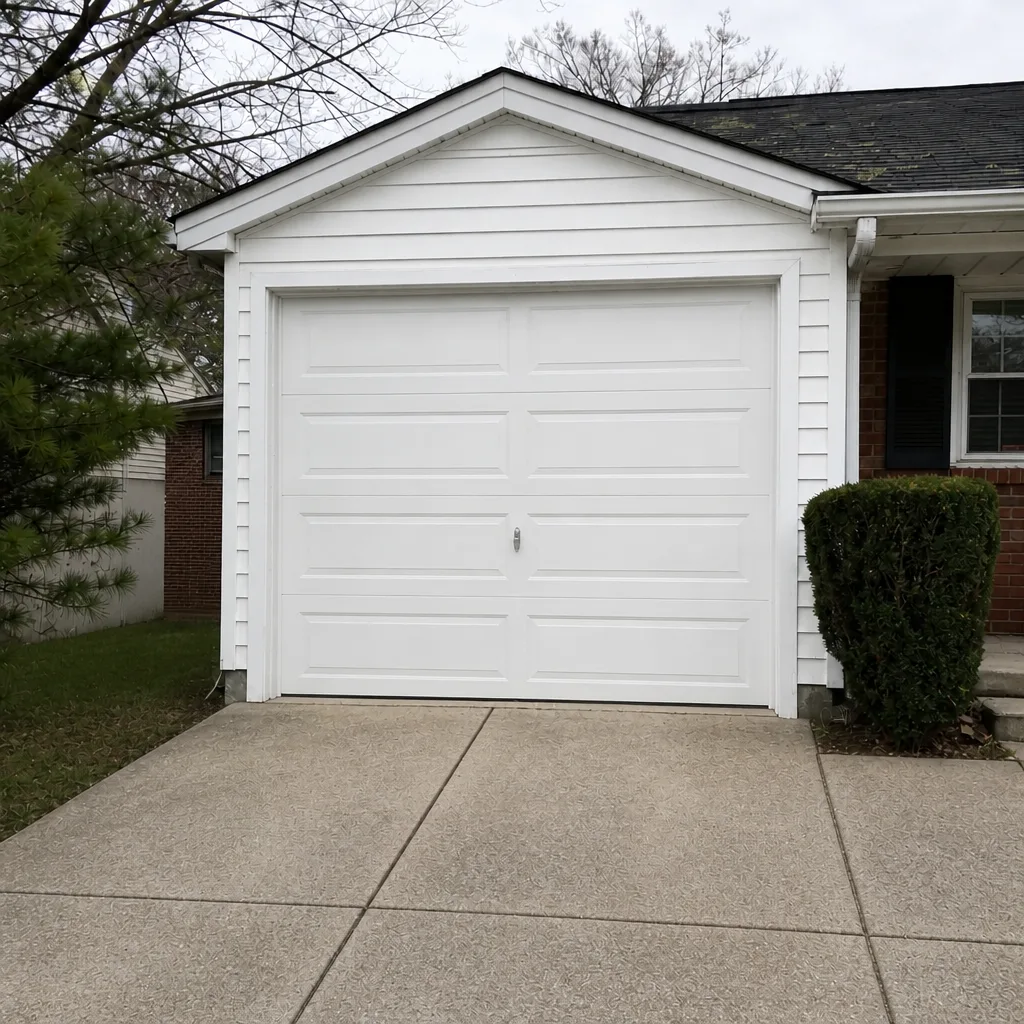 After
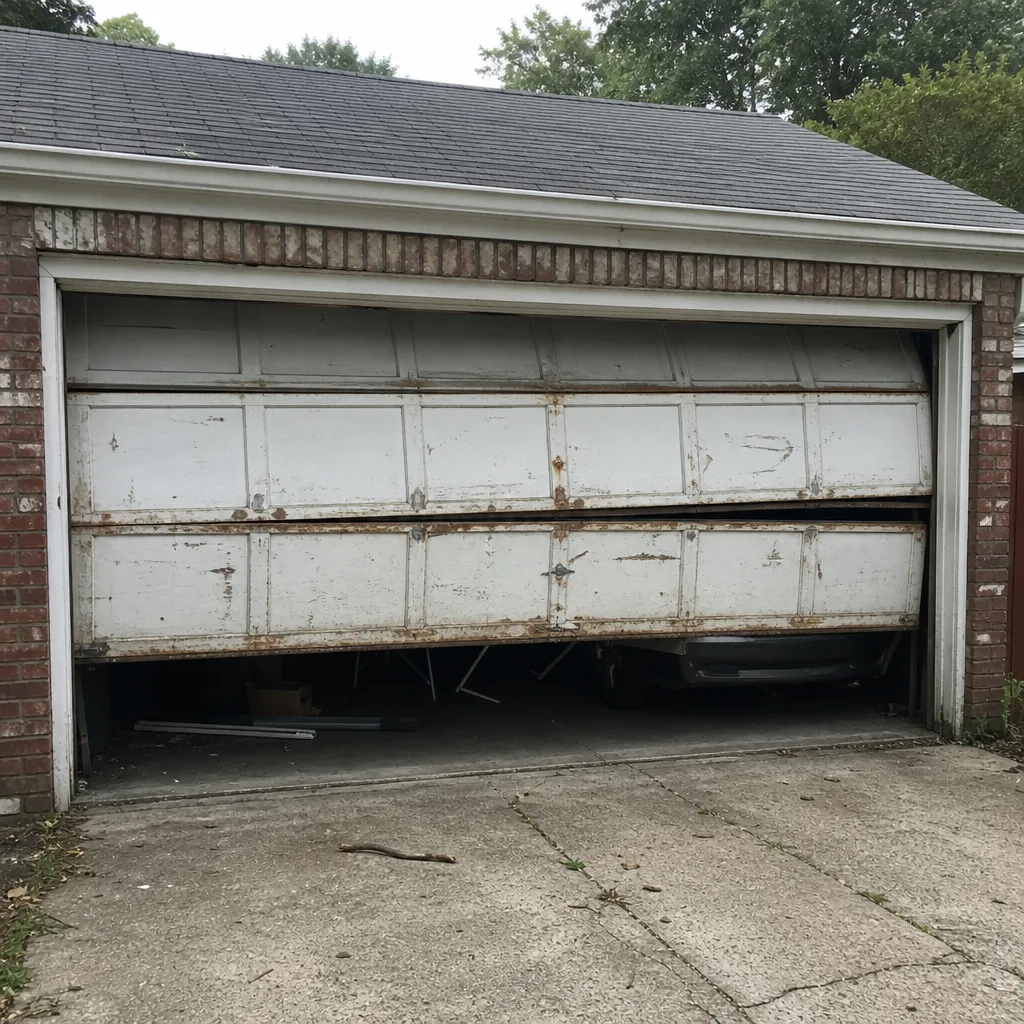 Before
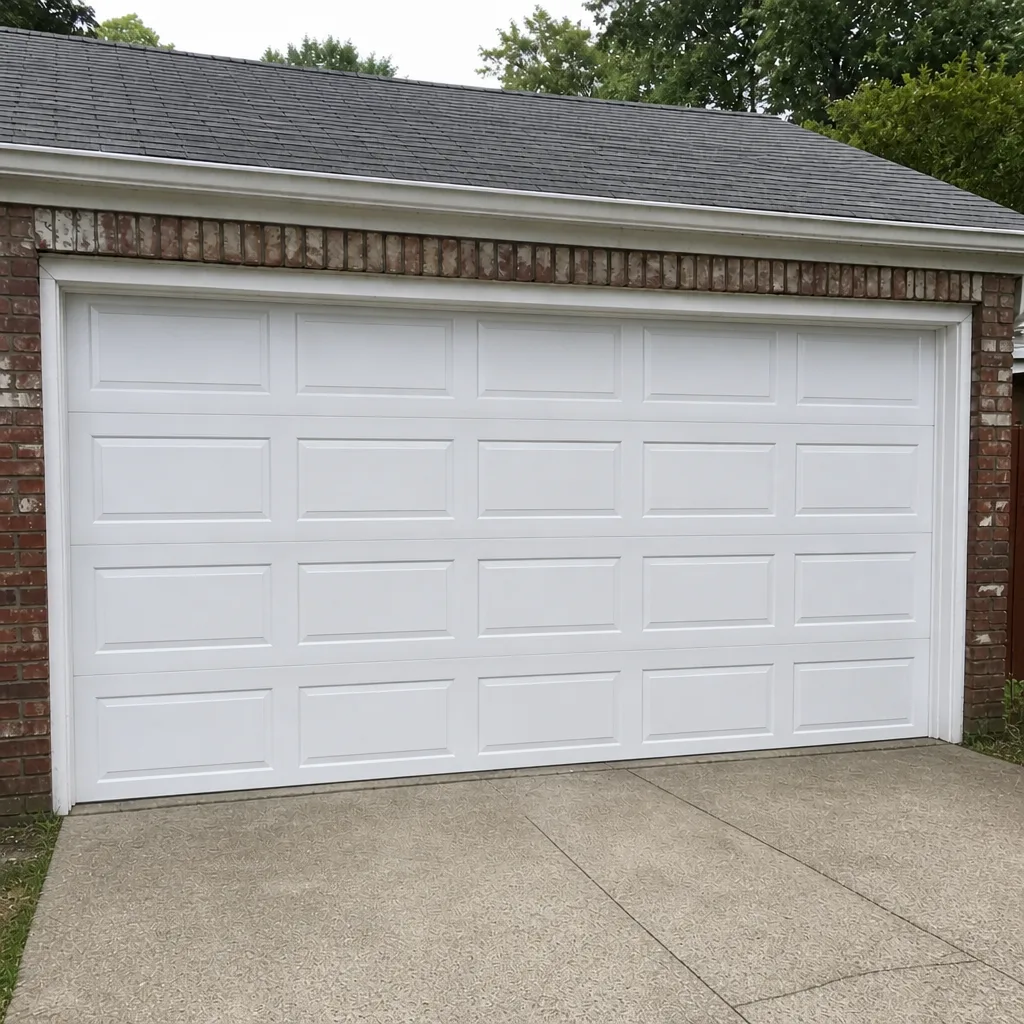 After
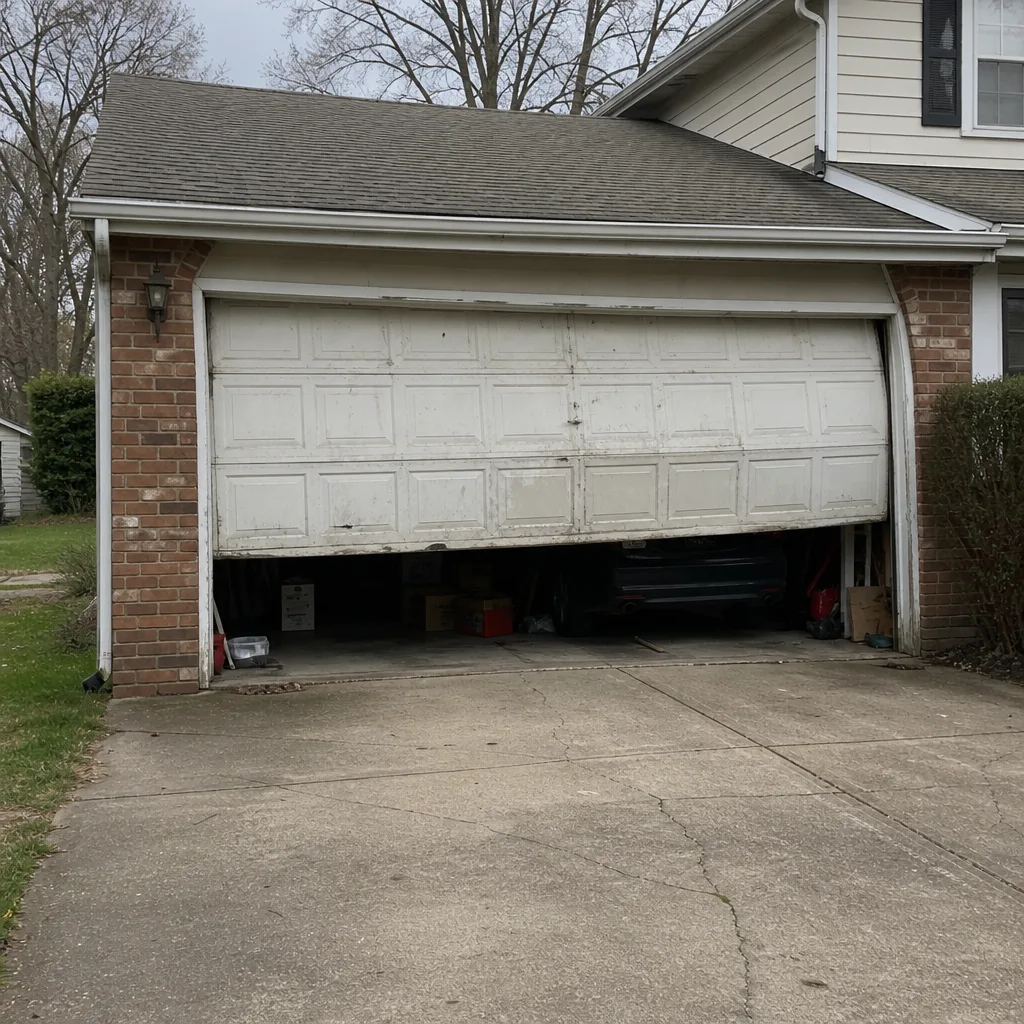 Before
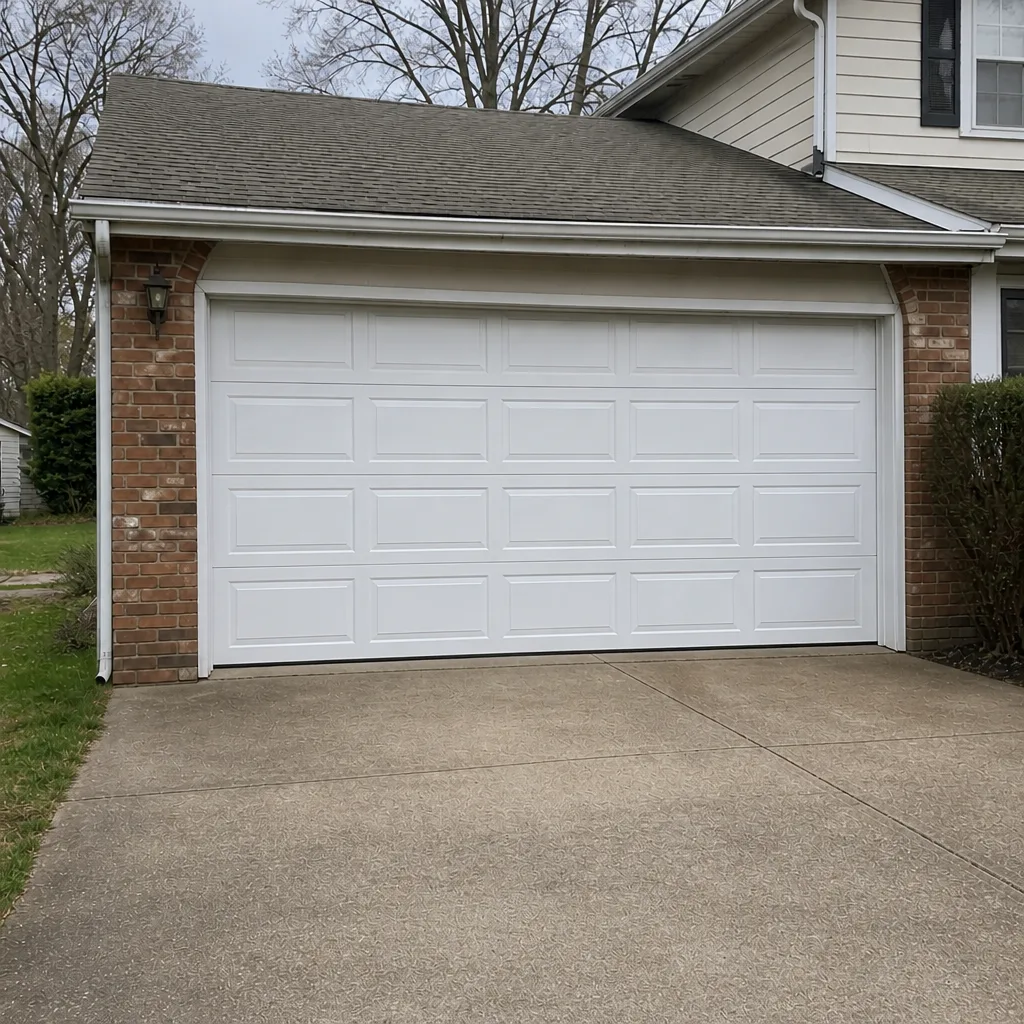 After
When to Call a Professional
Call a professional when a spring has snapped and the door won’t lift, when the door is hanging off its track or stuck open and the house is exposed, or when a cable has frayed to the point of failure. Those are emergency situations and shouldn’t wait. Call when the door is noisy or jerky if it’s been months and it’s getting worse, because worn hardware wears the rest faster. Call before replacing a door so the measure and the estimate are right the first time. Forest Hill Garage Door Repair offers free estimates in Forest Hill, and our technicians have up to 13 years of experience. Call (877) 492-2570.
Frequently Asked Questions
A heavier-gauge steel door with a good factory finish is the practical choice for most Forest Hill homes because it handles the humidity and freeze-thaw cycle with less upkeep. A wood composite is the better pick over real wood if you want the wood look without annual sealing. Real wood can work, but it needs ongoing maintenance in this climate, and aluminum suits larger openings where weight matters.
If a single panel is damaged and the rest of the door is structurally sound, a panel swap is often possible and worth pricing. If multiple sections are damaged, the door is wood and rotting, or the mechanism is past repair, a full replacement is usually the honest answer. It comes down to what a technician finds on site, not a guess over the phone.
We work on openers from LiftMaster, Chamberlain, Genie, and Craftsman, both legacy and smart systems. If you’re unsure what you have, read the brand off the unit and tell us when you call. We’ll tell you straight whether it’s a fit.
If the opener only needs a part, repairing it is usually the cheaper route and a good option. If you want app control, alerts, or a quieter belt drive, an upgrade makes sense when the old unit is failing. Since the opener and door are matched, that’s a good time to consider both together.
A hardware overhaul replaces the moving parts, such as rollers, hinges, cables, and track, on a door whose panels are still sound. A full replacement puts in a new door and mechanism. A hardware overhaul is right when the door is structurally fine; a full replacement is right when the door itself is wearing out or damaged beyond a section swap.
We offer same-day and emergency service for doors that are stuck, hanging, or stuck open, because that’s a safety and security problem now. Call (877) 492-2570 and describe what’s happening. We’re closed on Saturdays; a weekend failure gets booked for Sunday.
The Bottom Line
Choosing a garage door in Forest Hill is a decision about climate, sizing, and the right part, not just a brand name. Heavier-gauge steel or a wood composite suits this region best; the measure decides what fits; and the quote is worth reading line by line so you compare the same job to the same job. Repair the mechanical parts when the door is sound, and replace when it isn’t. The one number that matters is the written estimate, agreed before any work starts. When you’re ready, a free measure turns all of this into a real price.
Have a door that’s stuck, noisy, or due for an upgrade? Call Forest Hill Garage Door Repair at (877) 492-2570 for a free estimate.
Written by the team at Forest Hill Garage Door Repair.